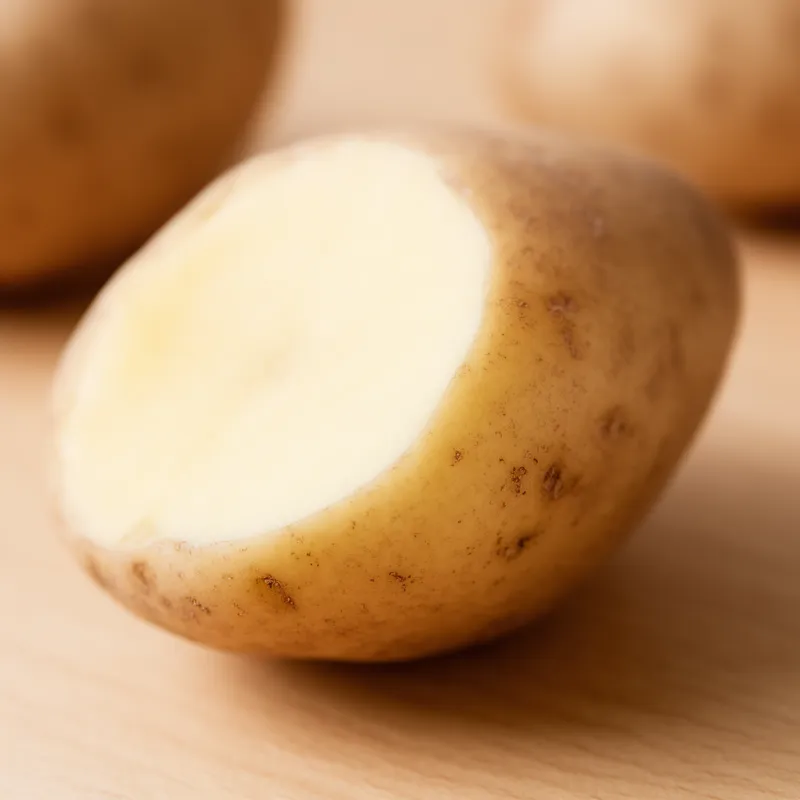
 84 kcal
 P 2.27g C 17.8g F 0.36g
A natural cabbage-turnip hybrid whose bitter, earthy flavor comes from the same sulfur compounds found in mustard.
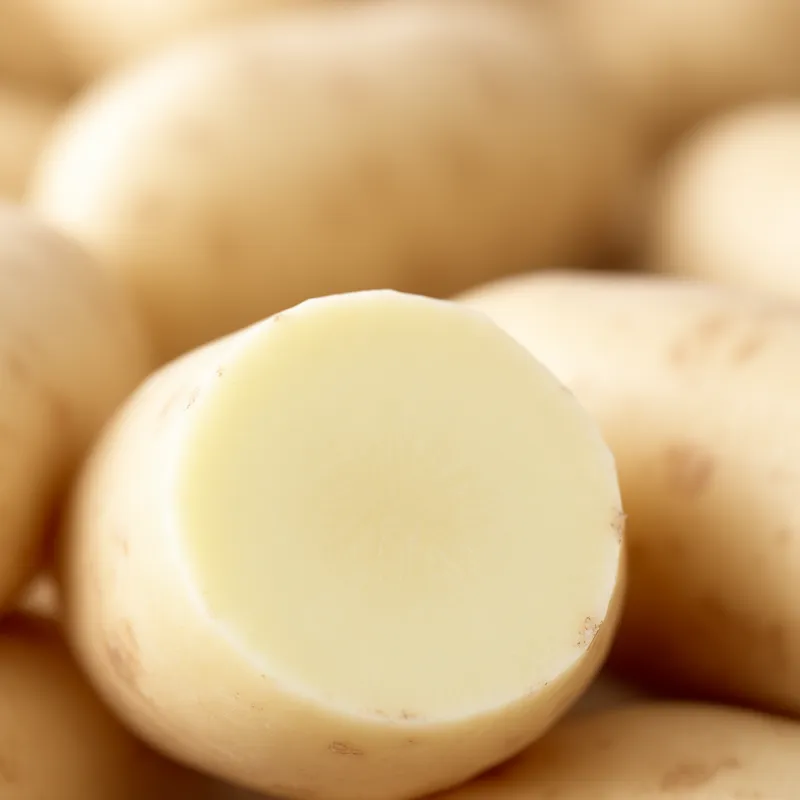
The rutabaga is not simply a large turnip but a distinct hybrid species, a natural cross between a cabbage and a turnip that first appeared in Europe during the 17th century. Botanically known as Brassica napus, it is an allotetraploid, meaning it contains the complete chromosome sets of both parent species, which accounts for its larger size and vigorous growth. The vegetable's characteristic earthy, slightly bitter flavor comes from glucosinolates, sulfur-containing compounds that break down into isothiocyanates and goitrin when the plant's cells are damaged by chewing or cooking. These same compounds are responsible for the sharp taste of mustard and horseradish. In the United Kingdom and many Commonwealth nations, the vegetable is called a 'swede,' a nod to its Swedish origins. During World War II, rutabagas became a vital survival crop in occupied and war-torn Europe, as they thrived in poor soil and cold climates where other crops failed. Because it was often the only available food during harsh winters, many older Europeans developed a lasting aversion to it, associating the root with wartime hardship despite its excellent nutritional profile and culinary versatility.
Rutabaga's dense, waxy flesh requires longer cooking times than potatoes but rewards you with a deeply savory, sweet flavor. For a classic mash, boil equal parts peeled rutabaga and russet potatoes until fork-tender, then blend with unsalted butter for a creamy, lower-carbohydrate side dish. You can also cut rutabaga into uniform cubes and roast it with carrots at 400°F (200°C) until caramelized; the natural sugars concentrate, balancing its inherent bitterness. Store unpeeled rutabagas in a cool, dark place for up to a month.
Per 100g — daily values based on a 2,000 calorie diet
CalRay's AI recognizes rutabaga and hundreds of thousands of other foods from a photo. No manual lookup needed.
Rutabaga, peeled contains 4 calories per 100g. A standard serving of 1 RACC (85g) provides 3 calories. It is considered a very low-calorie food (under 50 kcal/100g), making it excellent for weight management.
Rutabaga, peeled provides 0.89g of protein per 100g, which is 2% of the 50g daily recommended value. It is not a primary protein source.
Rutabaga, peeled contains 0g of carbohydrates per 100g . It also provides 2.9g of dietary fiber.
Yes! Rutabaga, peeled is very low in calories (4 kcal/100g) and can be eaten in generous portions even on a calorie-restricted diet.
The easiest way to track rutabaga is with CalRay. Simply snap a photo of your meal and the AI will automatically identify the food and calculate calories and macros based on the estimated portion size — no manual lookup required. You can also search by name and adjust gram weight manually.
84 kcal 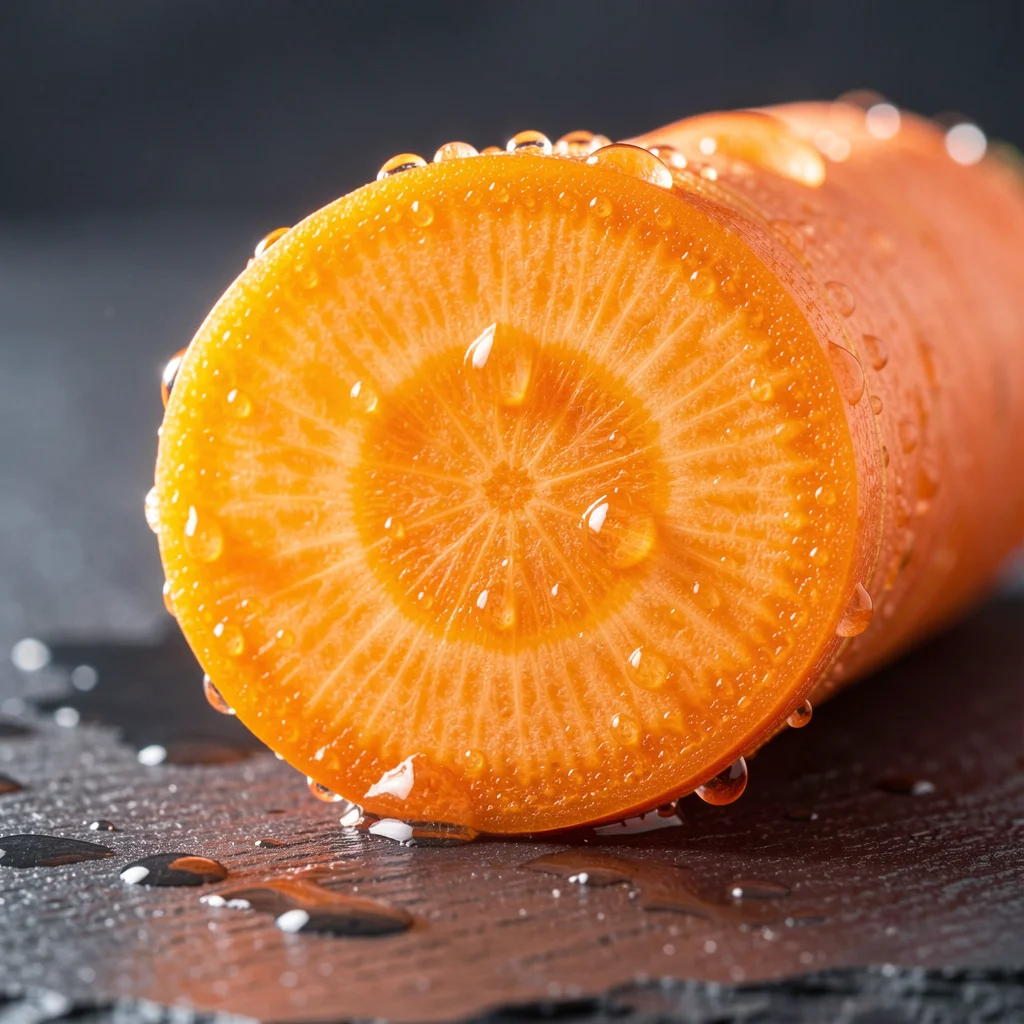 48 kcal
 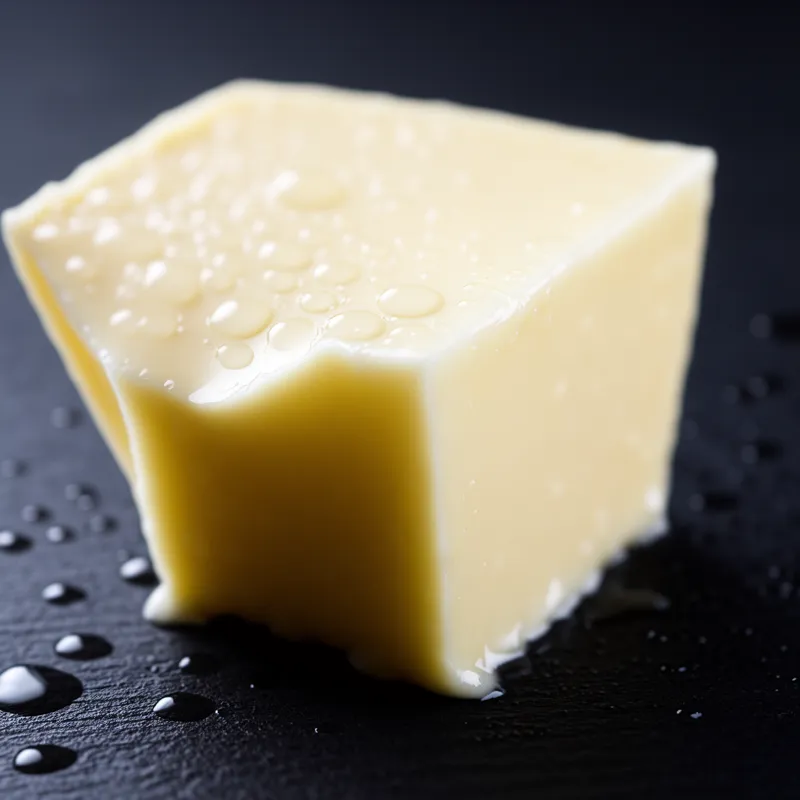 734 kcal