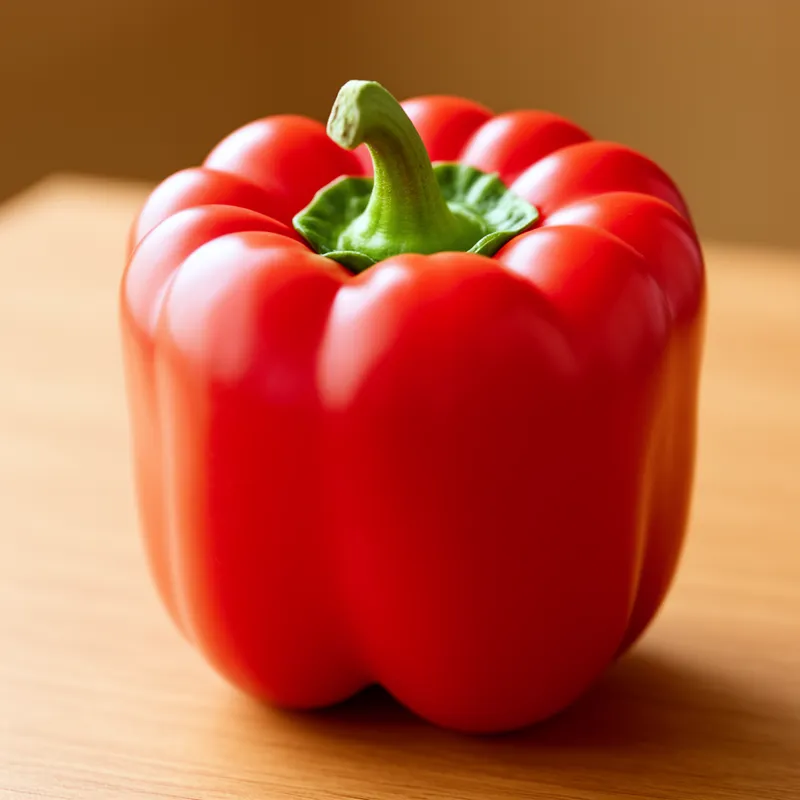
 31 kcal
 P 0.9g C 6.65g F 0.13g
Black rice owes its striking dark pigment to the same antioxidant compounds found in blueberries and blackberries.
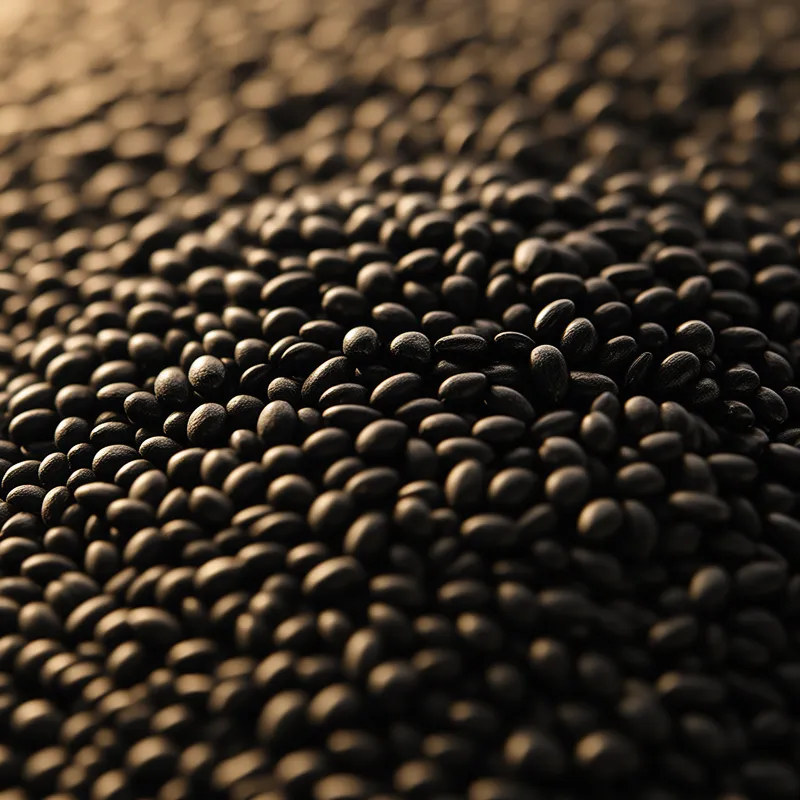
Black rice, often called "forbidden rice" in ancient China, was historically reserved for royalty and the elite, but its true value lies in its biochemistry. The deep purple-black hue of the grain comes from a high concentration of anthocyanins, water-soluble pigments that also give blackberries and blueberries their colors. These compounds are located in the bran layer of the rice, meaning the grain retains its bran and germ, unlike white rice. Anthocyanins are potent antioxidants that scavenge free radicals in the body. When cooked, the pigment leaches into the water, turning it a dramatic deep purple. Because the bran is intact, black rice takes longer to cook than white rice and requires more water, but it delivers significantly more fiber, iron, and protein per serving. The specific anthocyanin profile in black rice is primarily composed of cyanidin-3-glucoside, which has been studied for its potential anti-inflammatory and cardioprotective properties.
Rinse black rice thoroughly under cold water until the water runs mostly clear to remove excess surface starch. Cook it using a 1 to 1.5 or 1 to 2 rice-to-water ratio, simmering covered for about 30 to 40 minutes until the grains are tender but still have a slight chew. Let it rest off the heat for 10 minutes before fluffing. Its nutty, slightly sweet flavor and striking color make it an excellent base for grain bowls paired with vitamin C-rich vegetables like bell peppers, which enhance the absorption of the iron naturally present in the bran.
Per 100g — daily values based on a 2,000 calorie diet
CalRay's AI recognizes rice and hundreds of thousands of other foods from a photo. No manual lookup needed.
Rice, black, unenriched contains 370 calories per 100g. A standard serving of 1 RACC (45g) provides 167 calories. It is relatively calorie-dense, so portion control is important.
Rice, black, unenriched provides 7.57g of protein per 100g, which is 15% of the 50g daily recommended value. It is not a primary protein source.
Rice, black, unenriched contains 77.2g of carbohydrates per 100g . It also provides 4.18g of dietary fiber.
Rice, black, unenriched has 370 kcal per 100g, so portions need to be monitored on a weight-loss diet. Use CalRay to track your intake accurately. Its fiber content (4.18g/100g) also promotes fullness.
The easiest way to track rice is with CalRay. Simply snap a photo of your meal and the AI will automatically identify the food and calculate calories and macros based on the estimated portion size — no manual lookup required. You can also search by name and adjust gram weight manually.
31 kcal  35 kcal
  107 kcal