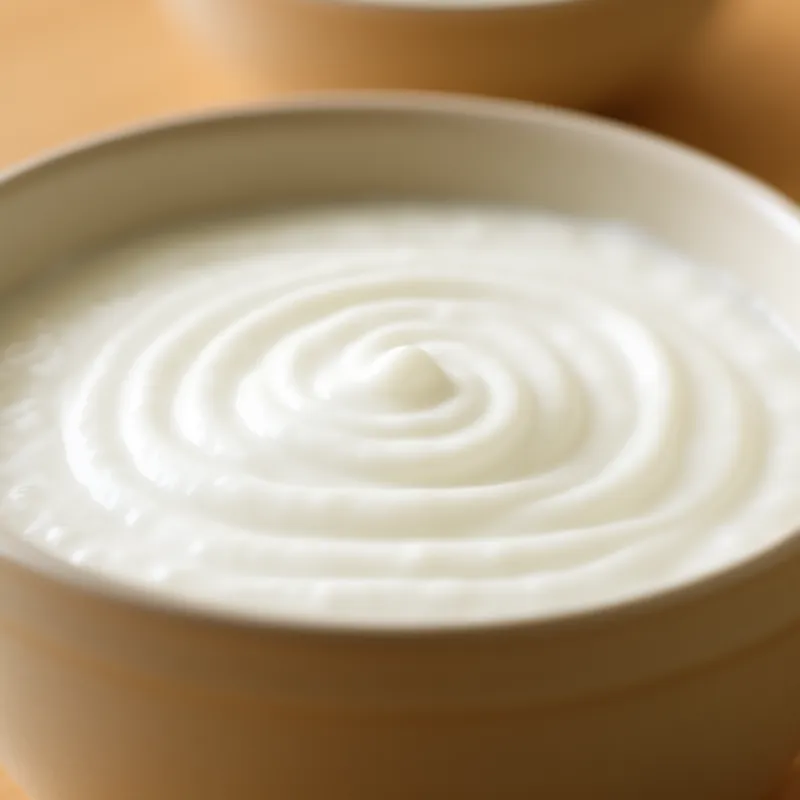
 61 kcal
 P 10.3g C 3.64g F 0.37g
Black plums owe their deep skin color to anthocyanins that act as a natural sunscreen for the fruit's flesh.
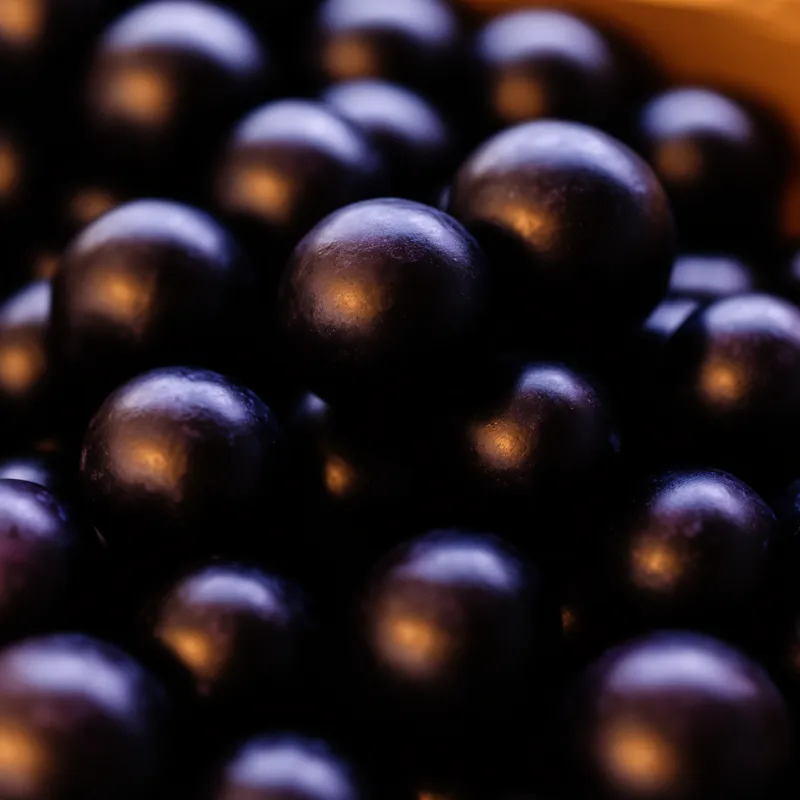
Black plums are distinct from European prune plums, typically belonging to Japanese plum varieties (Prunus salicina) which were introduced to the United States in the late 19th century by horticulturist Luther Burbank. Burbank sought to create plums that could thrive in varied climates, leading to the diverse array of dark-skinned cultivars we see today. The striking, almost black-purple hue of the skin comes from a high concentration of anthocyanins, water-soluble vacuolar pigments that change color depending on the pH of the plant tissue. In the acidic environment of the plum skin, these pigments appear dark red to purple. Interestingly, these anthocyanins serve a protective function for the fruit, absorbing ultraviolet light and acting as a natural sunscreen to prevent radiation damage to the delicate flesh and seeds inside. The flesh itself, often amber or red, contains sorbitol, a sugar alcohol that gives plums their characteristic sweetness but can also draw water into the intestines, which is why eating too many at once can have a laxative effect. This combination of UV-protective pigments and unique sugar chemistry makes the black plum a fascinating botanical adaptation.
Black plums are best enjoyed fresh at room temperature to maximize their sweet aroma, but they also roast beautifully. Halve and pit them, then roast with a drizzle of olive oil and a sprinkle of thyme; the heat caramelizes their natural sugars and breaks down the tart skin. Pair roasted plums with Greek yogurt or cottage cheese—the protein and fat in the dairy slow the absorption of the plum's carbohydrates, preventing rapid blood sugar spikes. If they are underripe, store them in a paper bag at room temperature to trap ethylene gas and accelerate ripening.
Per 100g — daily values based on a 2,000 calorie diet
CalRay's AI recognizes plum and hundreds of thousands of other foods from a photo. No manual lookup needed.
Plum, black contains 59 calories per 100g. A standard serving of 1 RACC (140g) provides 83 calories. It is a moderate-calorie food that can fit into most healthy diets.
Plum, black provides 0.58g of protein per 100g, which is 1% of the 50g daily recommended value. It is not a primary protein source.
Plum, black contains 13.5g of carbohydrates per 100g . It also provides 1.35g of dietary fiber.
Plum, black has 59 kcal per 100g, which is relatively moderate. It can fit into a weight-loss diet as long as portion sizes are managed.
The easiest way to track plum is with CalRay. Simply snap a photo of your meal and the AI will automatically identify the food and calculate calories and macros based on the estimated portion size — no manual lookup required. You can also search by name and adjust gram weight manually.
61 kcal 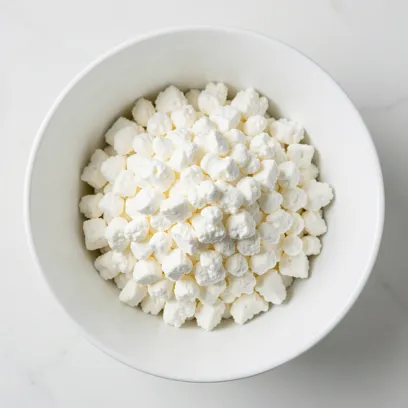 84 kcal
 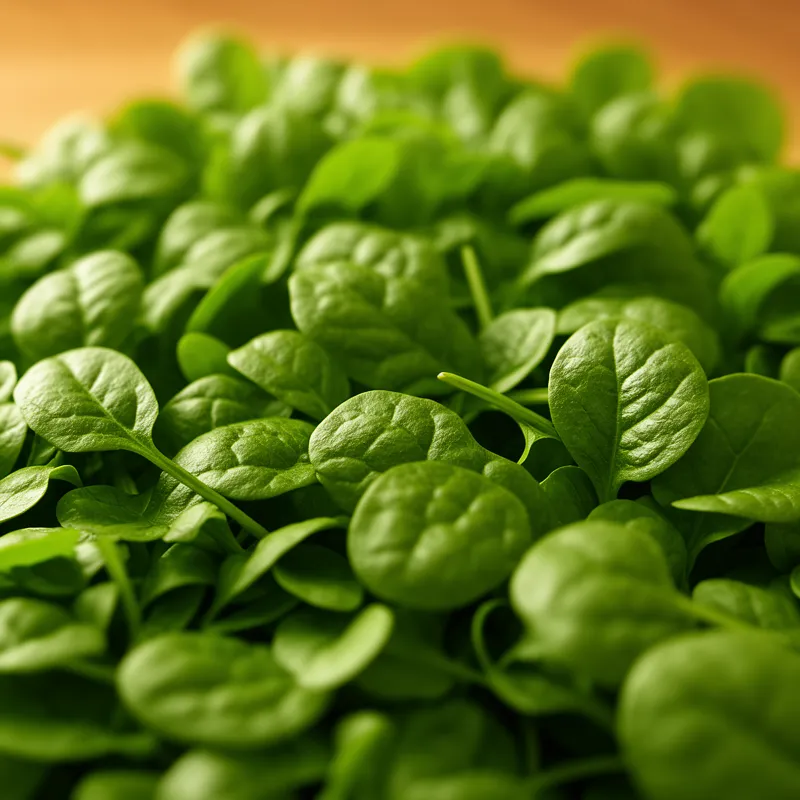 27 kcal