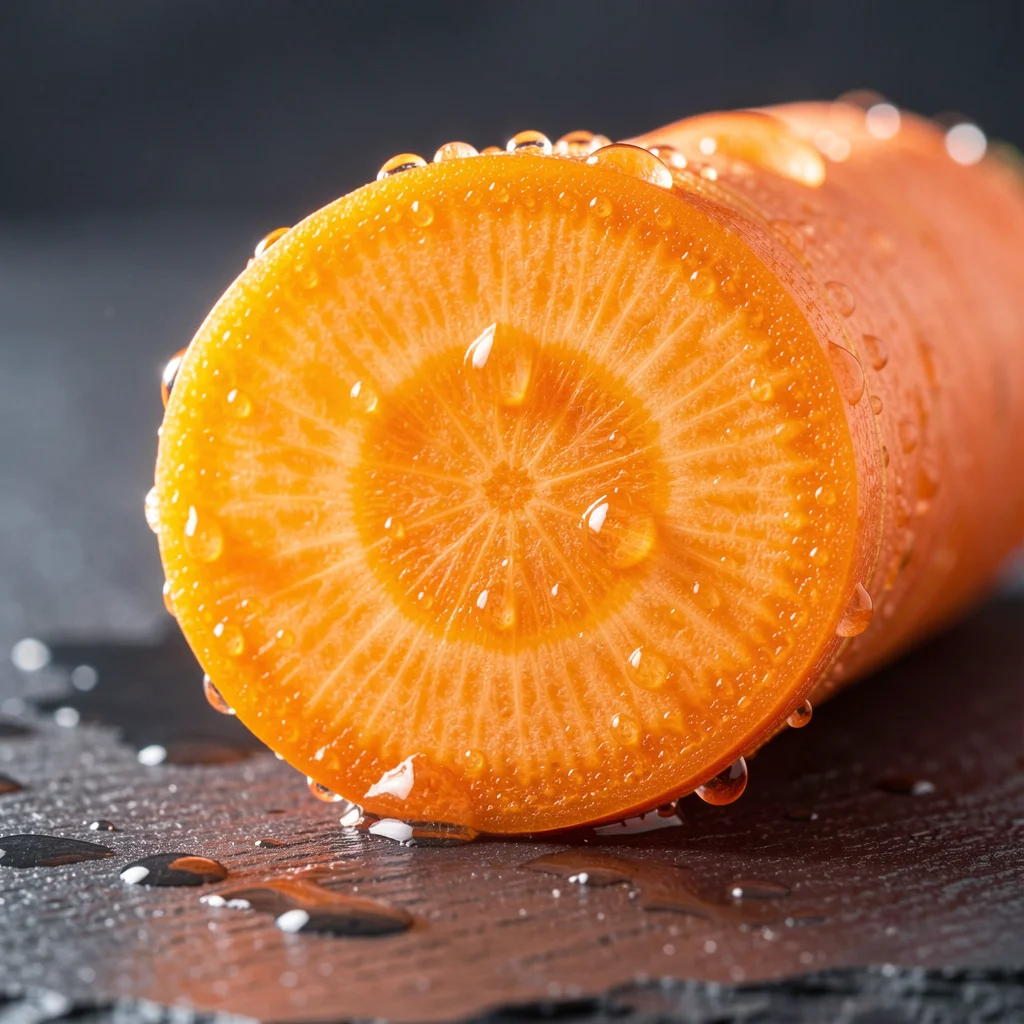
 48 kcal
 P 0.94g C 10.3g F 0.35g
These pale roots were medieval Europe's go-to sweetener—until cane sugar arrived and demoted them to a side dish.
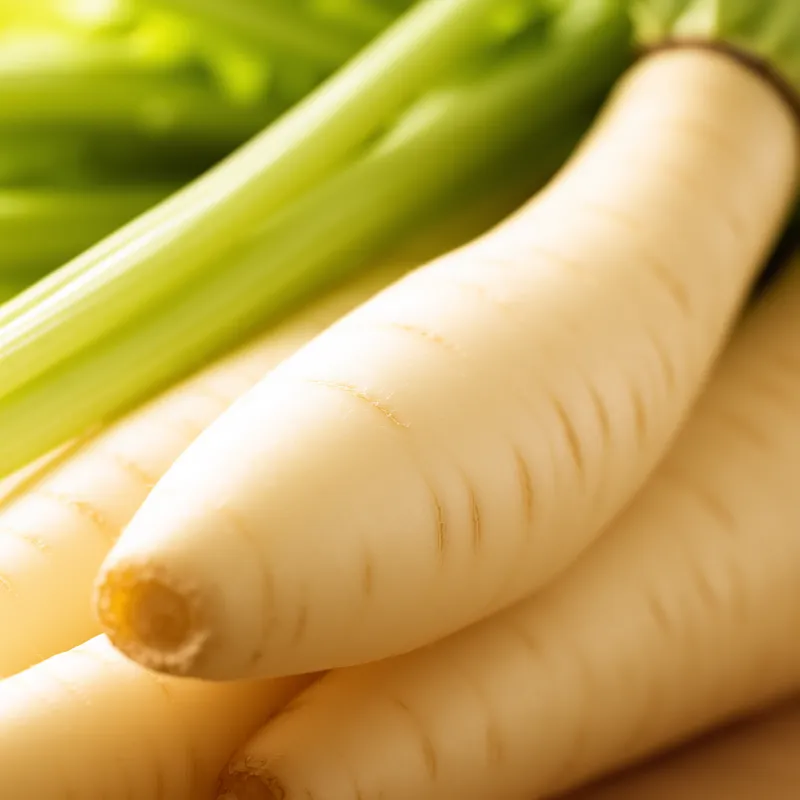
Before cane sugar became widely available in northern Europe, parsnips served as a primary sweetening agent in cakes, jams, and breads. The root's natural sweetness—about 4.8 grams of sugar per 100 grams—intensifies dramatically after the first hard frost. Cold soil triggers the conversion of stored starches into simple sugars through enzymatic action, a survival mechanism that lowers the freezing point of the root's cellular fluid. This is why traditional harvest guidance recommends leaving parsnips in the ground through late autumn rather than pulling them early. Parsnips belong to the Apiaceae family alongside carrots, celery, and parsley, and they carry furanocoumarins—phototoxic compounds concentrated in their leaves and outer skin that can cause phytophotodermatitis, a skin reaction triggered when contact with the plant is followed by UV exposure. Field workers handling parsnips on sunny days without gloves can develop blistering rashes that mimic severe sunburn. The compounds serve as a natural defense against herbivorous insects. Despite this, the edible root is perfectly safe once cooked or peeled, and the furanocoumarin content in the flesh is negligible compared to the foliage.
Roast peeled parsnips at 400°F with olive oil and salt—dry heat caramelizes their sugars far better than boiling, which leaches flavor into water. Older, woody roots benefit from having the fibrous core removed: halve lengthwise and pry out the tough center before cooking. Store unwashed parsnips in a perforated bag in the crisper for up to three weeks; excess moisture causes softening and rot. Pair with carrots and butter for a mash that balances parsnip sweetness with earthy depth and aids absorption of fat-soluble vitamins.
Per 100g — daily values based on a 2,000 calorie diet
CalRay's AI recognizes parsnips and hundreds of thousands of other foods from a photo. No manual lookup needed.
Parsnips contains 87 calories per 100g. It is a moderate-calorie food that can fit into most healthy diets.
Parsnips provides 1.27g of protein per 100g, which is 3% of the 50g daily recommended value. It is not a primary protein source.
Parsnips contains 19.3g of carbohydrates per 100g . It also provides 5.35g of dietary fiber.
Parsnips has 87 kcal per 100g, which is relatively moderate. It can fit into a weight-loss diet as long as portion sizes are managed. Its fiber content (5.35g/100g) also promotes fullness.
The easiest way to track parsnips is with CalRay. Simply snap a photo of your meal and the AI will automatically identify the food and calculate calories and macros based on the estimated portion size — no manual lookup required. You can also search by name and adjust gram weight manually.
48 kcal 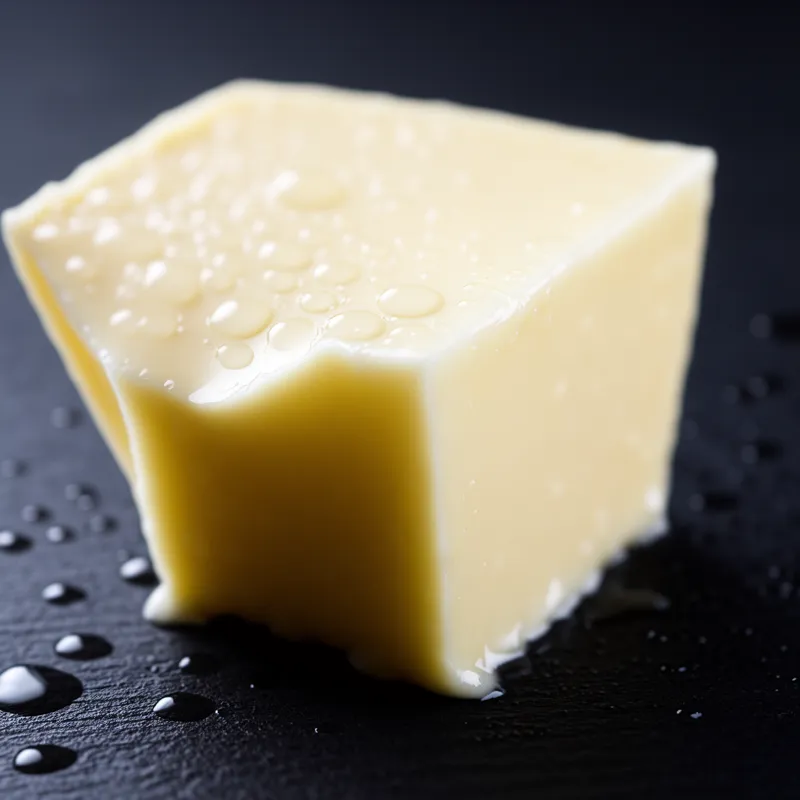 734 kcal
 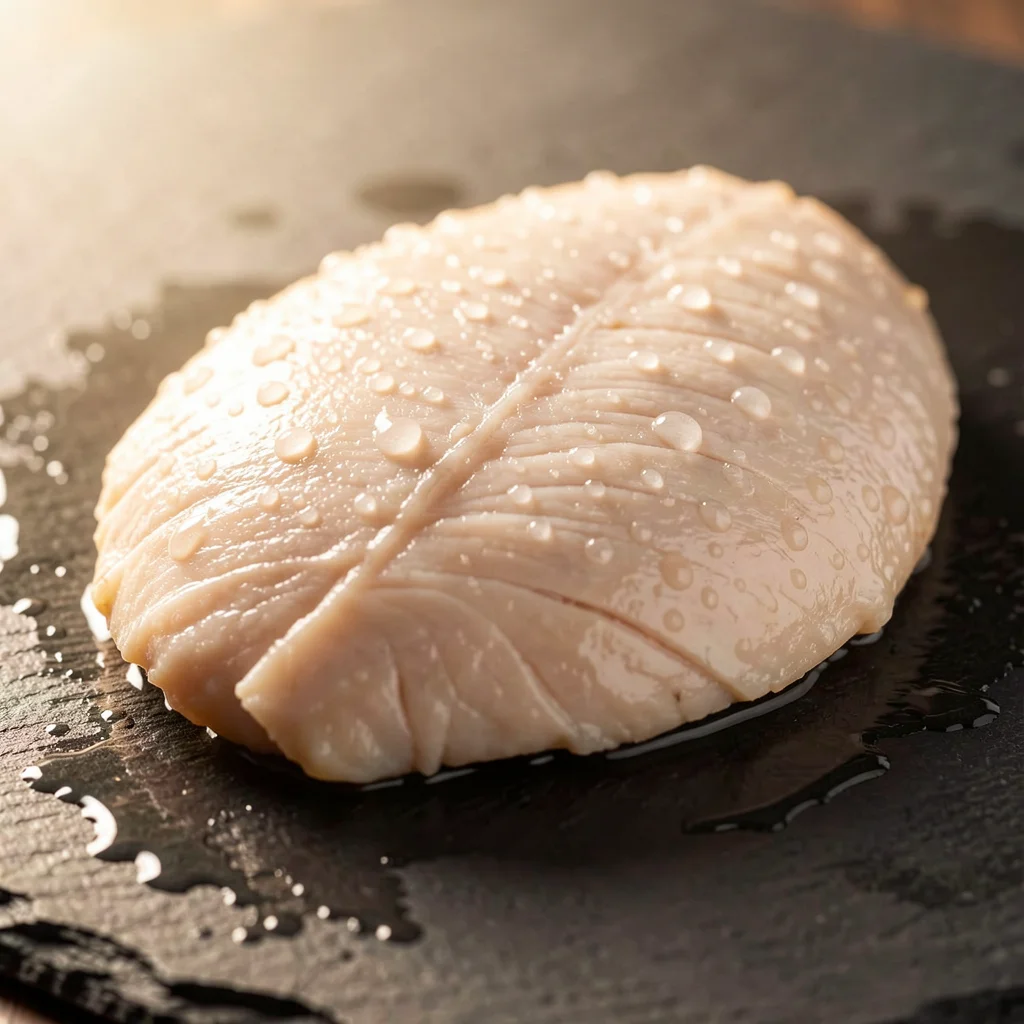 166 kcal