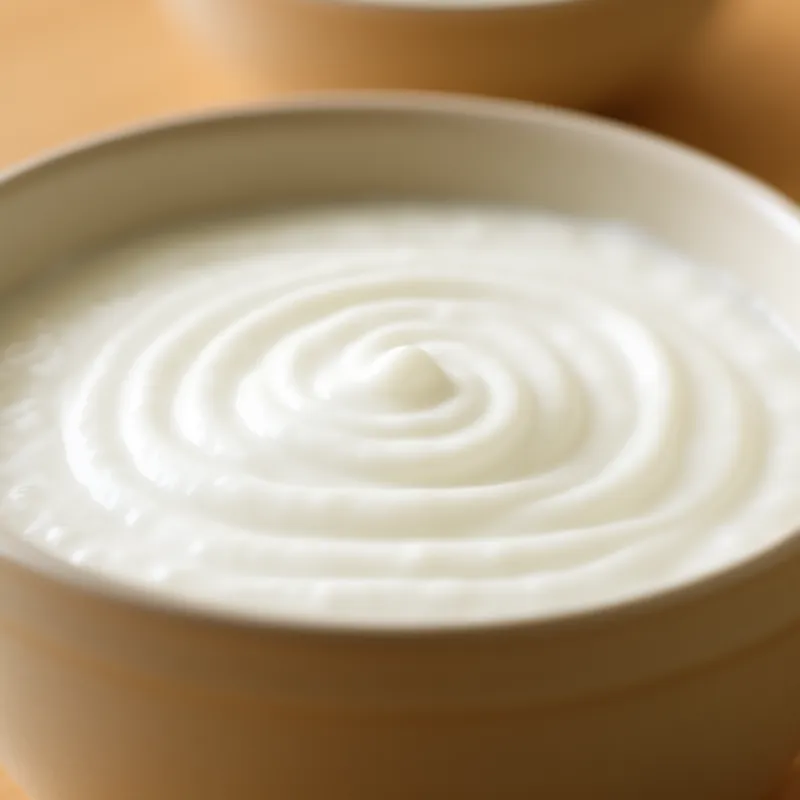
 61 kcal
 P 10.3g C 3.64g F 0.37g
Reconstituted from evaporated syrup, this juice relies on captured aroma essences to mimic the flavor of fresh-squeezed fruit.
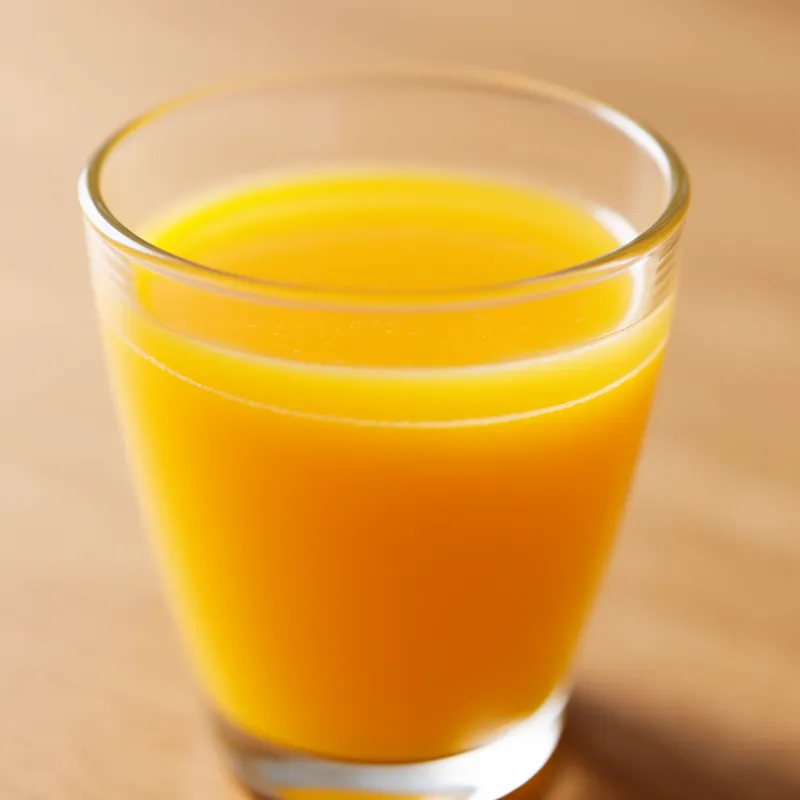
The process of making orange juice from concentrate was revolutionized in the 1940s by USDA scientists who developed vacuum evaporation to reduce shipping weight. During this process, freshly extracted juice is heated under a vacuum to evaporate roughly 80% of its water content. However, this heat also drives off the delicate volatile compounds—esters, aldehydes, and terpenes—responsible for the fruit's bright, fresh aroma. To prevent the reconstituted juice from tasting flat, modern facilities use essence recovery systems to capture these evaporated aromas and blend them back into the liquid after the water is restored. Stripping out the pulp further removes the structural pectins and dietary fiber found in whole oranges, leaving a solution of water, natural sugars, and citric acid. Because this specific variety is not fortified, its vitamin C content depends entirely on what survives the initial pasteurization and evaporation, meaning some oxidative degradation of ascorbic acid is inevitable before it reaches the glass.
Because this juice lacks fiber and is not fortified, pairing it with a protein or fat slows the absorption of its natural sugars, preventing rapid blood sugar spikes. Use it as a marinade base for poultry or fish, where the citric acid helps tenderize proteins, or drink it alongside a protein-rich breakfast like Greek yogurt. Store reconstituted juice in the refrigerator in a tightly sealed container to minimize further oxidation of its remaining vitamin C, and consume within a week of opening.
Per 100g — daily values based on a 2,000 calorie diet
CalRay's AI recognizes orange juice and hundreds of thousands of other foods from a photo. No manual lookup needed.
Orange juice, no pulp, not fortified, from concentrate contains 47 calories per 100g. It is considered a very low-calorie food (under 50 kcal/100g), making it excellent for weight management.
Orange juice, no pulp, not fortified, from concentrate provides 0.73g of protein per 100g, which is 1% of the 50g daily recommended value. It is not a primary protein source.
Orange juice, no pulp, not fortified, from concentrate contains 10.3g of carbohydrates per 100g .
Yes! Orange juice, no pulp, not fortified, from concentrate is very low in calories (47 kcal/100g) and can be eaten in generous portions even on a calorie-restricted diet.
The easiest way to track orange juice is with CalRay. Simply snap a photo of your meal and the AI will automatically identify the food and calculate calories and macros based on the estimated portion size — no manual lookup required. You can also search by name and adjust gram weight manually.
61 kcal 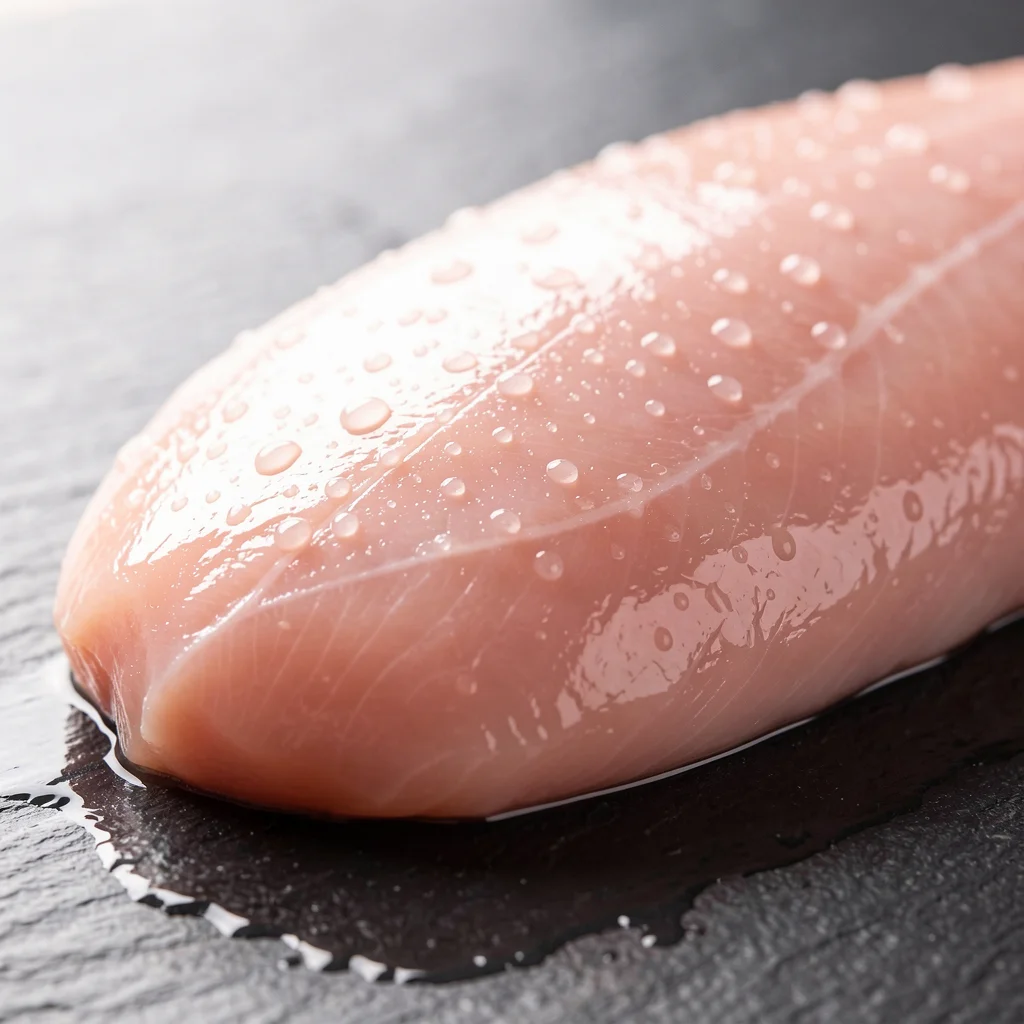 107 kcal
 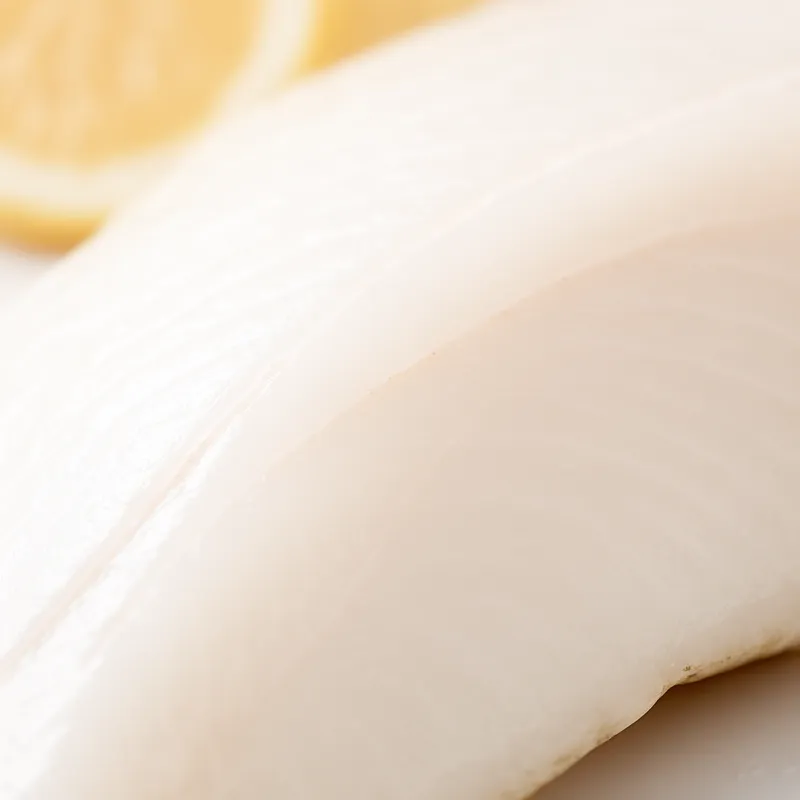 74 kcal