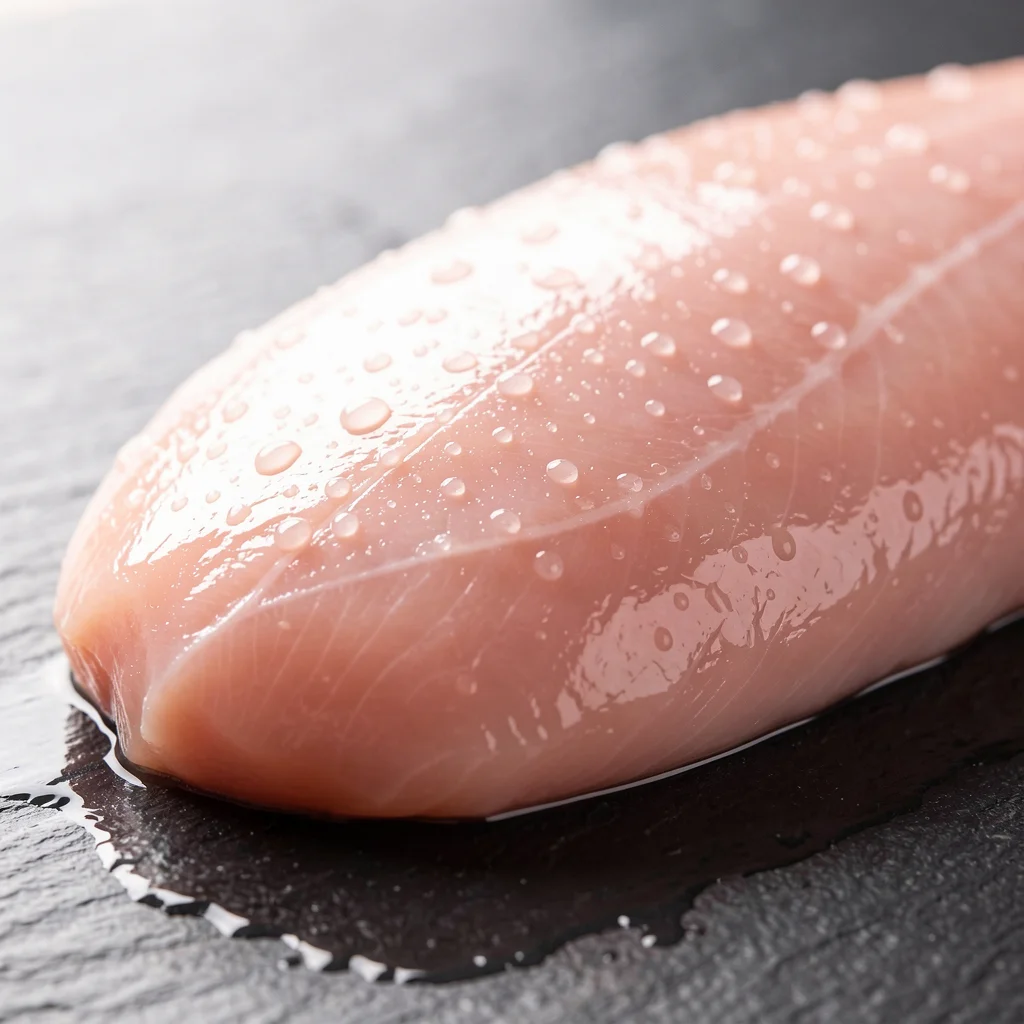
 107 kcal
 P 22.5g C 0g F 1.93g
Extracted from a plant once prized by ancient dyers for its vibrant pigments, this flavorless oil now serves as a heat-resistant workhorse in the kitchen.
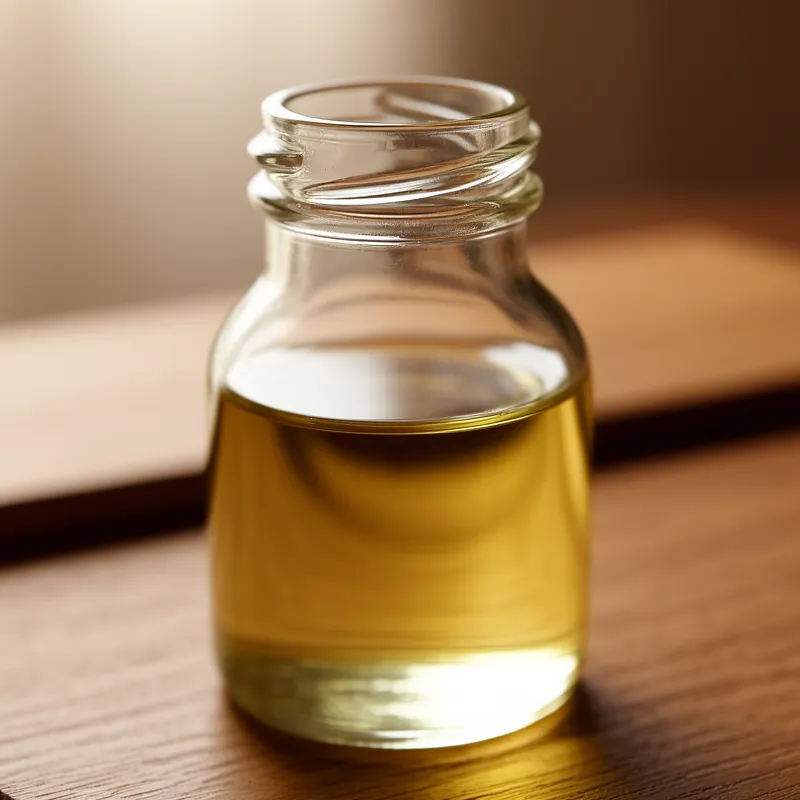
Safflower oil comes from the seeds of the safflower plant (Carthamus tinctorius), an ancient crop originally cultivated for its red and yellow dyes used in textiles and cosmetics. The oil is unique because it exists in two distinct fatty acid profiles: high-linoleic and high-oleic. High-oleic safflower oil is prized by chefs and food manufacturers because it is extremely stable at high temperatures, with a smoke point of around 510°F (265°C) for the unrefined variety, though refined versions typically reach about 450°F (232°C). Its high oleic acid content (a monounsaturated fat) makes it resistant to oxidation, meaning it doesn't break down into harmful compounds as quickly as oils with higher polyunsaturated fats when subjected to heat. Unlike many other cooking oils, safflower oil is virtually flavorless, which allows the natural taste of the ingredients to shine through without interference. Today, almost all safflower grown globally is harvested specifically for its oil rather than its pigment, marking a dramatic shift in the plant's agricultural purpose over the centuries.
Use high-oleic safflower oil for high-heat cooking methods like stir-frying, searing, or roasting, where its high smoke point and neutral flavor prevent it from burning or altering the taste of your dish. Store it in a cool, dark place to prevent rancidity, as even stable oils degrade over time. It also works well in vinaigrettes when you want the acidity of vinegar or citrus to take center stage rather than the oil's flavor.
Per 100g — daily values based on a 2,000 calorie diet
CalRay's AI recognizes oil and hundreds of thousands of other foods from a photo. No manual lookup needed.
Oil, safflower contains 884 calories per 100g. It is relatively calorie-dense, so portion control is important.
Oil, safflower provides 0g of protein per 100g, which is 0% of the 50g daily recommended value. It is not a primary protein source.
Oil, safflower contains 0g of carbohydrates per 100g .
Oil, safflower has 884 kcal per 100g, so portions need to be monitored on a weight-loss diet. Use CalRay to track your intake accurately.
The easiest way to track oil is with CalRay. Simply snap a photo of your meal and the AI will automatically identify the food and calculate calories and macros based on the estimated portion size — no manual lookup required. You can also search by name and adjust gram weight manually.
107 kcal 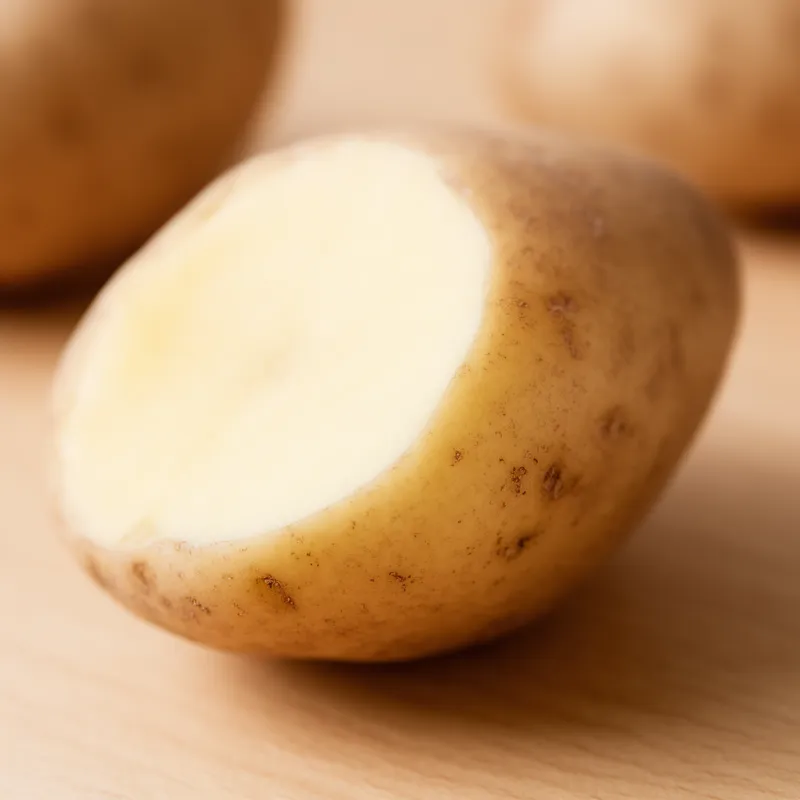 84 kcal
 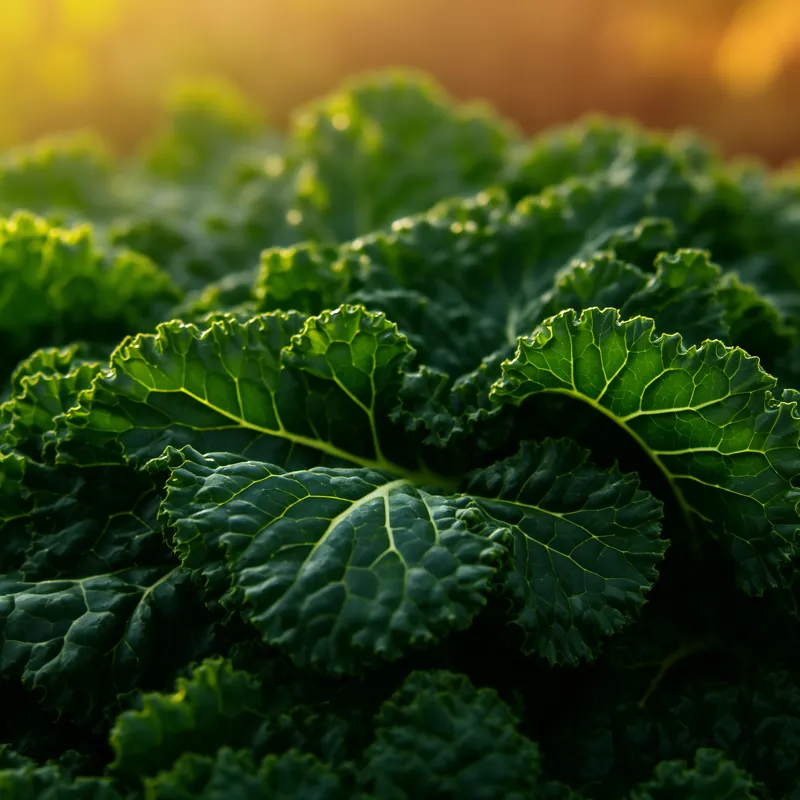 35 kcal