 148 kcal
 P 12.4g C 0.96g F 9.96g
This cascading white fungus produces compounds that cross the blood-brain barrier to stimulate nerve growth factor.
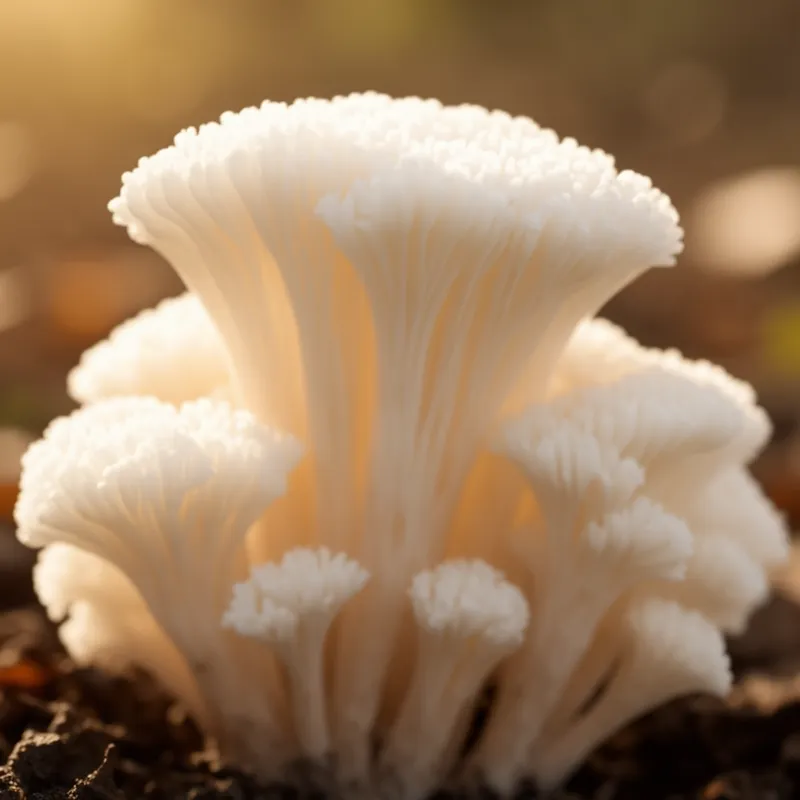
Lion's mane (Hericium erinaceus) is a medicinal and culinary mushroom easily identified by its cascading white spines rather than a traditional cap and gills. Unlike most mushrooms that reproduce via gills or pores, its spores develop on the surface of these tooth-like projections. In chemistry, it is renowned for producing two specific classes of compounds: hericenones (found in the fruiting body) and erinacines (found in the mycelium). Both have been shown in laboratory and animal models to cross the blood-brain barrier and stimulate the synthesis of Nerve Growth Factor (NGF), a protein essential for the growth, maintenance, and survival of neurons. This neurotrophic effect has driven extensive research into its potential for supporting cognitive function and memory. In the kitchen, its texture and flavor are surprisingly similar to crab or lobster meat when cooked, making it a popular seafood substitute in plant-based cooking. When foraged, it is typically found in late summer and fall on dead or dying hardwood trees, particularly oak, beech, and maple.
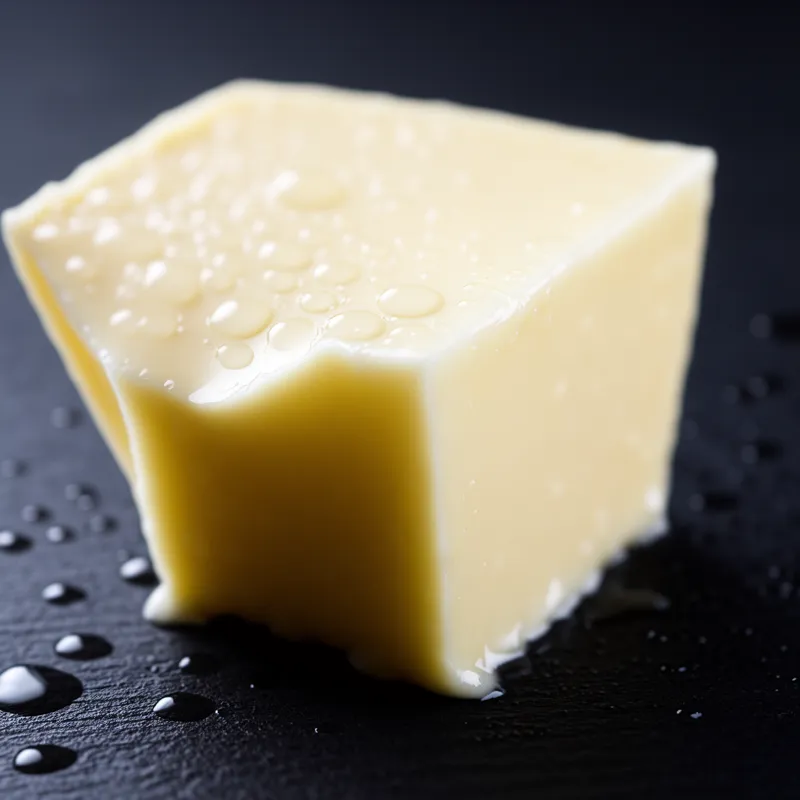
To maximize both flavor and nutrient absorption, tear lion's mane into chunks and dry-sauté in a hot pan without oil first; this evaporates surface moisture and encourages the Maillard reaction, deepening its savory umami profile. Once browned, add a small amount of fat like butter or olive oil to help absorb its fat-soluble compounds. It pairs exceptionally well with garlic and eggs, as the sulfur compounds in garlic complement its savory notes, while the protein in eggs rounds out the meal. Store fresh lion's mane in a paper bag in the refrigerator for up to a week to prevent moisture buildup and spoilage.
Per 100g — daily values based on a 2,000 calorie diet
CalRay's AI recognizes mushroom and hundreds of thousands of other foods from a photo. No manual lookup needed.
Mushroom, lion's mane contains 43 calories per 100g. A standard serving of 1 RACC (85g) provides 37 calories. It is considered a very low-calorie food (under 50 kcal/100g), making it excellent for weight management.
Mushroom, lion's mane provides 2.5g of protein per 100g, which is 5% of the 50g daily recommended value. It is not a primary protein source.
Mushroom, lion's mane contains 7.59g of carbohydrates per 100g . It also provides 4.38g of dietary fiber.
Yes! Mushroom, lion's mane is very low in calories (43 kcal/100g) and can be eaten in generous portions even on a calorie-restricted diet. Its fiber content (4.38g/100g) also promotes fullness.
The easiest way to track mushroom is with CalRay. Simply snap a photo of your meal and the AI will automatically identify the food and calculate calories and macros based on the estimated portion size — no manual lookup required. You can also search by name and adjust gram weight manually.
148 kcal 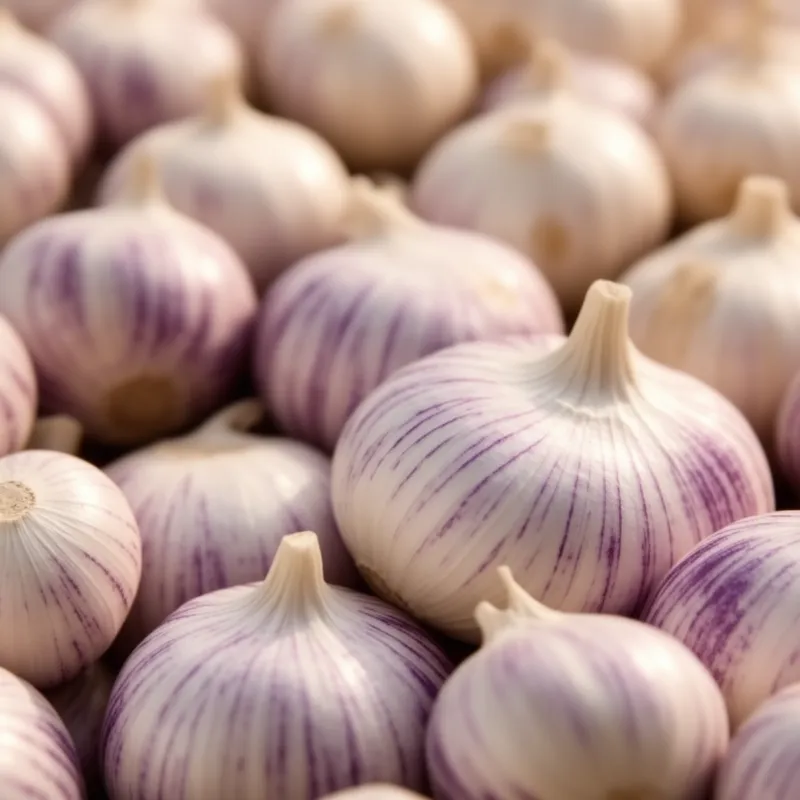 143 kcal
  734 kcal