 389 kcal
P 16.89g C 66.27g F 6.9g
Why whole, semi-skimmed and skim milk differ by fat, not much else
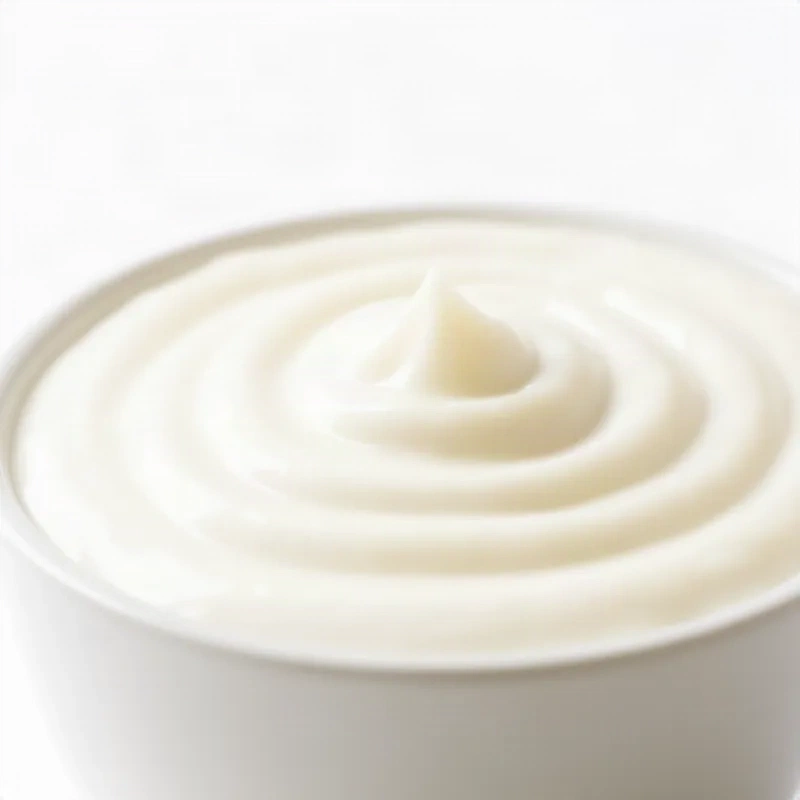
Milk is mostly water, so a cup is a modest 100 to 150 calories depending on fat. Whole milk carries about 3.25% fat, skim almost none, and the lower-fat versions are fortified so vitamin A and D levels stay similar. Protein and calcium are essentially the same across them, about 3.3 g protein per 100 g. Lactose is the milk sugar, and lactose-free milk has the same calories.
Choose by fat target: skim to cut calories, whole for coffee and cooking. A cup is about 245 g.
Per 100g — daily values based on a 2,000 calorie diet
CalRay's AI recognizes milk and hundreds of thousands of other foods from a photo. No manual lookup needed.
Milk contains 50 calories per 100g. It is a moderate-calorie food that can fit into most healthy diets.
Milk provides 3.29g of protein per 100g, which is 7% of the 50g daily recommended value. It is not a primary protein source.
Milk contains 4.71g of carbohydrates per 100g .
Milk has 50 kcal per 100g, which is relatively moderate. It can fit into a weight-loss diet as long as portion sizes are managed.
The easiest way to track milk is with CalRay. Simply snap a photo of your meal and the AI will automatically identify the food and calculate calories and macros based on the estimated portion size — no manual lookup required. You can also search by name and adjust gram weight manually.
389 kcal  89 kcal
 99 kcal