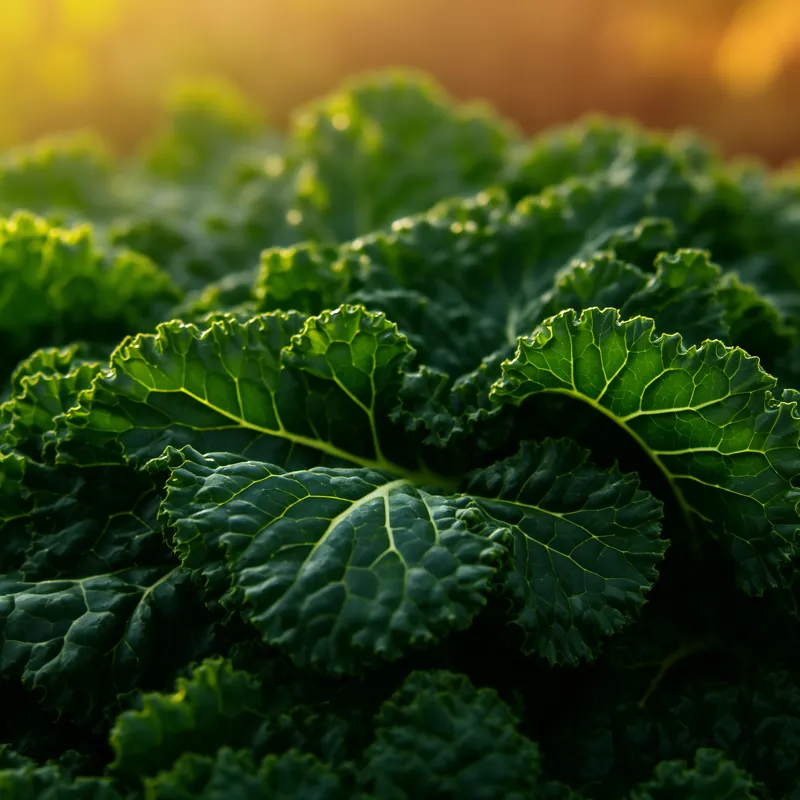
 35 kcal
 P 2.92g C 4.42g F 1.49g
An ancient wheat relative with kernels twice the size of modern wheat and a naturally buttery flavor.
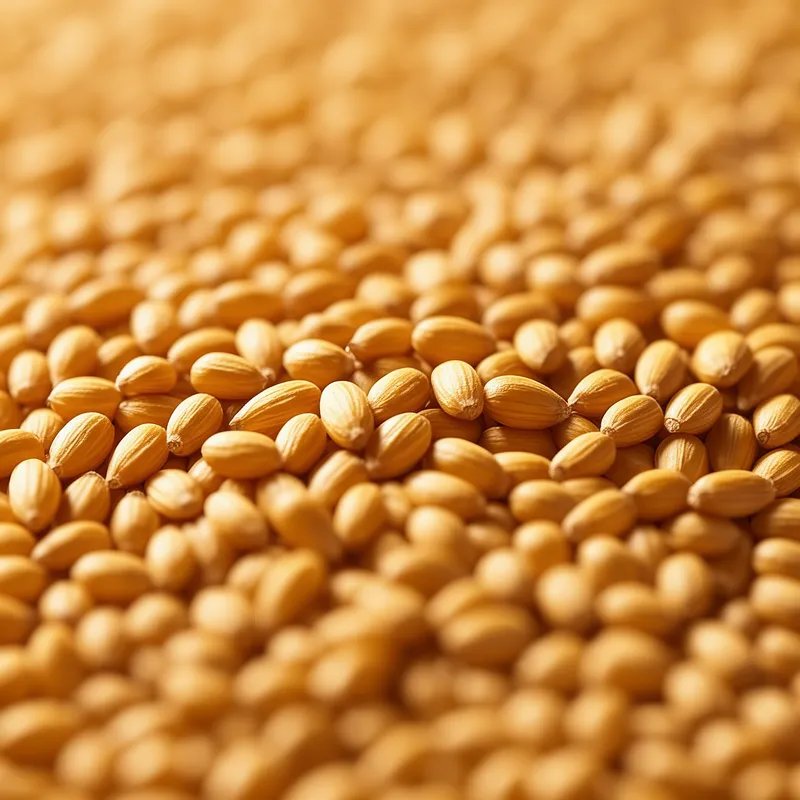
Khorasan wheat (Triticum turanicum) is an ancient grain relative of durum, famously trademarked as Kamut by Bob Quinn in the late 20th century to protect its genetic integrity and ensure it is always grown organically. Legend suggests its seeds were originally found in Egyptian tombs, though botanists now believe it more likely originated in the Fertile Crescent or the Khorasan region of Iran. Unlike modern hybridized wheat, Khorasan has never been bred for high yields or short stalks, retaining its original genetic profile. Chemically, it contains a different gluten protein structure than modern wheat, which some people with mild wheat sensitivities report tolerating better, though it is strictly off-limits for those with celiac disease. The grain is also notable for its high selenium content, a trace mineral essential for thyroid function and antioxidant defense, often found in significantly higher concentrations in Khorasan than in modern durum wheat. Its large, golden kernels yield a distinctly nutty, almost buttery flavor when cooked.
To cook dry Khorasan berries, soak them overnight to reduce cooking time, then simmer in a 3:1 ratio of water to grain for about 45 to 60 minutes until tender but chewy. The cooked berries make an excellent base for grain bowls paired with dark leafy greens and a vinaigrette, as the grain's fat-soluble compounds help absorb fat-soluble vitamins from the vegetables. Store dry grains in an airtight container in a cool, dark pantry to preserve their natural oils from going rancid.
Per 100g — daily values based on a 2,000 calorie diet
CalRay's AI recognizes khorasan and hundreds of thousands of other foods from a photo. No manual lookup needed.
Khorasan, grain, dry contains 372 calories per 100g. A standard serving of 1 RACC (45g) provides 167 calories. It is relatively calorie-dense, so portion control is important.
Khorasan, grain, dry provides 14.8g of protein per 100g, which is 30% of the 50g daily recommended value. It is a good source of protein.
Khorasan, grain, dry contains 71.8g of carbohydrates per 100g . It also provides 10.5g of dietary fiber.
Khorasan, grain, dry has 372 kcal per 100g, so portions need to be monitored on a weight-loss diet. Use CalRay to track your intake accurately. Its fiber content (10.5g/100g) also promotes fullness.
The easiest way to track khorasan is with CalRay. Simply snap a photo of your meal and the AI will automatically identify the food and calculate calories and macros based on the estimated portion size — no manual lookup required. You can also search by name and adjust gram weight manually.
35 kcal 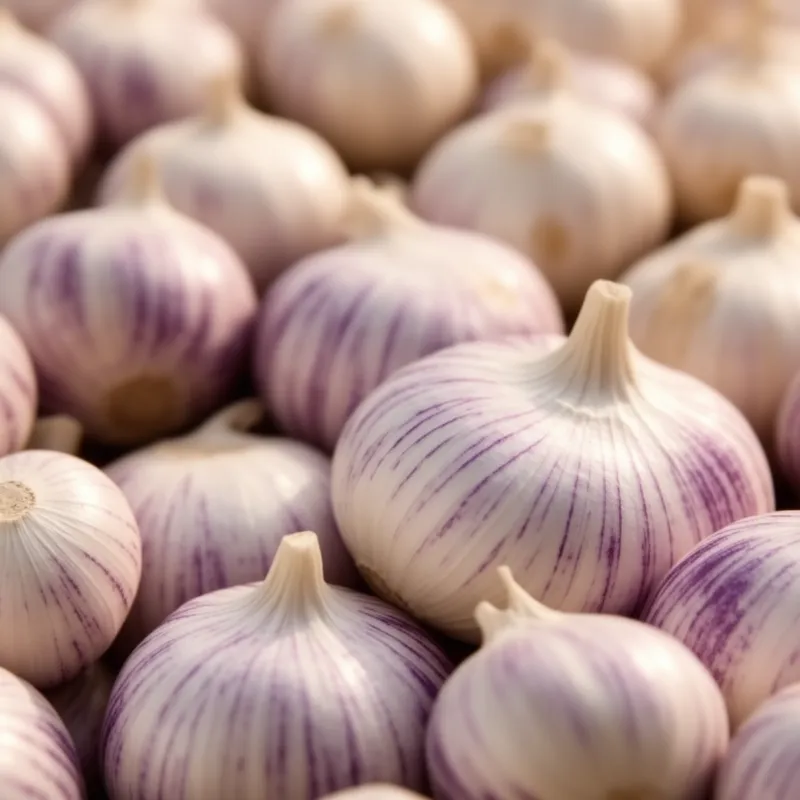 143 kcal
 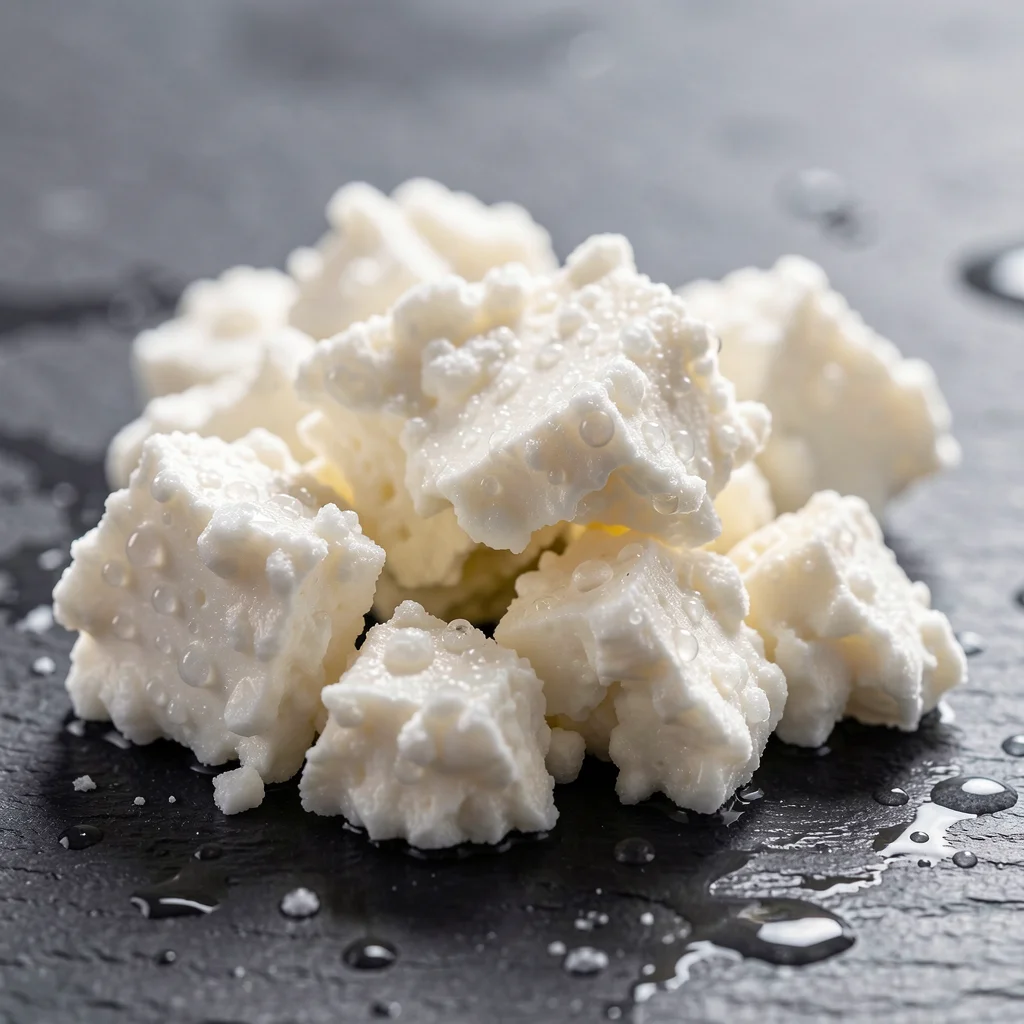 273 kcal