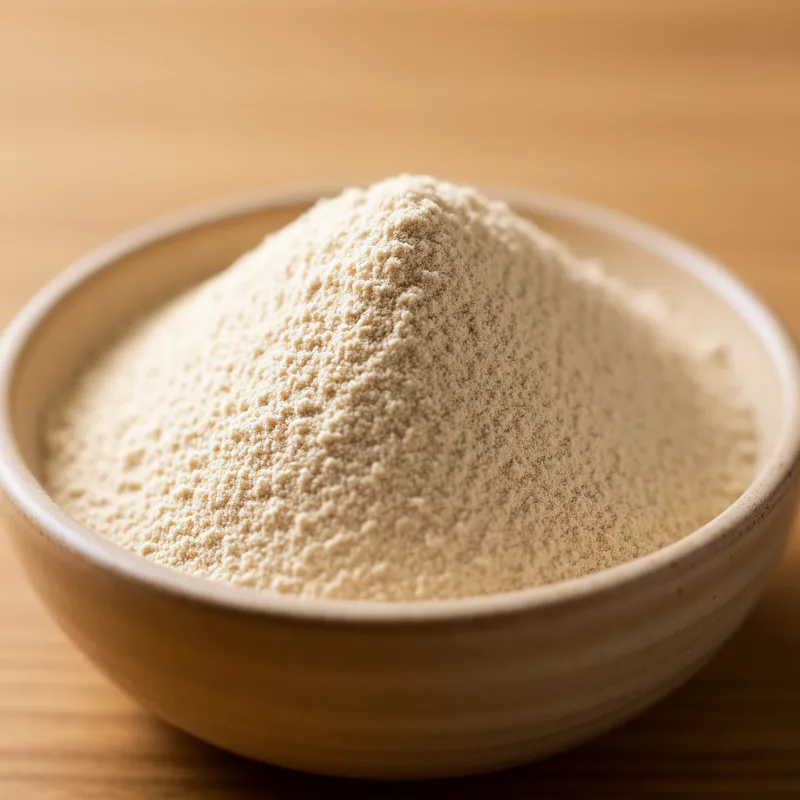
 370 kcal
 P 15.1g C 71.2g F 2.73g
Barley flour contains gluten, but its weak protein network makes it incapable of supporting yeast bread on its own.
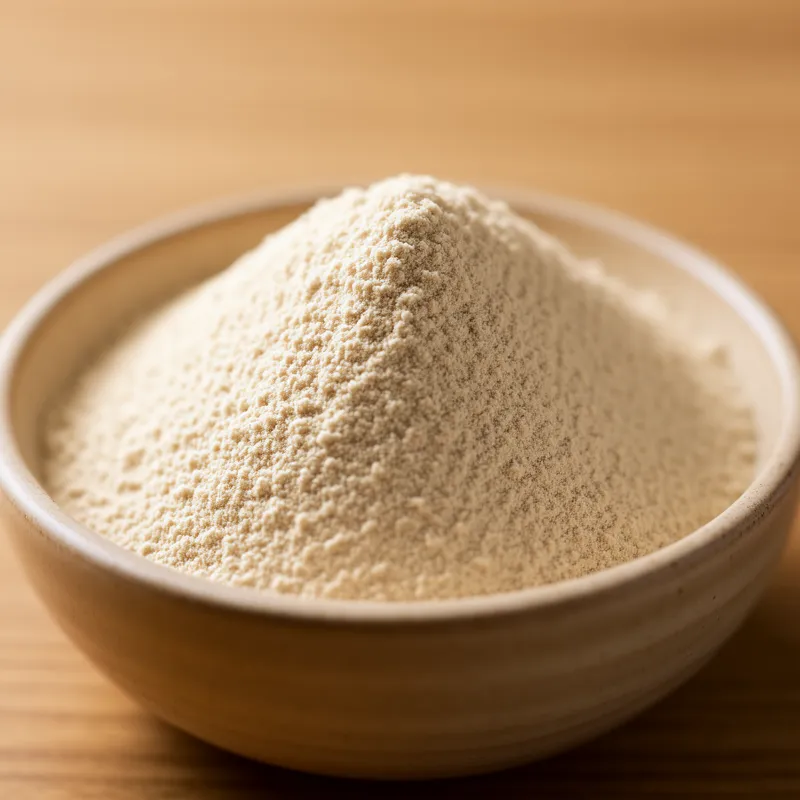
Barley was one of the first domesticated grains, with archaeological evidence dating back over 10,000 years in the Fertile Crescent. Unlike wheat, barley contains a different ratio of gluten-forming proteins. While it possesses gliadin and glutenin, the overall gluten network it creates is weak and lacks the elasticity needed to trap carbon dioxide effectively in yeast-leavened bread. This is why barley flour is typically blended with wheat flour in baking recipes. Furthermore, barley is uniquely rich in beta-glucan, a soluble dietary fiber scientifically proven to reduce LDL cholesterol levels. This beta-glucan gives barley flour a distinct ability to absorb water and thicken liquids rapidly, making it an excellent natural thickening agent for soups, stews, and gravies. When milled into flour, the bran and germ are often removed to create a lighter, sweeter product known as pearl barley flour, though whole grain versions retain the fiber-rich outer layers and offer superior nutritional benefits.
When baking with barley flour, substitute it for about 25% of the wheat flour in recipes for muffins, pancakes, or cookies to add a subtle nutty flavor and boost fiber without compromising texture. Because of its high beta-glucan content, it excels as a thickener for soups and stews—simply whisk a tablespoon into hot broth instead of using cornstarch. Store barley flour in an airtight container in the refrigerator or freezer to prevent the natural oils in the grain from going rancid, extending its shelf life significantly.
Per 100g — daily values based on a 2,000 calorie diet
CalRay's AI recognizes flour and hundreds of thousands of other foods from a photo. No manual lookup needed.
Flour, barley contains 367 calories per 100g. A standard serving of 1 RACC (30g) provides 110 calories. It is relatively calorie-dense, so portion control is important.
Flour, barley provides 8.72g of protein per 100g, which is 17% of the 50g daily recommended value. It is not a primary protein source.
Flour, barley contains 77.4g of carbohydrates per 100g . It also provides 12.8g of dietary fiber.
Flour, barley has 367 kcal per 100g, so portions need to be monitored on a weight-loss diet. Use CalRay to track your intake accurately. Its fiber content (12.8g/100g) also promotes fullness.
The easiest way to track flour is with CalRay. Simply snap a photo of your meal and the AI will automatically identify the food and calculate calories and macros based on the estimated portion size — no manual lookup required. You can also search by name and adjust gram weight manually.
370 kcal 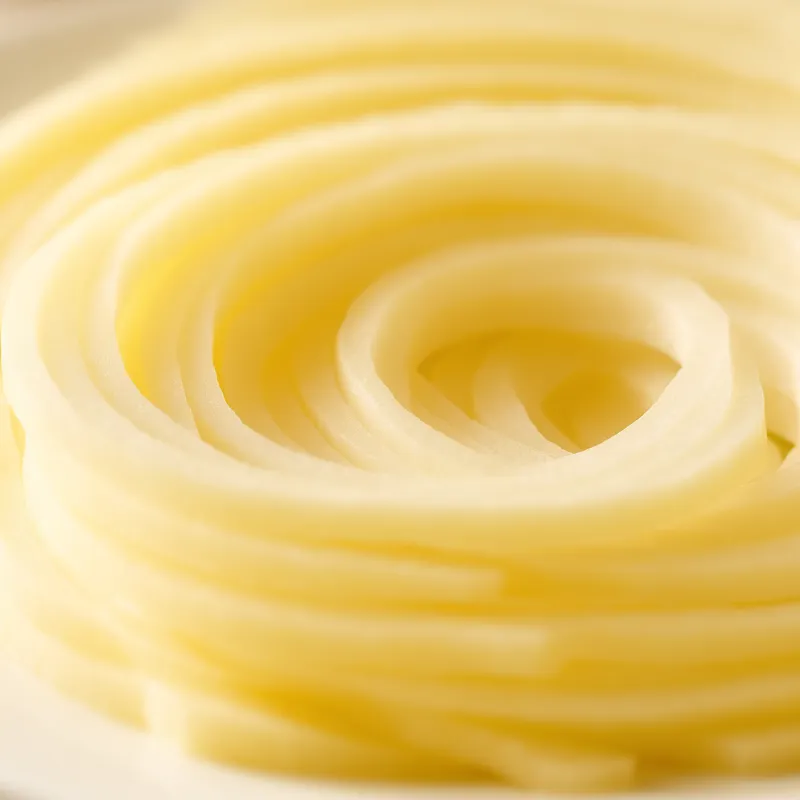 38 kcal
 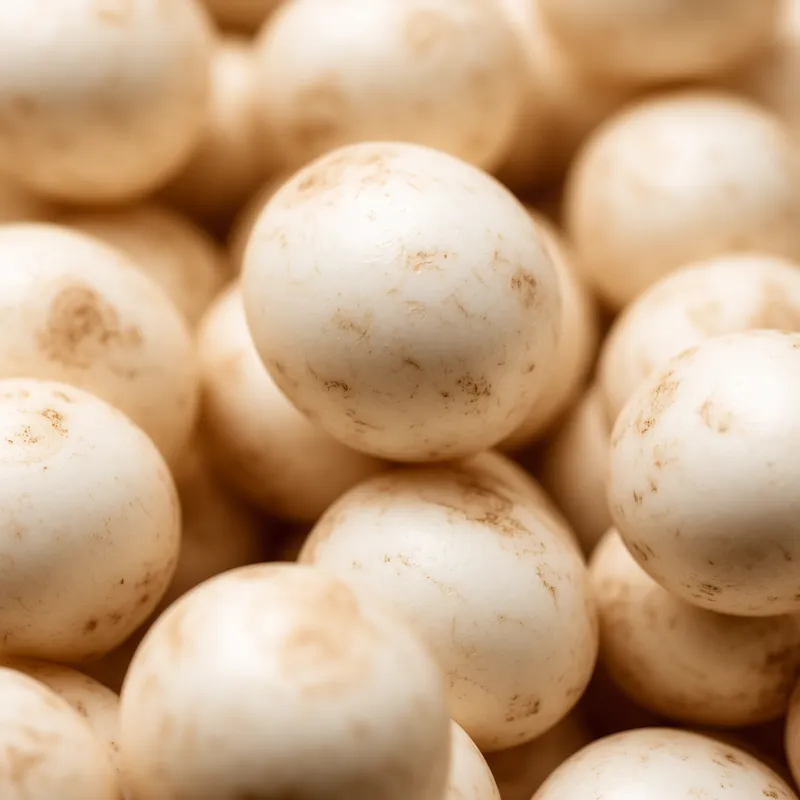 31 kcal