 47 kcal
 P 0.91g C 11.8g F 0.15g
Fennel bulb is not a root but a swollen leaf base, packing anise-flavored essential oils that evolved to repel insects.
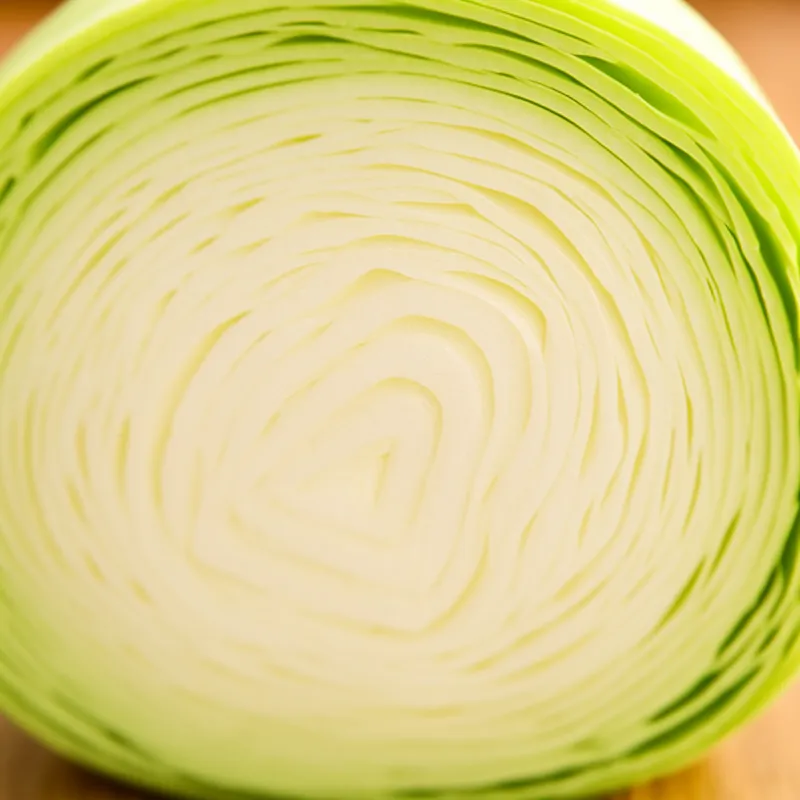
Fennel's distinctive licorice aroma comes from anethole, an aromatic compound that also occurs in star anise. While many assume the fennel bulb grows underground like a root vegetable, it is actually a layered, swollen leaf base that sits just above the soil line. Botanically, fennel (Foeniculum vulgare) belongs to the Apiaceae family, making it a close relative of carrots, dill, and parsley. The plant evolved to produce volatile oils like anethole and fenchone as a natural defense mechanism against herbivorous insects, though humans have cultivated and prized these same compounds for millennia. Ancient Greeks and Romans associated fennel with strength and longevity, using it both as a dietary staple and a medicinal aid for digestion. When you slice into a raw fennel bulb, you are breaking open specialized plant cells that release these defensive oils, which is why the scent is strongest immediately after cutting. Cooking the bulb alters the cellular structure and volatilizes some of these oils, which mellows the sharp anise flavor into a sweeter, nuttier profile.
To maximize both flavor and nutrition, slice the bulb very thin and eat it raw in salads to retain its crisp texture and high vitamin C content. If you prefer cooked fennel, roast the wedges with a little olive oil; the heat breaks down the fibrous cell walls, making the vegetable easier to digest while caramelizing its natural sugars. Store the bulb in the refrigerator crisper drawer tightly wrapped to prevent it from absorbing other flavors and drying out. Save the fronds to use as a fresh, dill-like garnish.
Per 100g — daily values based on a 2,000 calorie diet
CalRay's AI recognizes fennel and hundreds of thousands of other foods from a photo. No manual lookup needed.
Fennel, bulb contains 27 calories per 100g. It is considered a very low-calorie food (under 50 kcal/100g), making it excellent for weight management.
Fennel, bulb provides 0.92g of protein per 100g, which is 2% of the 50g daily recommended value. It is not a primary protein source.
Fennel, bulb contains 5.49g of carbohydrates per 100g . It also provides 2.05g of dietary fiber.
Yes! Fennel, bulb is very low in calories (27 kcal/100g) and can be eaten in generous portions even on a calorie-restricted diet.
The easiest way to track fennel is with CalRay. Simply snap a photo of your meal and the AI will automatically identify the food and calculate calories and macros based on the estimated portion size — no manual lookup required. You can also search by name and adjust gram weight manually.
47 kcal  273 kcal
  27 kcal