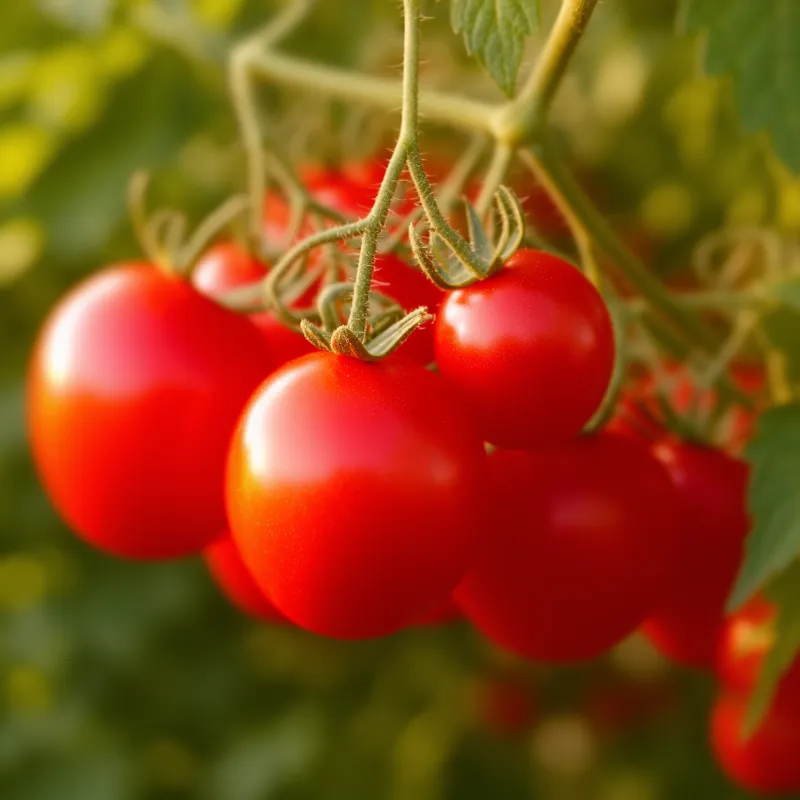
 27 kcal
 P 0.83g C 5.51g F 0.63g
An accidental 1872 attempt to copy French Neufchâtel became America's most iconic bagel topping.
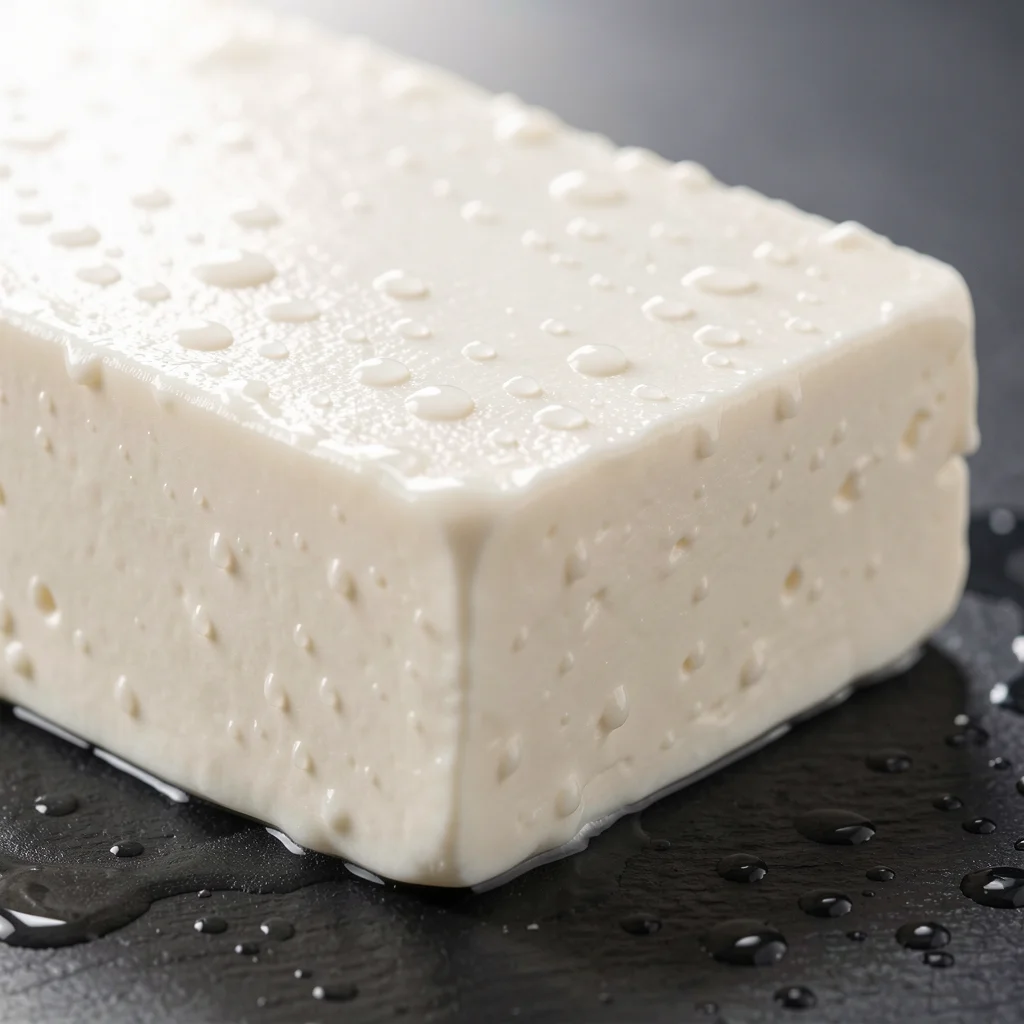
In 1872, dairyman William Lawrence of Chester, New York, set out to reproduce Neufchâtel, a soft, mold-ripened French cheese. By adding extra cream to the curd, he accidentally created something richer and entirely different. Cream cheese is an acid-coagulated fresh cheese, not an aged one. Lactic acid bacteria ferment lactose into lactic acid, lowering the pH until casein proteins reach their isoelectric point around pH 4.6 and coagulate—no rennet or aging required. The block form is denser than whipped or spreadable tubs because it is not aerated with nitrogen, yielding higher calorie density per gram. The fat-in-water emulsion is stabilized by the milk proteins themselves, which is why cream cheese holds its shape when cold but can break and separate if heated too aggressively. This is also why it blends more smoothly into warm batters than into hot sauces.
Let block cream cheese sit at room temperature for 30–60 minutes before blending into frostings or batters; cold blocks will leave lumps. For hot sauces or soups, cut into small cubes and temper by whisking in a splash of warm liquid first to avoid emulsion breakage. Store tightly wrapped in the refrigerator and use within two weeks of opening, as the surface is prone to mold once exposed to air. Pair with raw vegetables like grape tomatoes or cucumbers to add fiber and volume that the cheese itself completely lacks.
Per 100g — daily values based on a 2,000 calorie diet
CalRay's AI recognizes cream cheese and hundreds of thousands of other foods from a photo. No manual lookup needed.
Cream cheese, full fat, block contains 343 calories per 100g. A standard serving of 1 RACC (30g) provides 103 calories. It is relatively calorie-dense, so portion control is important.
Cream cheese, full fat, block provides 5.79g of protein per 100g, which is 12% of the 50g daily recommended value. It is not a primary protein source.
Cream cheese, full fat, block contains 4.56g of carbohydrates per 100g .
Cream cheese, full fat, block has 343 kcal per 100g, so portions need to be monitored on a weight-loss diet. Use CalRay to track your intake accurately.
The easiest way to track cream cheese is with CalRay. Simply snap a photo of your meal and the AI will automatically identify the food and calculate calories and macros based on the estimated portion size — no manual lookup required. You can also search by name and adjust gram weight manually.
27 kcal 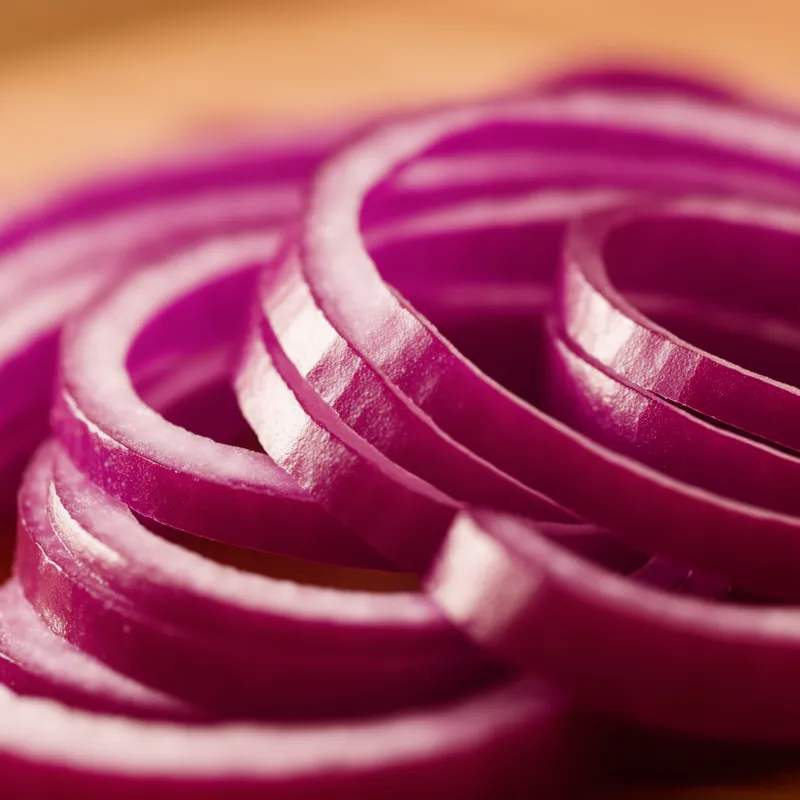 44 kcal
 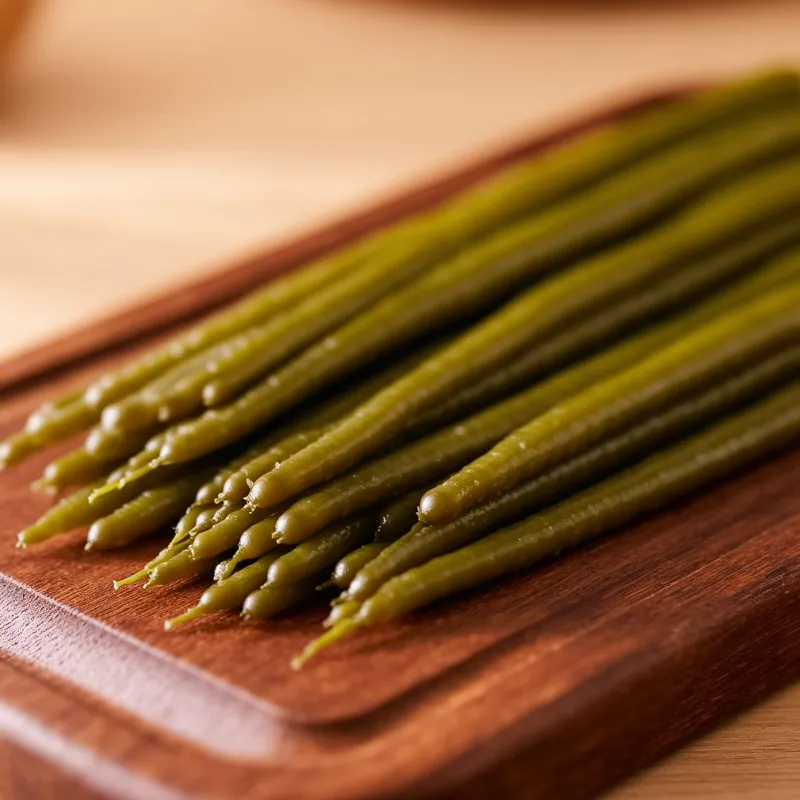 12 kcal