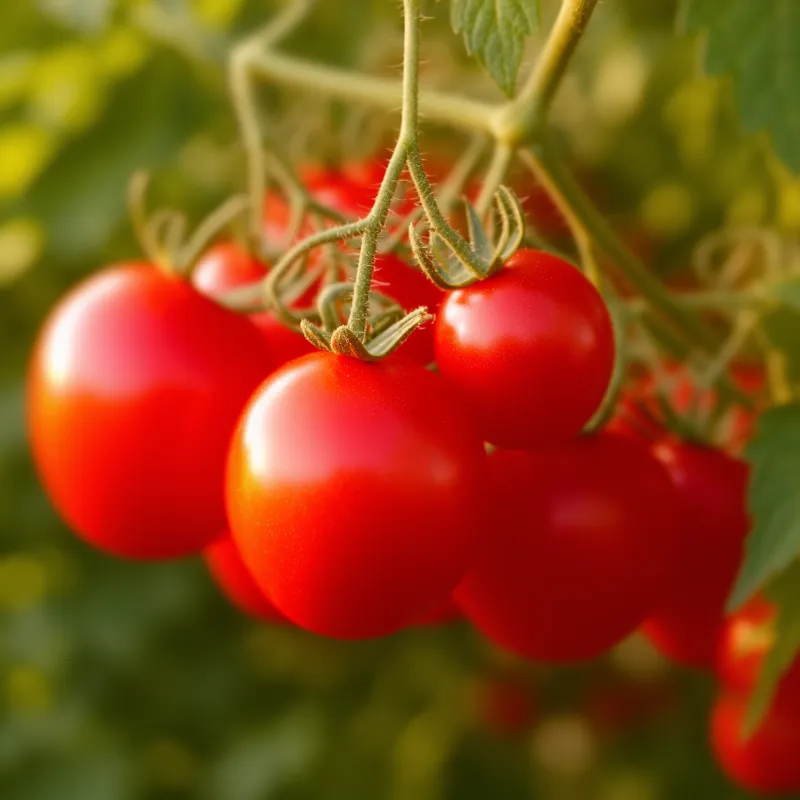
 27 kcal
 P 0.83g C 5.51g F 0.63g
Cottage cheese isn't aged at all—it's technically a fresh cheese made by acidifying milk until the curds separate from the whey.
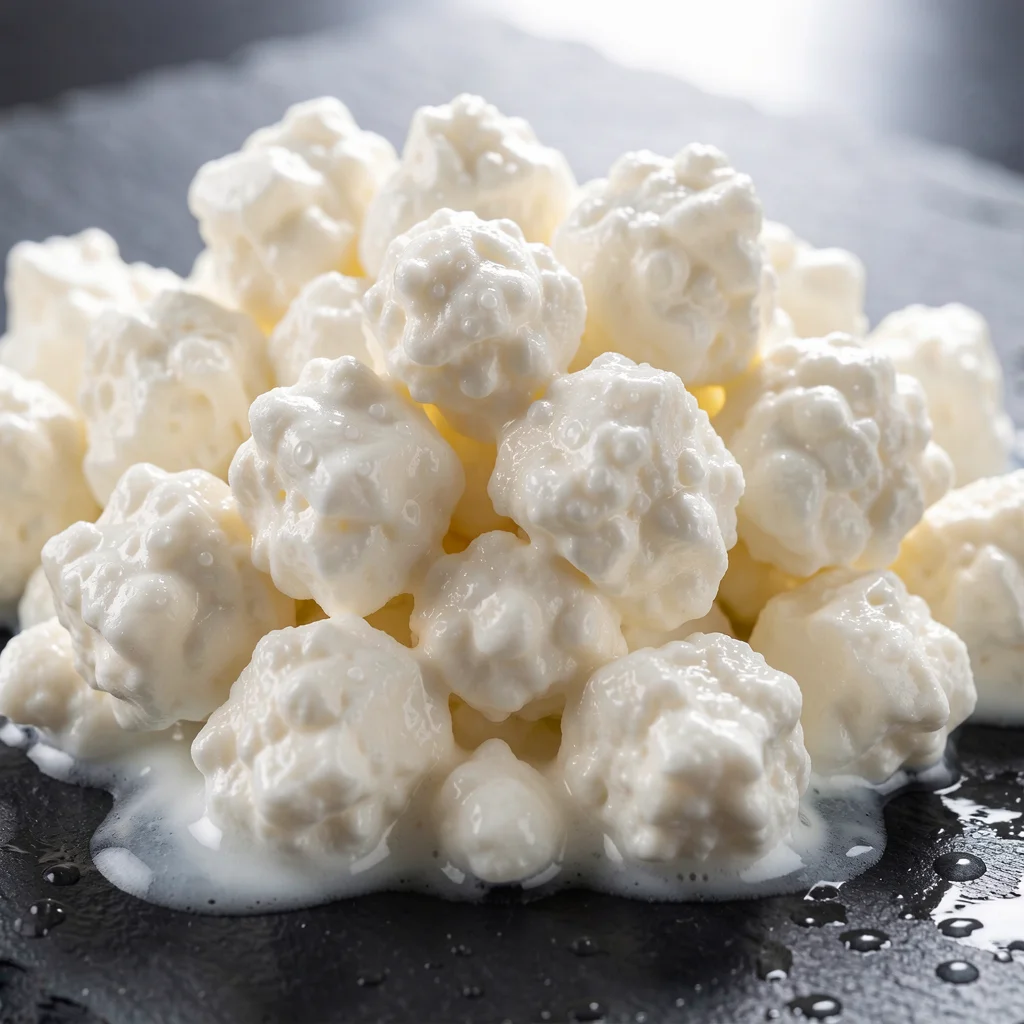
Cottage cheese is one of the oldest forms of cheese making, predating almost all aged cheeses. Its creation relies on a simple chemical process called acid coagulation. When lactic acid bacteria ferment the lactose in milk, the pH drops. Once the milk reaches its isoelectric point at a pH of about 4.6, the casein proteins lose their positive charge and clump together, forming solid curds. The remaining liquid is whey. Unlike hard cheeses that use rennet to form a denser, elastic curd, cottage cheese's acid-set curds are fragile and retain a high moisture content. The distinction between large and small curd comes down to how the curd is cut during production: cutting it into larger pieces traps more moisture and yields a milder, creamier texture, while smaller cuts expel more whey for a firmer bite. Historically, this was a way to use leftover milk after skimming cream for butter, which is why traditional cottage cheese was naturally lower in fat before modern dairies began adding cream back in to create the full-fat variety.
Because full-fat cottage cheese has a mild, slightly tangy flavor, it works equally well in sweet and savory dishes. Blend it smooth into pancake batter or egg scrambles to boost protein and moisture without adding excess liquid. Store it upside down in the refrigerator; this keeps the curds submerged in their cream, preventing oxidation and extending shelf life. For a savory snack, pair it with sliced tomatoes or black pepper to complement its natural acidity.
Per 100g — daily values based on a 2,000 calorie diet
CalRay's AI recognizes cottage cheese and hundreds of thousands of other foods from a photo. No manual lookup needed.
Cottage cheese, full fat, large or small curd contains 103 calories per 100g. A standard serving of 1 RACC (110g) provides 113 calories. It is a moderate-calorie food that can fit into most healthy diets.
Cottage cheese, full fat, large or small curd provides 11.6g of protein per 100g, which is 23% of the 50g daily recommended value. It is a good source of protein.
Cottage cheese, full fat, large or small curd contains 4.6g of carbohydrates per 100g .
Cottage cheese, full fat, large or small curd has 103 kcal per 100g, which is relatively moderate. It can fit into a weight-loss diet as long as portion sizes are managed.
The easiest way to track cottage cheese is with CalRay. Simply snap a photo of your meal and the AI will automatically identify the food and calculate calories and macros based on the estimated portion size — no manual lookup required. You can also search by name and adjust gram weight manually.
27 kcal 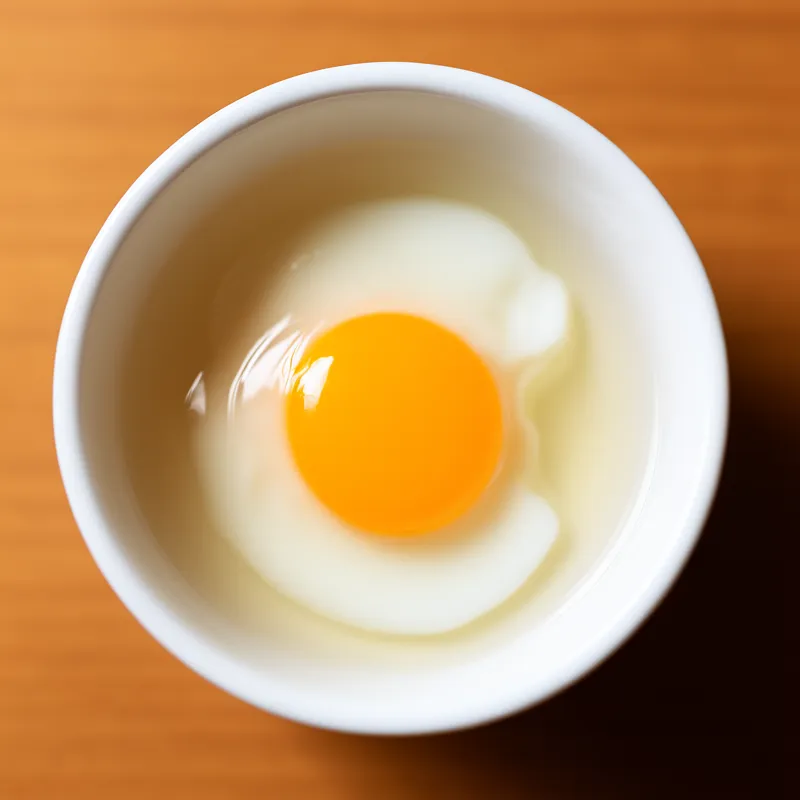 148 kcal
 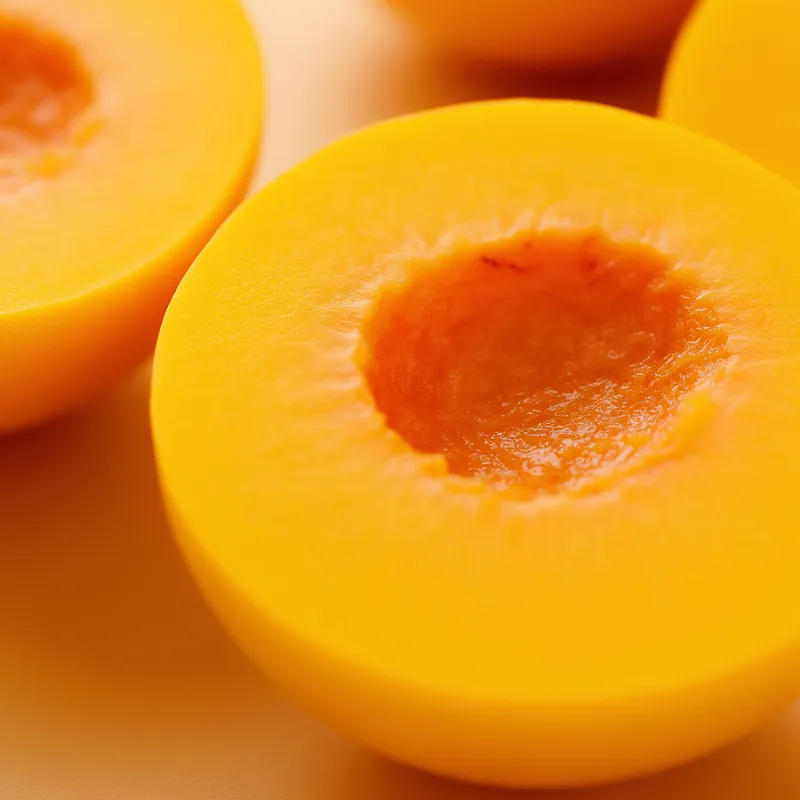 42 kcal