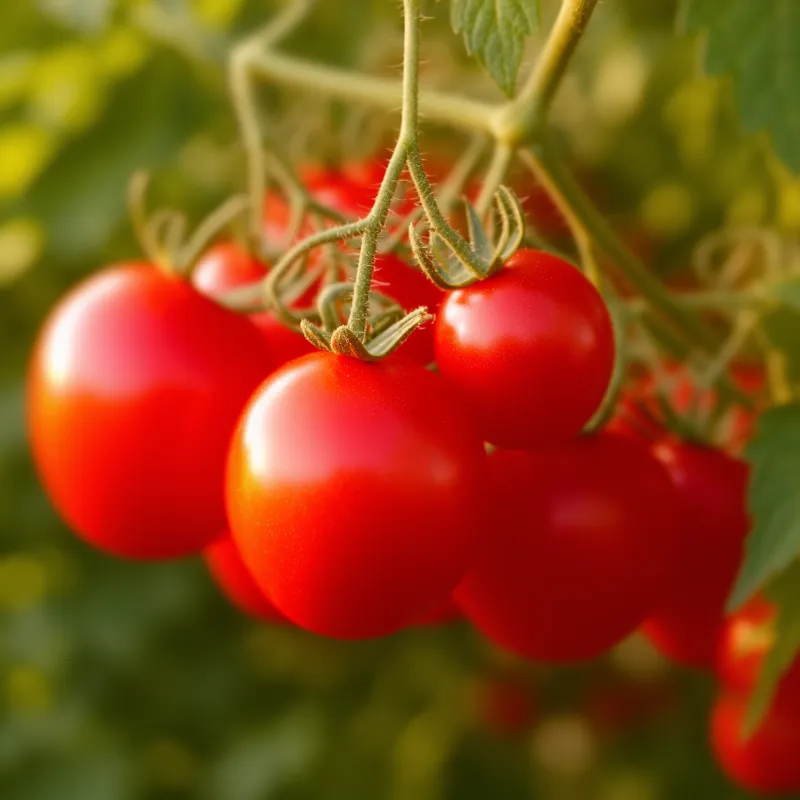
 27 kcal
 P 0.83g C 5.51g F 0.63g
A living ecosystem of microbes and enzymes that transforms liquid milk into a solid capable of aging for years without spoiling.
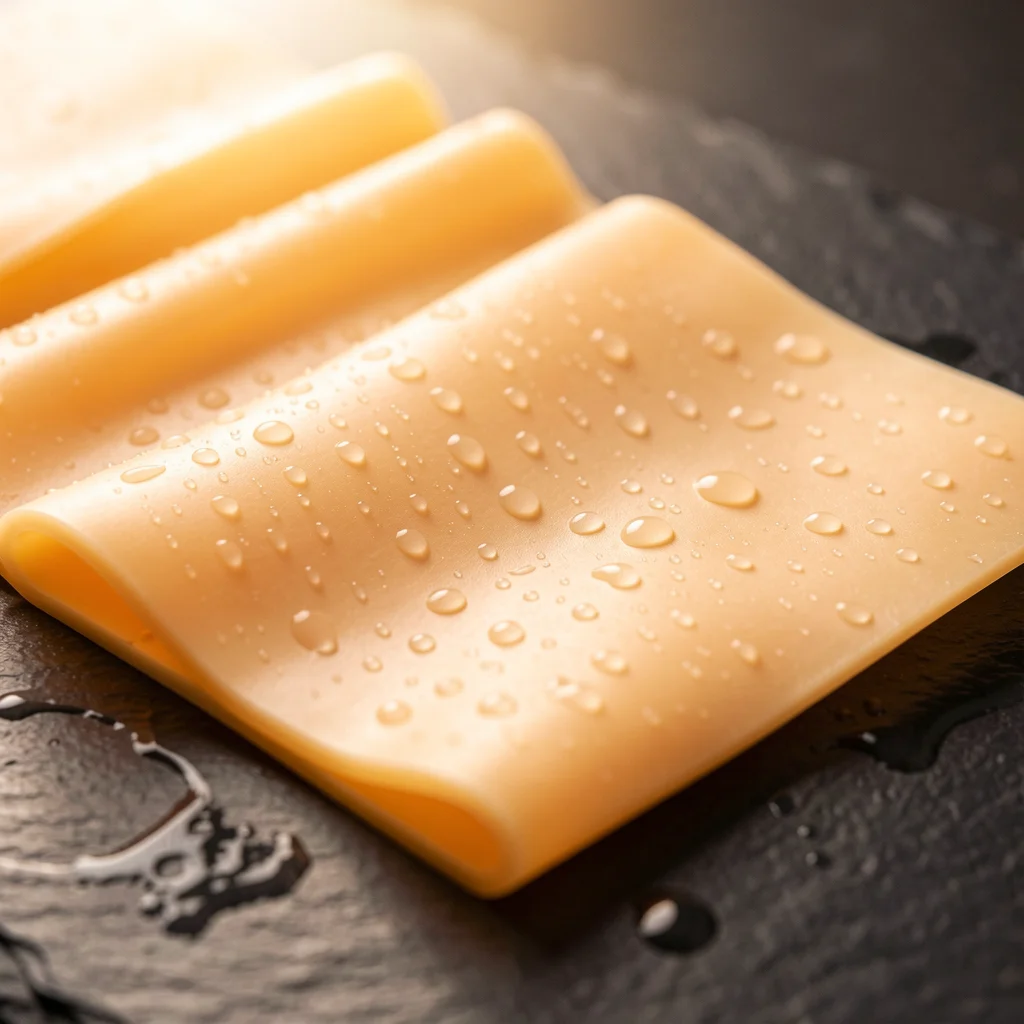
Cheese is fundamentally a controlled spoilage process driven by microbes and enzymes. When rennet—traditionally extracted from the stomach lining of calves—is added to milk, its active enzyme, chymosin, targets a specific casein protein called kappa-casein. This protein normally keeps milk fat and proteins suspended in liquid. By cleaving kappa-casein, chymosin removes its stabilizing charge, causing the calcium-casein complexes to clump together into solid curds while the watery whey drains away. The curds are then pressed and left to age, entering a phase of complex biochemistry. During aging, residual enzymes and introduced microbes break down remaining proteins into free amino acids through proteolysis, and fats into fatty acids through lipolysis. These breakdown products are responsible for the vast array of flavors in aged cheeses, from nutty and savory to sharp and pungent. Because most of the lactose is drained off with the whey and the remaining sugars are fermented into lactic acid, aged cheeses naturally become very low in carbohydrates, making them a dense source of fat and protein that can remain stable for months or even years without refrigeration.
Because cheese is naturally low in carbohydrates but high in fat and sodium, it pairs exceptionally well with fiber-rich, high-water-content foods to balance a meal. Grate hard, aged cheeses over raw vegetables or legumes to add a savory umami boost without overwhelming the dish with calories. Store cheese in the refrigerator wrapped in parchment paper rather than plastic, which allows it to breathe and prevents excess moisture buildup that encourages mold. Allow it to come to room temperature before serving to maximize the perception of its complex flavor compounds.
Per 100g — daily values based on a 2,000 calorie diet
CalRay's AI recognizes cheese and hundreds of thousands of other foods from a photo. No manual lookup needed.
Cheese contains 310 calories per 100g. A standard serving of 1 RACC (30g) provides 93 calories. It is relatively calorie-dense, so portion control is important.
Cheese provides 15.6g of protein per 100g, which is 31% of the 50g daily recommended value. It is a good source of protein.
Cheese contains 8.19g of carbohydrates per 100g .
Cheese has 310 kcal per 100g, so portions need to be monitored on a weight-loss diet. Use CalRay to track your intake accurately. Its high protein content (15.6g/100g) helps with satiety.
The easiest way to track cheese is with CalRay. Simply snap a photo of your meal and the AI will automatically identify the food and calculate calories and macros based on the estimated portion size — no manual lookup required. You can also search by name and adjust gram weight manually.
27 kcal 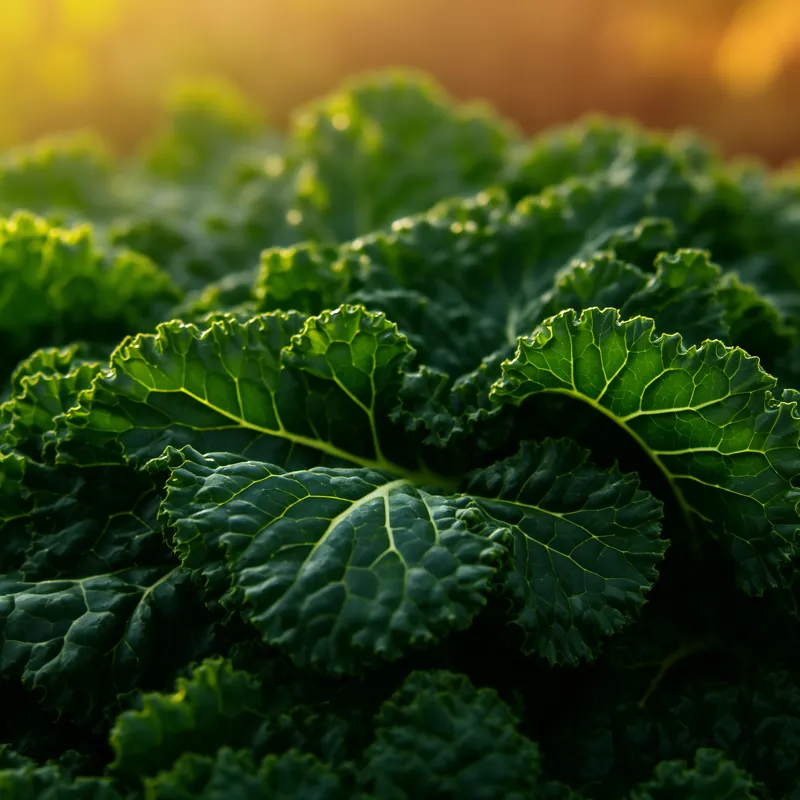 35 kcal
 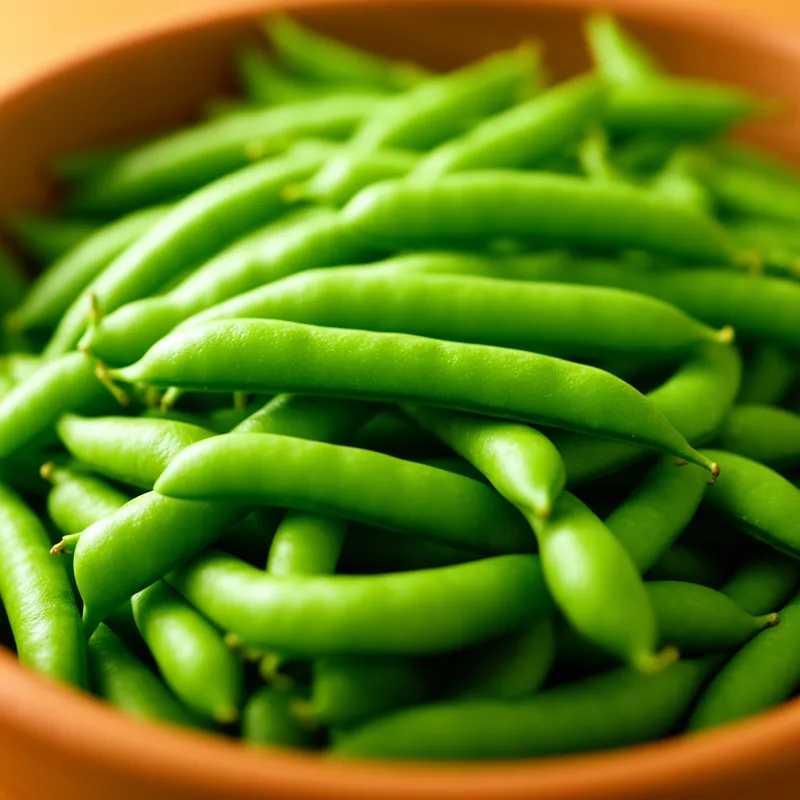 40 kcal