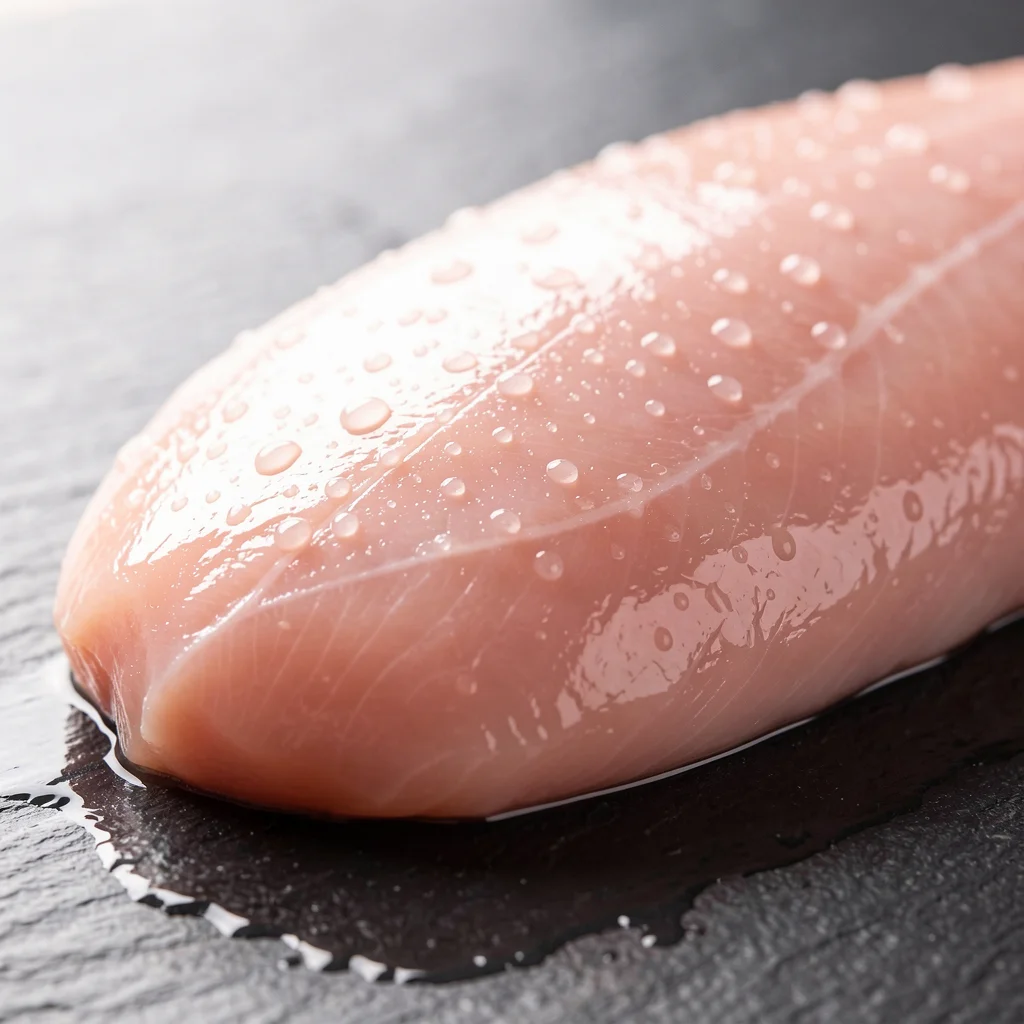
 107 kcal
 P 22.5g C 0g F 1.93g
Modern low-fat buttermilk isn't butter's leftover byproduct at all—it's actually cultured skim milk.
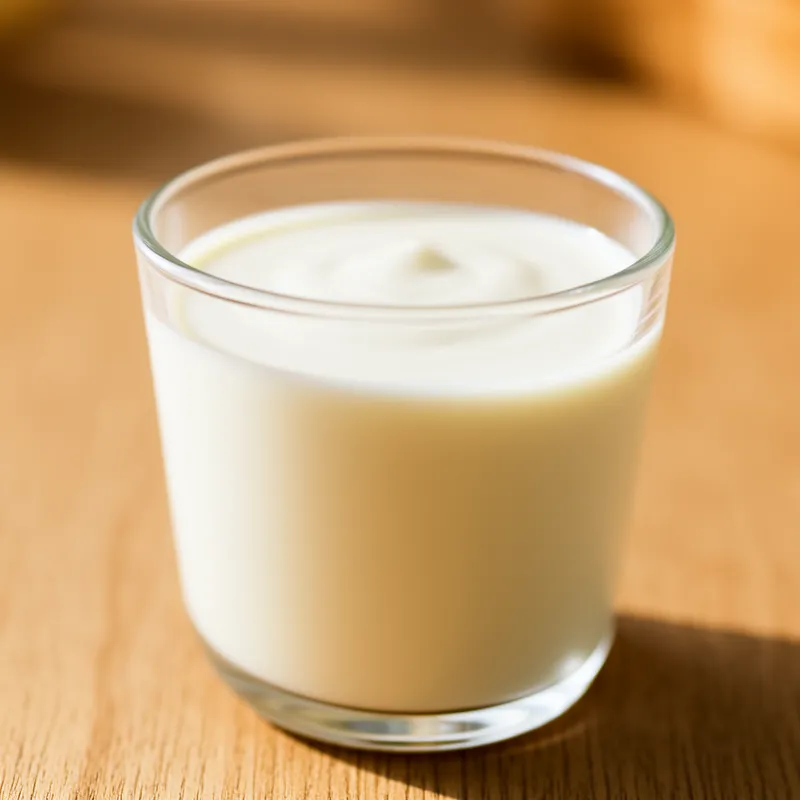
Traditional buttermilk was the tangy liquid left behind after churning butter from cultured cream. However, the low-fat buttermilk sold in supermarkets today is not a butter byproduct. Instead, it is cultured milk, created by adding lactic acid bacteria—typically Lactococcus lactis and Leuconostoc citrovorum—to pasteurized skim or low-fat milk. These bacteria ferment lactose, converting it into lactic acid. As the pH drops, the milk's casein proteins begin to coagulate slightly, thickening the liquid and giving it a characteristic tart flavor. This acidification also serves a practical purpose: the lower pH inhibits the growth of spoilage organisms, naturally extending the shelf life. In baking, this acidity is highly prized. When combined with an alkaline leavening agent like baking soda, the lactic acid triggers a rapid chemical reaction that releases carbon dioxide gas. This gas creates air pockets in batters, providing lift and a tender, uniform crumb in baked goods like pancakes, scones, and biscuits. The fermentation process also makes the calcium naturally present in the milk more bioavailable.
Use low-fat buttermilk as a marinade for chicken or pork; its lactic acid breaks down protein structures, tenderizing the meat without making it mushy. When baking, always pair it with baking soda to maximize leavening power. Store it in the refrigerator and shake well before use, as the milk solids tend to separate. If you run out, you can mimic its acidity by adding a tablespoon of lemon juice or white vinegar to a cup of regular milk and letting it sit for five minutes.
Per 100g — daily values based on a 2,000 calorie diet
CalRay's AI recognizes buttermilk and hundreds of thousands of other foods from a photo. No manual lookup needed.
Buttermilk, low fat contains 43 calories per 100g. It is considered a very low-calorie food (under 50 kcal/100g), making it excellent for weight management.
Buttermilk, low fat provides 3.46g of protein per 100g, which is 7% of the 50g daily recommended value. It is not a primary protein source.
Buttermilk, low fat contains 4.81g of carbohydrates per 100g .
Yes! Buttermilk, low fat is very low in calories (43 kcal/100g) and can be eaten in generous portions even on a calorie-restricted diet.
The easiest way to track buttermilk is with CalRay. Simply snap a photo of your meal and the AI will automatically identify the food and calculate calories and macros based on the estimated portion size — no manual lookup required. You can also search by name and adjust gram weight manually.
107 kcal 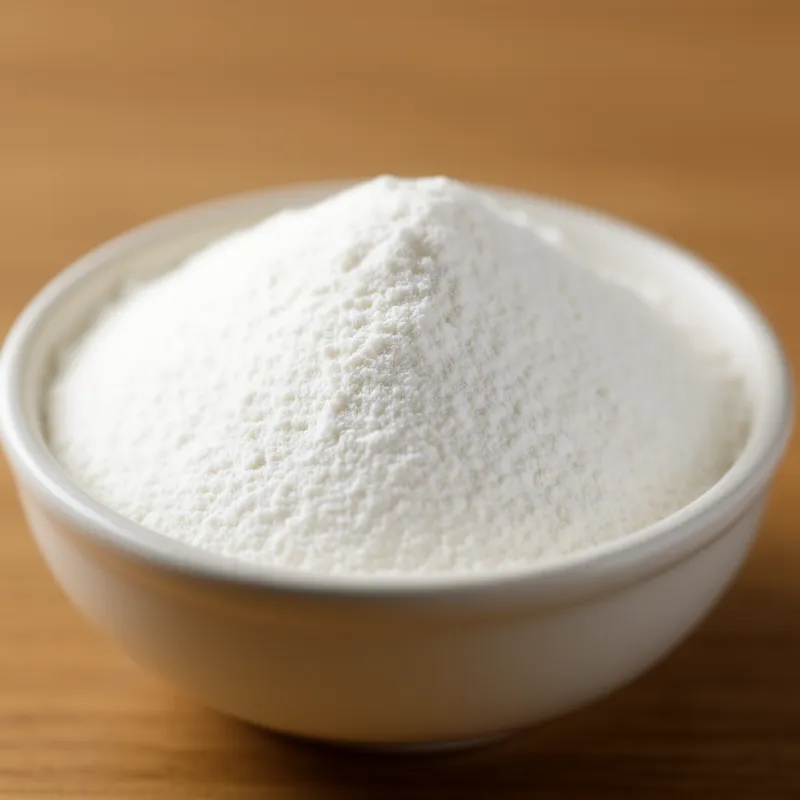 358 kcal
 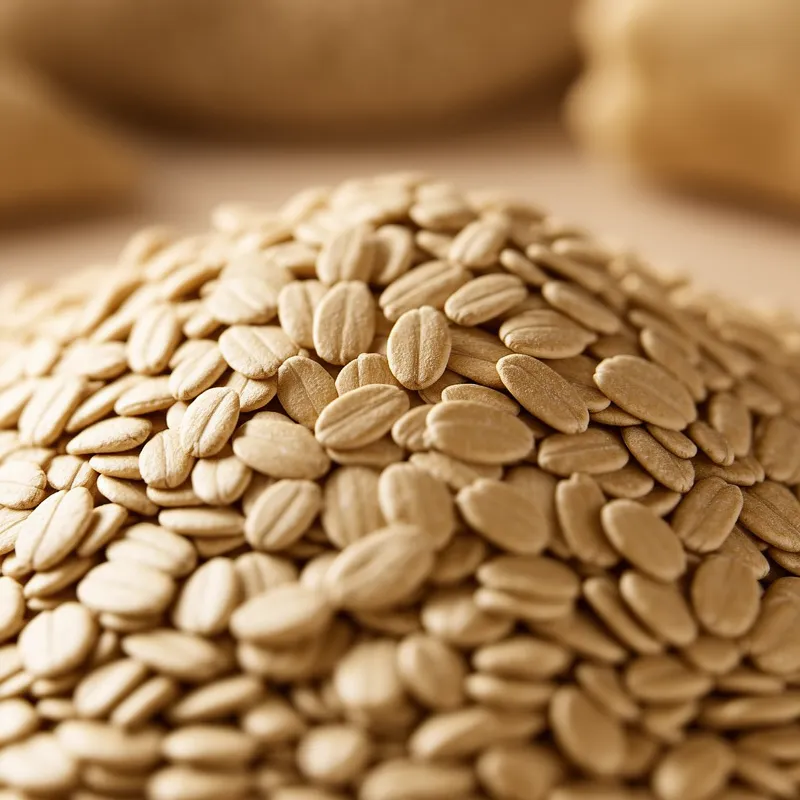 382 kcal