 16 kcal
 P 0.63g C 2.95g F 0.18g
Bulgur isn't just cracked wheat—it's parboiled, dried, and cracked, making it one of humanity's oldest convenience foods.
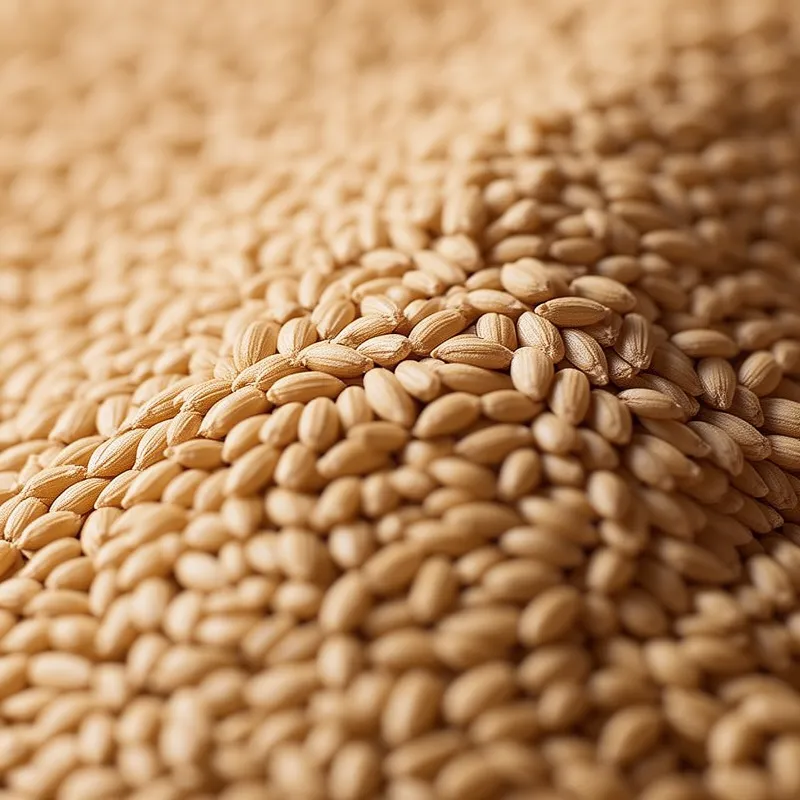
Bulgur is a parboiled wheat, meaning the wheat kernels are partially boiled, dried, and then cracked. This process, known as starch gelatinization, alters the starch structure so it cooks rapidly when rehydrated. Historically, this technique allowed ancient civilizations in the Anatolian peninsula to preserve wheat for months without spoilage, as the precooking and drying process made it resistant to insect infestation and mold. Unlike modern instant rice or oats, bulgur's parboiling predates industrial food processing by millennia, with evidence of its production dating back to the ancient Romans and Hittites. Because the bran and germ remain intact in whole grain bulgur, it retains more fiber and nutrients compared to refined cracked wheat. The precooking step also means its carbohydrates are partially gelatinized, giving it a lower glycemic impact than standard white rice or pasta. This ancient preservation method inadvertently created a highly nutritious, fast-cooking staple that remains a cornerstone of Middle Eastern and Mediterranean diets today.
To prepare dry bulgur, simply rehydrate it rather than fully boiling it. Combine one part bulgur with two parts boiling water, cover, and let it sit for 15 to 20 minutes until tender. This no-cook method preserves its B vitamins, which can leach out during prolonged boiling. Store dry bulgur in an airtight container in a cool, dark place to prevent the natural oils in the retained germ from going rancid. Pair it with vitamin C-rich foods like tomatoes or bell peppers to enhance the absorption of its non-heme iron.
Per 100g — daily values based on a 2,000 calorie diet
CalRay's AI recognizes bulgur and hundreds of thousands of other foods from a photo. No manual lookup needed.
Bulgur, dry contains 373 calories per 100g. A standard serving of 1 RACC (45g) provides 168 calories. It is relatively calorie-dense, so portion control is important.
Bulgur, dry provides 11.8g of protein per 100g, which is 24% of the 50g daily recommended value. It is a good source of protein.
Bulgur, dry contains 75.9g of carbohydrates per 100g . It also provides 11.7g of dietary fiber.
Bulgur, dry has 373 kcal per 100g, so portions need to be monitored on a weight-loss diet. Use CalRay to track your intake accurately. Its fiber content (11.7g/100g) also promotes fullness.
The easiest way to track bulgur is with CalRay. Simply snap a photo of your meal and the AI will automatically identify the food and calculate calories and macros based on the estimated portion size — no manual lookup required. You can also search by name and adjust gram weight manually.
16 kcal  27 kcal
  137 kcal