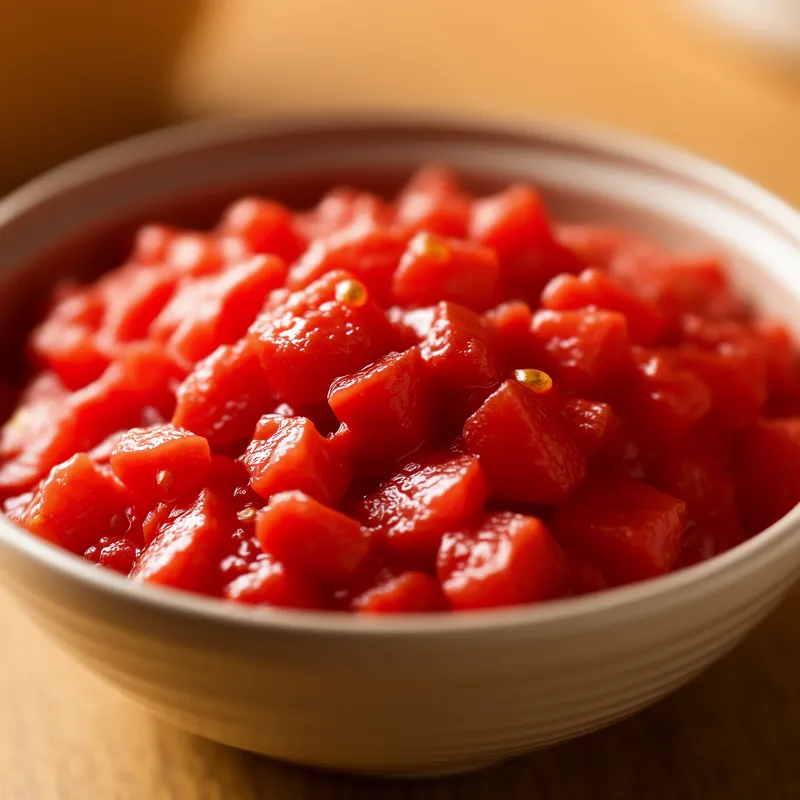
 38 kcal
 P 1.44g C 7.14g F 0.4g
The shoulder muscle that transforms from tough leather to melt-in-your-mouth gelatin through low, slow heat.
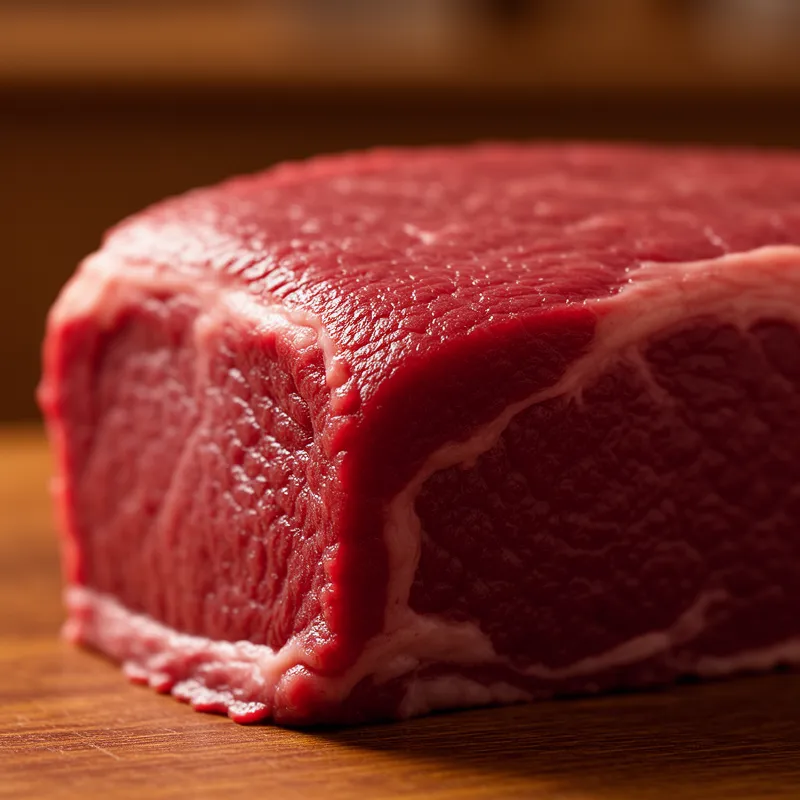
The chuck primal cut comes from the shoulder region of the cow, an area that bears a significant portion of the animal's weight. Because these muscles are constantly exercised, they develop dense networks of connective tissue, primarily composed of the protein collagen. If you grill a chuck roast quickly, this collagen remains tough and rubbery, making the meat difficult to chew. However, when subjected to prolonged, moist heat—such as braising—the chemistry of the meat changes dramatically. As the internal temperature reaches around 160°F to 180°F, the rigid triple-helix structure of the collagen begins to unwind and denature. Through a process called hydrolysis, this tough connective tissue dissolves into gelatin. This gelatin melts into the surrounding muscle fibers and cooking liquid, coating them in a rich, viscous layer. This transformation is why a seemingly tough, inexpensive cut of meat becomes incredibly tender and succulent, forming the foundational flavor and texture of classic dishes like pot roast.
To maximize tenderness, cook chuck roast using a moist-heat method like braising at a low temperature. Sear the meat first to trigger the Maillard reaction, then submerge it in a slightly acidic liquid like crushed tomatoes, which helps accelerate the breakdown of connective tissue. Add fibrous vegetables like carrots or kale during the final hour of cooking; they will absorb the rendered gelatin and fat, providing a balanced, satiating meal. Store any leftover braised chuck directly in its cooking liquid to keep the proteins hydrated.
Per 100g — daily values based on a 2,000 calorie diet
CalRay's AI recognizes beef chuck and hundreds of thousands of other foods from a photo. No manual lookup needed.
Beef chuck, roast contains 234 calories per 100g. A standard serving of 1 RACC (114g) provides 267 calories. It is relatively calorie-dense, so portion control is important.
Beef chuck, roast provides 18.4g of protein per 100g, which is 37% of the 50g daily recommended value. It is a good source of protein.
Beef chuck, roast contains 0g of carbohydrates per 100g .
Beef chuck, roast has 234 kcal per 100g, so portions need to be monitored on a weight-loss diet. Use CalRay to track your intake accurately. Its high protein content (18.4g/100g) helps with satiety.
The easiest way to track beef chuck is with CalRay. Simply snap a photo of your meal and the AI will automatically identify the food and calculate calories and macros based on the estimated portion size — no manual lookup required. You can also search by name and adjust gram weight manually.
38 kcal 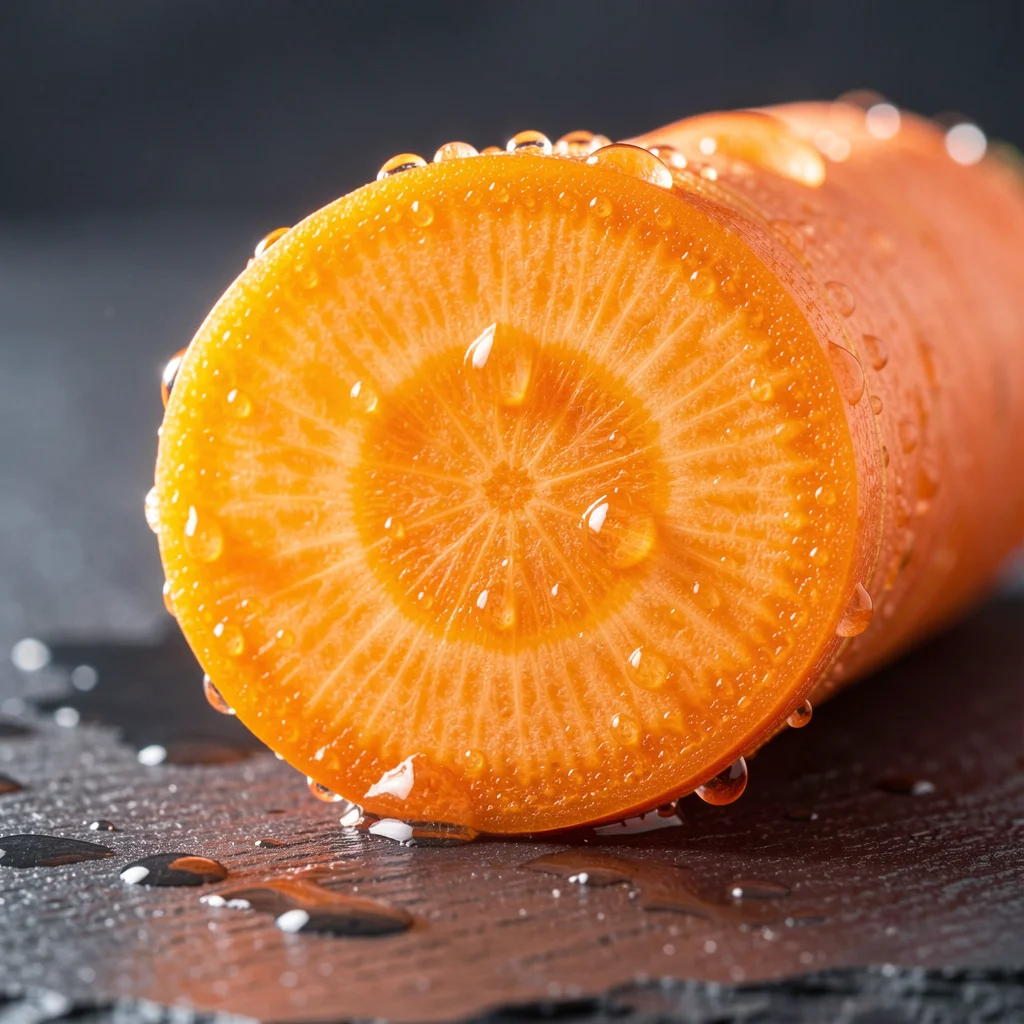 48 kcal
 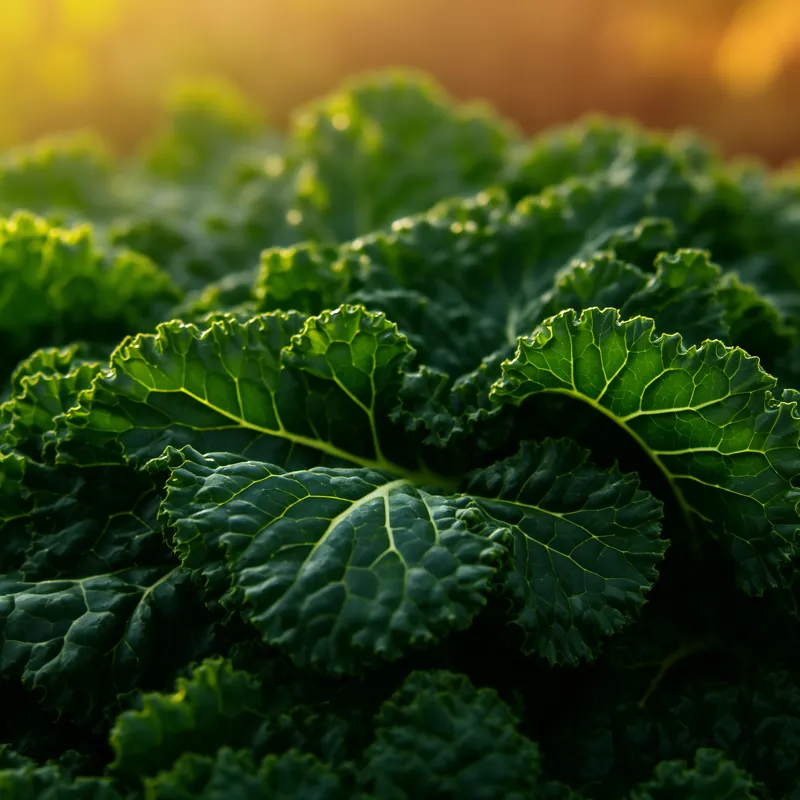 35 kcal