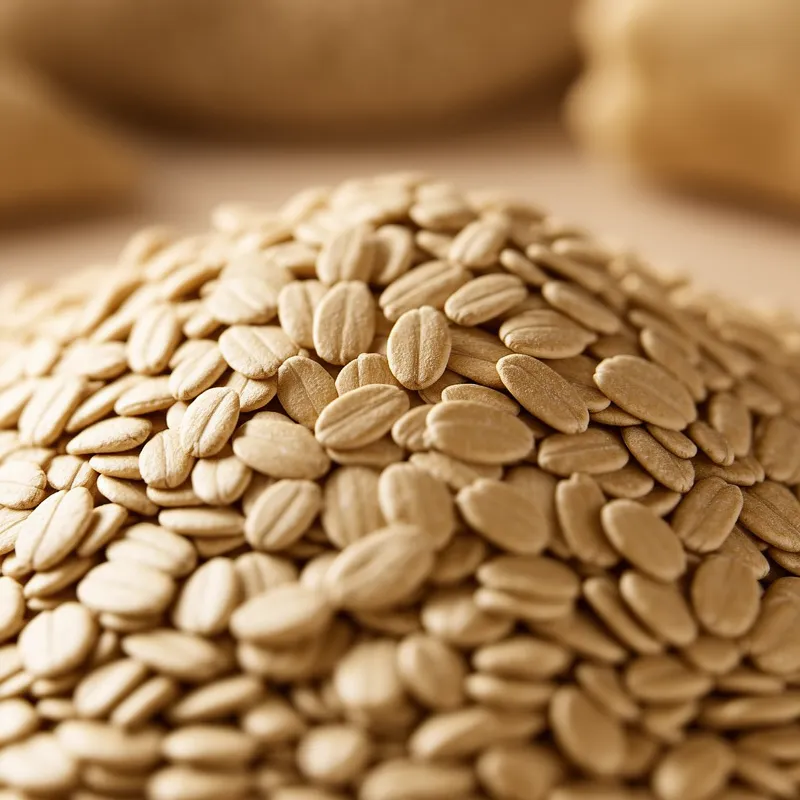
 382 kcal
 P 13.5g C 68.7g F 5.89g
Most commercial almond milk contains only about two percent almonds, with the rest being water and added vitamins.

Almond milk has a surprisingly long history, predating modern dairy milk substitutes by centuries. It was a staple in medieval European kitchens during Lent, when animal products were forbidden by the Catholic Church. Because almonds were relatively expensive, it was often consumed by the wealthy or used as a thickening agent in refined sauces and stews rather than as a standalone beverage. Modern commercial almond milk is vastly different from its historical counterpart. Today, the beverage is typically made by blending a small percentage of almonds with water, then straining out the solids. To achieve its creamy texture and shelf stability, manufacturers often add emulsifiers like lecithin and stabilizers such as gellan gum. Furthermore, while whole almonds are an excellent source of vitamin E and protein, the filtering process leaves the final liquid with only trace amounts of these nutrients unless it is fortified. Most brands add calcium carbonate and vitamin D2 to mimic the nutritional profile of cow's milk, meaning the calcium in your glass is often mined rather than grown. This is why the protein content remains remarkably low, often less than a gram per serving, despite almonds themselves being protein-dense.
Unsweetened almond milk is an excellent low-calorie base for smoothies, as its mild nutty flavor won't overpower fruits or protein powders. Because it is low in protein, pairing it with a scoop of Greek yogurt or a handful of walnuts ensures you stay satiated. It also works well in baking as a dairy-free substitute for cow's milk, though its low fat and protein content means it may slightly alter the texture of custards or sauces that rely on dairy proteins for structure.
Per 100g — daily values based on a 2,000 calorie diet
CalRay's AI recognizes almond milk and hundreds of thousands of other foods from a photo. No manual lookup needed.
Almond milk, unsweetened, plain contains 19 calories per 100g. It is considered a very low-calorie food (under 50 kcal/100g), making it excellent for weight management.
Almond milk, unsweetened, plain provides 0.66g of protein per 100g, which is 1% of the 50g daily recommended value. It is not a primary protein source.
Almond milk, unsweetened, plain contains 0.67g of carbohydrates per 100g . It also provides 0g of dietary fiber.
Yes! Almond milk, unsweetened, plain is very low in calories (19 kcal/100g) and can be eaten in generous portions even on a calorie-restricted diet.
The easiest way to track almond milk is with CalRay. Simply snap a photo of your meal and the AI will automatically identify the food and calculate calories and macros based on the estimated portion size — no manual lookup required. You can also search by name and adjust gram weight manually.
382 kcal  36 kcal
 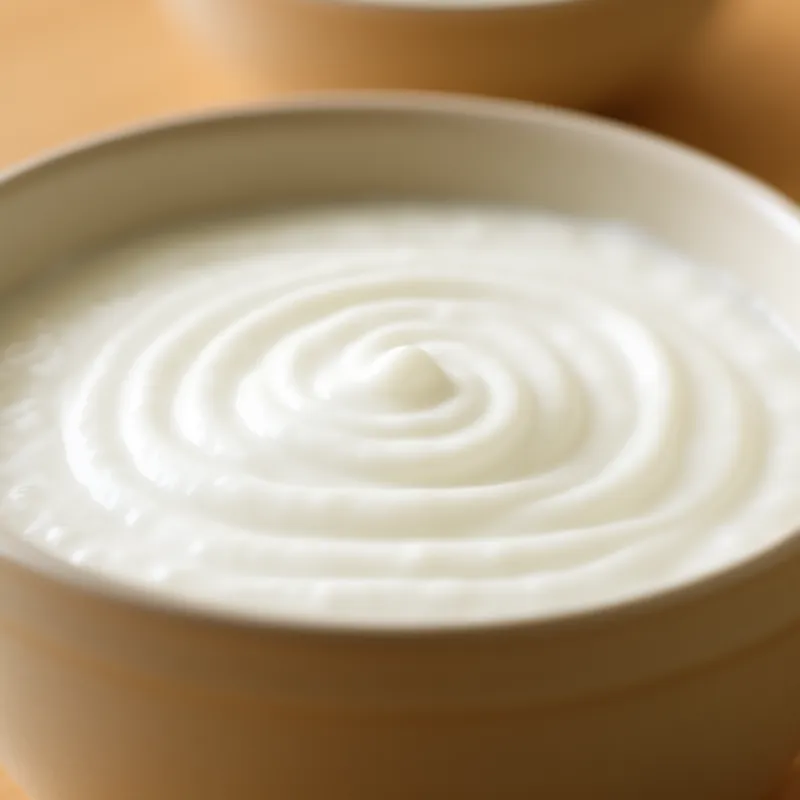 61 kcal