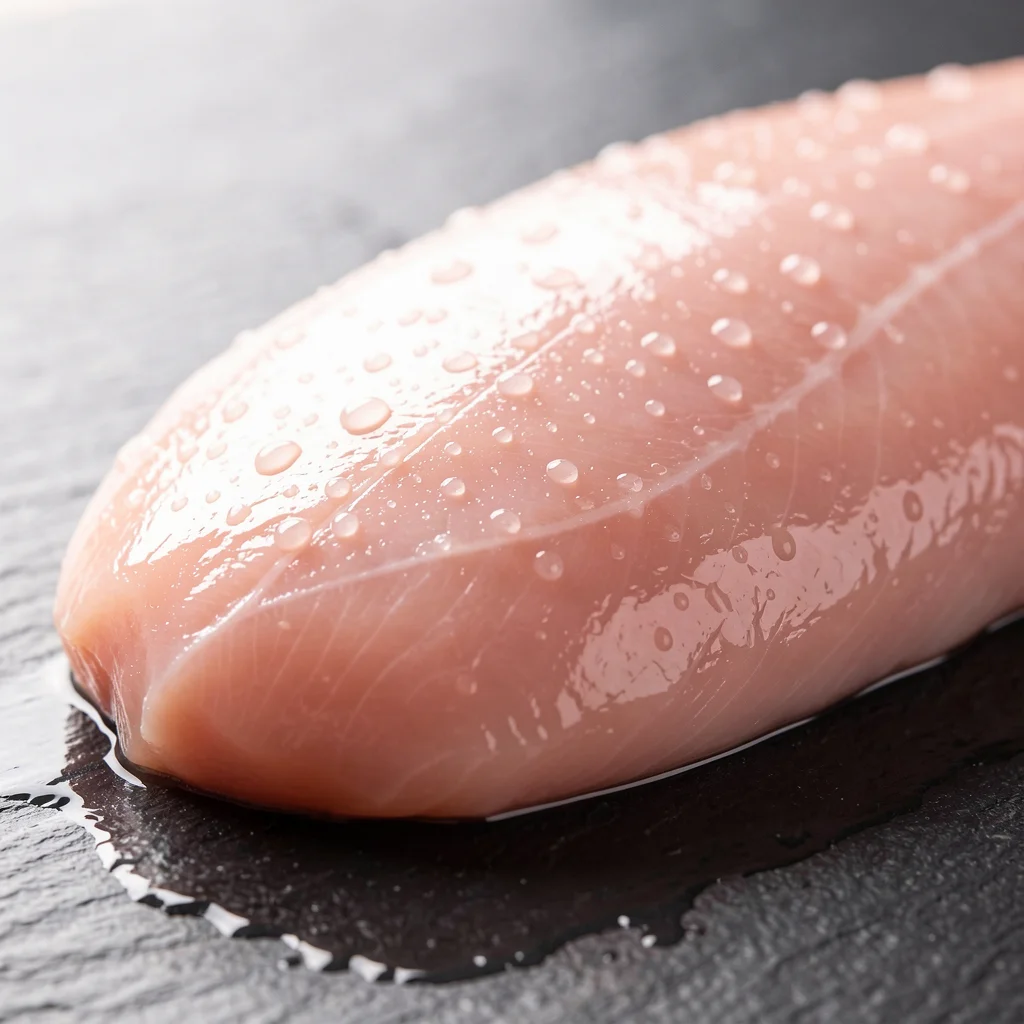
 107 kcal
 P 22.5g C 0g F 1.93g
The thick texture of whole milk yogurt isn't from added thickeners, but from a bacterial acid attack that unravels milk proteins into a microscopic net.
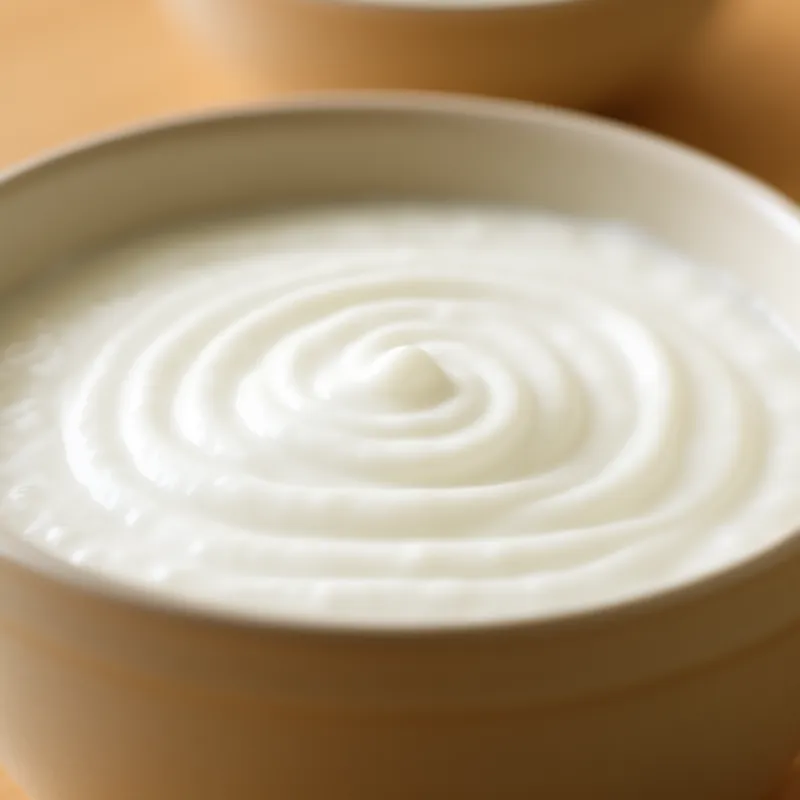
The transformation of liquid milk into a solid yogurt gel is a masterclass in microbial chemistry. When starter cultures—specifically Lactobacillus delbrueckii subsp. bulgaricus and Streptococcus thermophilus—are added to warm milk, they begin consuming lactose and excreting lactic acid. As this acid accumulates, the pH of the milk drops. Normally, casein proteins in milk carry a negative charge, causing them to repel one another and remain evenly dispersed. However, as the environment becomes more acidic, these negative charges are neutralized. Stripped of their repulsive force, the casein proteins unfold and bind together, forming a complex three-dimensional matrix. This microscopic net traps water molecules and milk fat globules in its pockets, giving whole milk yogurt its characteristic thick, spoonable texture. Because whole milk retains its natural fat content, the resulting gel is richer and more stable than its low-fat counterparts, as the fat globules physically disrupt the protein network just enough to create a creamier mouthfeel. This entire structural shift happens without any evaporation or added thickeners, relying purely on bacterial acidification.
Use plain whole milk yogurt as a meat marinade for chicken or beef; its lactic acid gently breaks down muscle fibers, tenderizing the protein without turning it mushy like highly acidic citrus marinades can. Store it in the coldest part of the refrigerator, not the door, to keep the live cultures dormant and prevent further souring. For a balanced breakfast, pair it with fresh berries and oats to add fiber, which slows the digestion of the yogurt's natural sugars.
Per 100g — daily values based on a 2,000 calorie diet
CalRay's AI recognizes yogurt and hundreds of thousands of other foods from a photo. No manual lookup needed.
Yogurt, plain, whole milk contains 78 calories per 100g. A standard serving of 1 RACC (170g) provides 133 calories. It is a moderate-calorie food that can fit into most healthy diets.
Yogurt, plain, whole milk provides 3.82g of protein per 100g, which is 8% of the 50g daily recommended value. It is not a primary protein source.
Yogurt, plain, whole milk contains 5.57g of carbohydrates per 100g .
Yogurt, plain, whole milk has 78 kcal per 100g, which is relatively moderate. It can fit into a weight-loss diet as long as portion sizes are managed.
The easiest way to track yogurt is with CalRay. Simply snap a photo of your meal and the AI will automatically identify the food and calculate calories and macros based on the estimated portion size — no manual lookup required. You can also search by name and adjust gram weight manually.
107 kcal 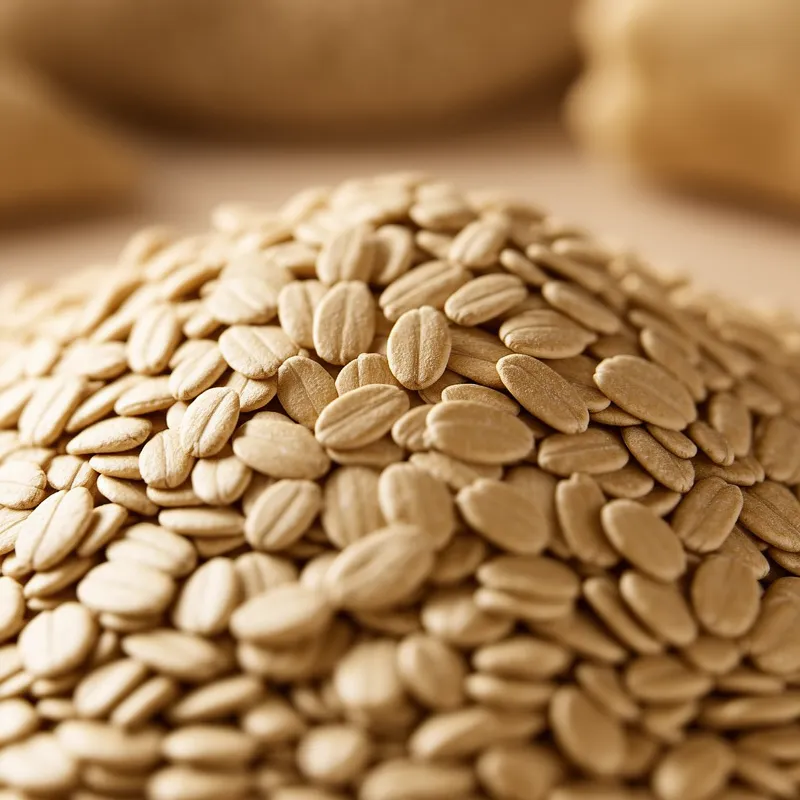 382 kcal
 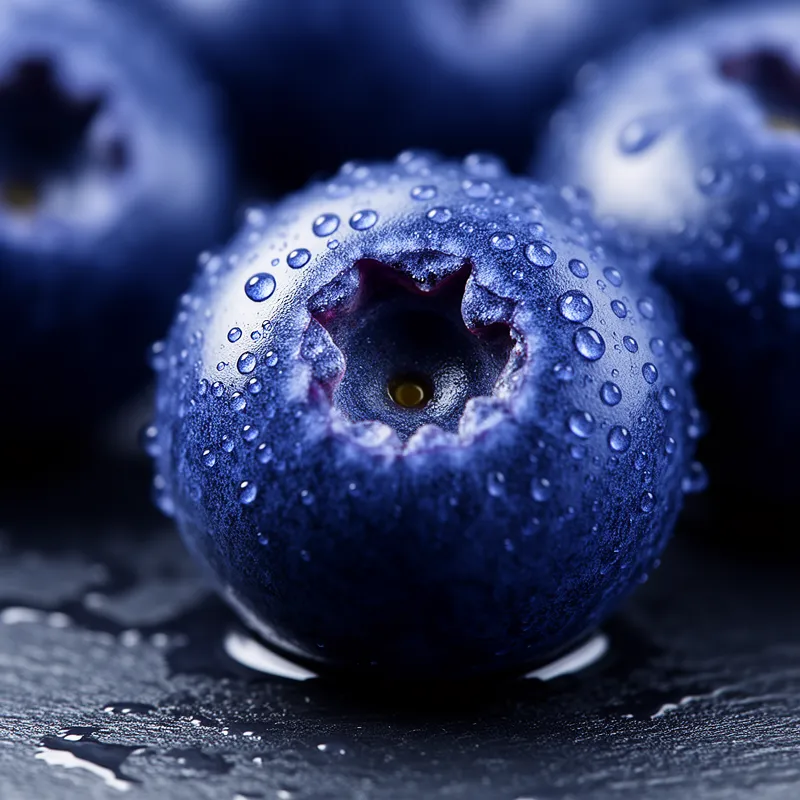 64 kcal