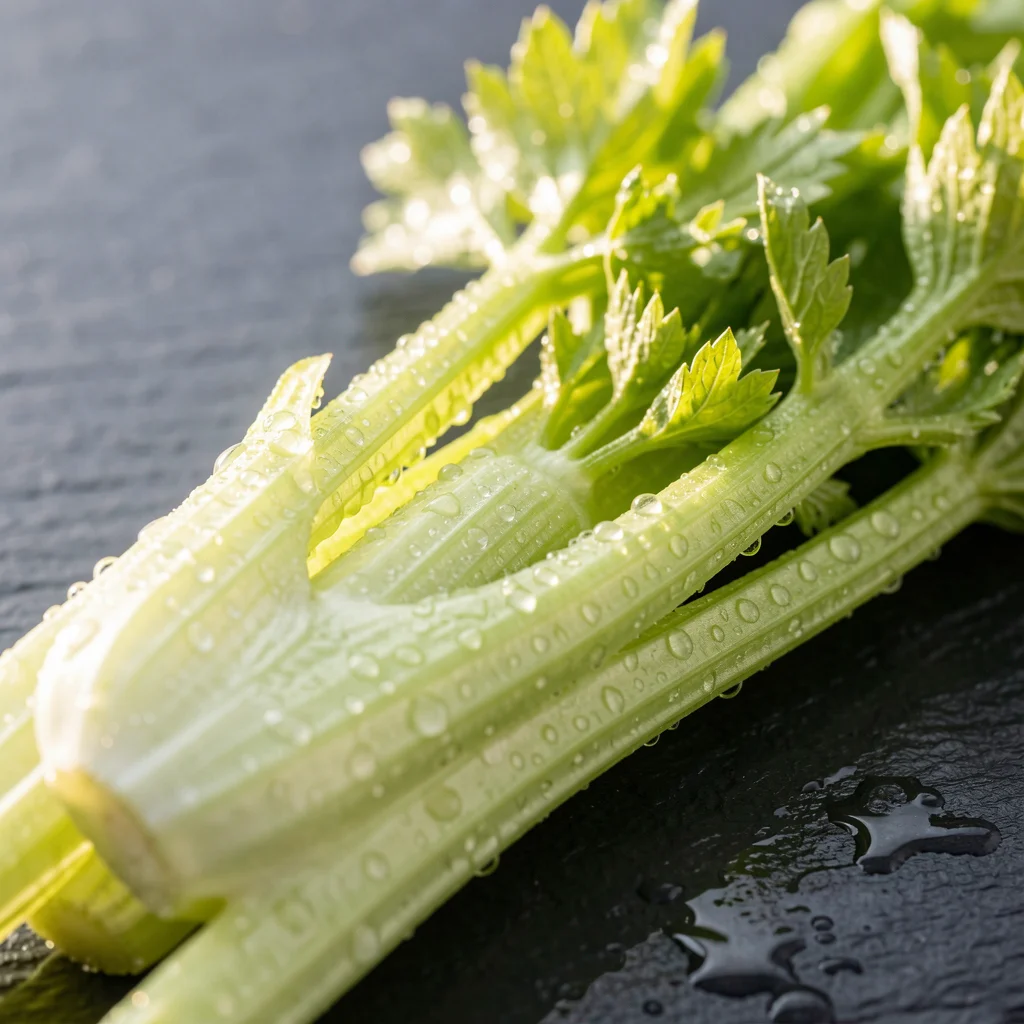
 17 kcal
 P 0.49g C 3.32g F 0.16g
Processing tomatoes into juice chemically alters their lycopene, making the antioxidant easier for your body to absorb than from raw tomatoes.
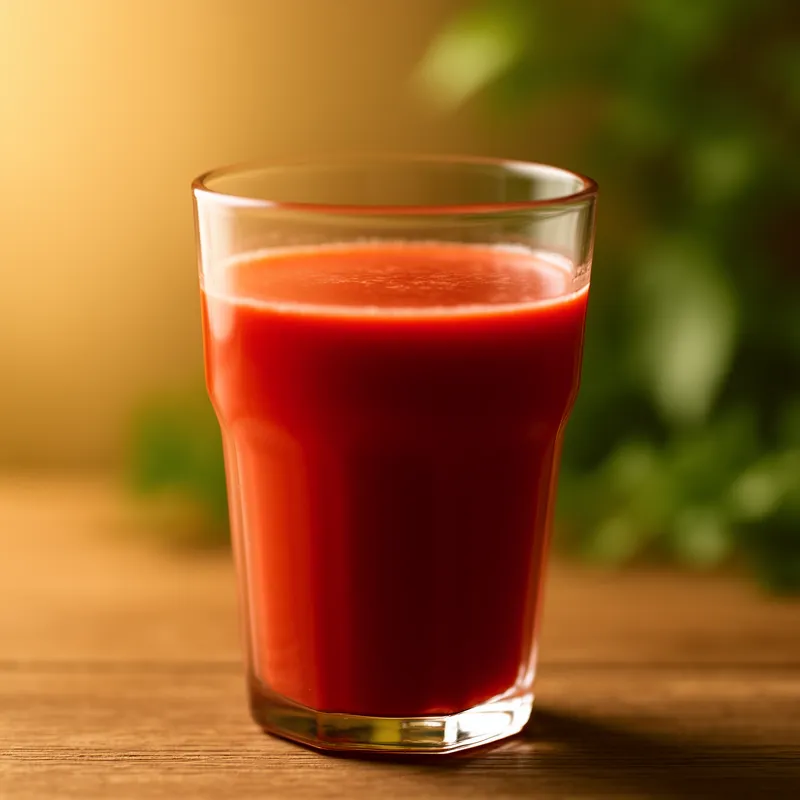
Lycopene is a carotenoid pigment responsible for the red color in tomatoes. In raw tomatoes, lycopene exists primarily in a trans-isomer form, which is tightly bound to the plant's cell structure and poorly absorbed by the human digestive tract. However, the mechanical and thermal processing involved in turning tomatoes into juice breaks down these cell walls and induces a structural shift, converting much of the trans-lycopene into the cis-isomer form. This cis-isomer is significantly more soluble in bile acids and easier for the human body to absorb. Consequently, a glass of tomato juice can deliver more bioavailable lycopene to your bloodstream than an equivalent weight of fresh, raw tomatoes. Additionally, the commercial canning process often uses ripe tomatoes at their peak, preserving the nutrient density for months. This means that shelf-stable tomato juice isn't just a convenient beverage; it is chemically optimized to deliver higher levels of antioxidants than its fresh counterpart, making it a rare case where processing actively enhances a food's nutritional profile.
When buying commercial tomato juice, opt for low-sodium versions to avoid excessive salt intake, or blend fresh Roma tomatoes in a high-speed blender and strain for a DIY version. Because tomato juice is rich in vitamin C and umami compounds, it makes an excellent base for savory vegetable smoothies or marinades. Pair it with a squeeze of citrus and a pinch of celery seed to enhance its natural acidity without adding salt. Store unopened cans in a cool pantry, and refrigerate for up to a week after opening to preserve the heat-sensitive vitamin C.
Per 100g — daily values based on a 2,000 calorie diet
CalRay's AI recognizes tomato juice and hundreds of thousands of other foods from a photo. No manual lookup needed.
Tomato juice contains 23 calories per 100g. It is considered a very low-calorie food (under 50 kcal/100g), making it excellent for weight management.
Tomato juice provides 0.86g of protein per 100g, which is 2% of the 50g daily recommended value. It is not a primary protein source.
Tomato juice contains 4.32g of carbohydrates per 100g .
Yes! Tomato juice is very low in calories (23 kcal/100g) and can be eaten in generous portions even on a calorie-restricted diet.
The easiest way to track tomato juice is with CalRay. Simply snap a photo of your meal and the AI will automatically identify the food and calculate calories and macros based on the estimated portion size — no manual lookup required. You can also search by name and adjust gram weight manually.
17 kcal 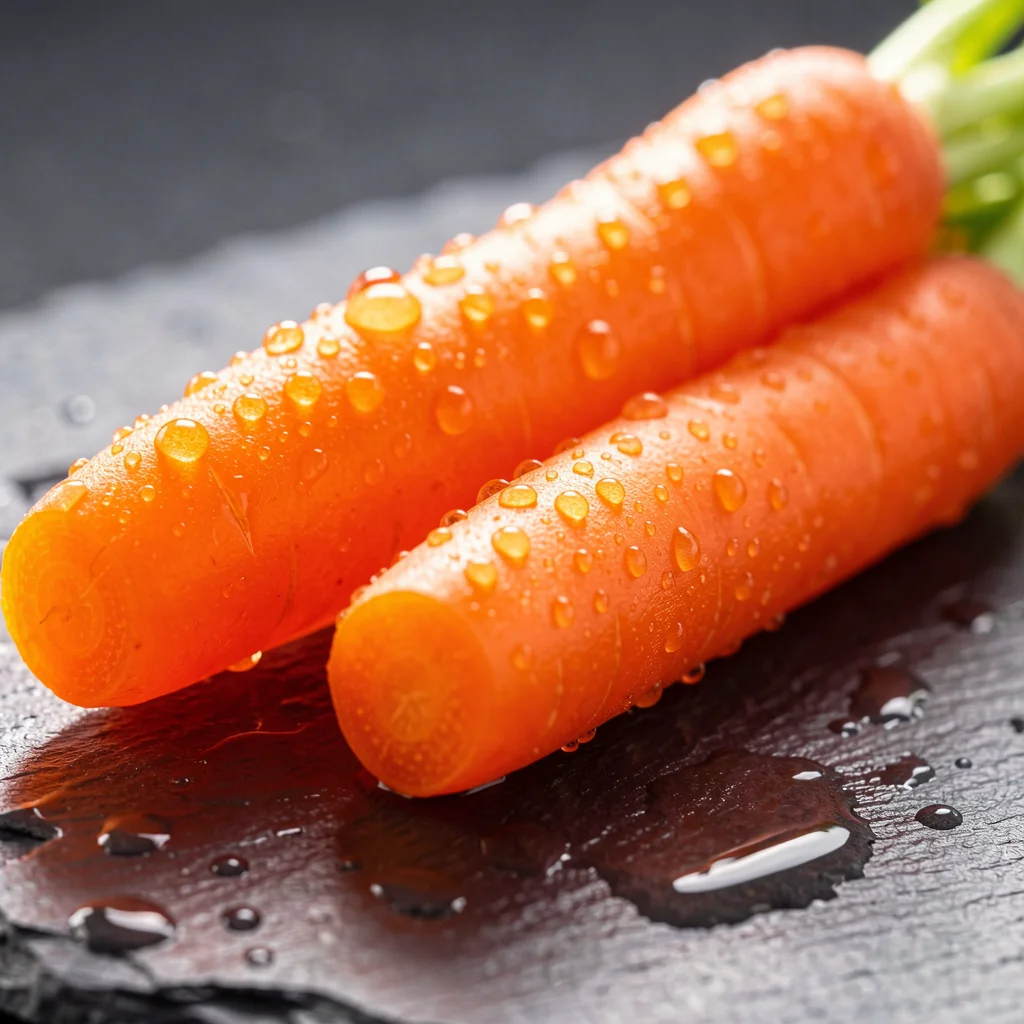 41 kcal
 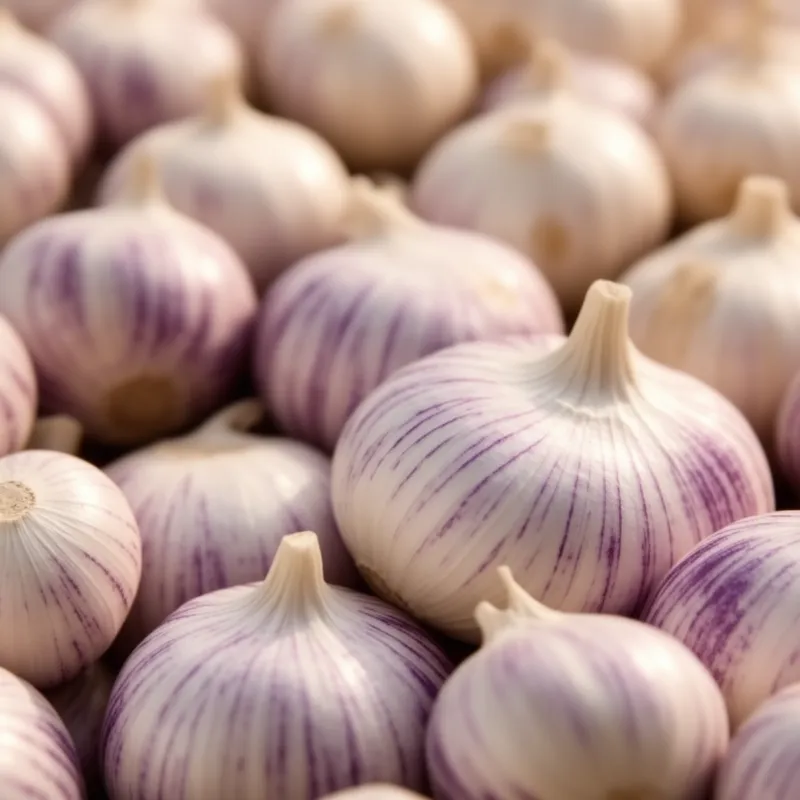 143 kcal