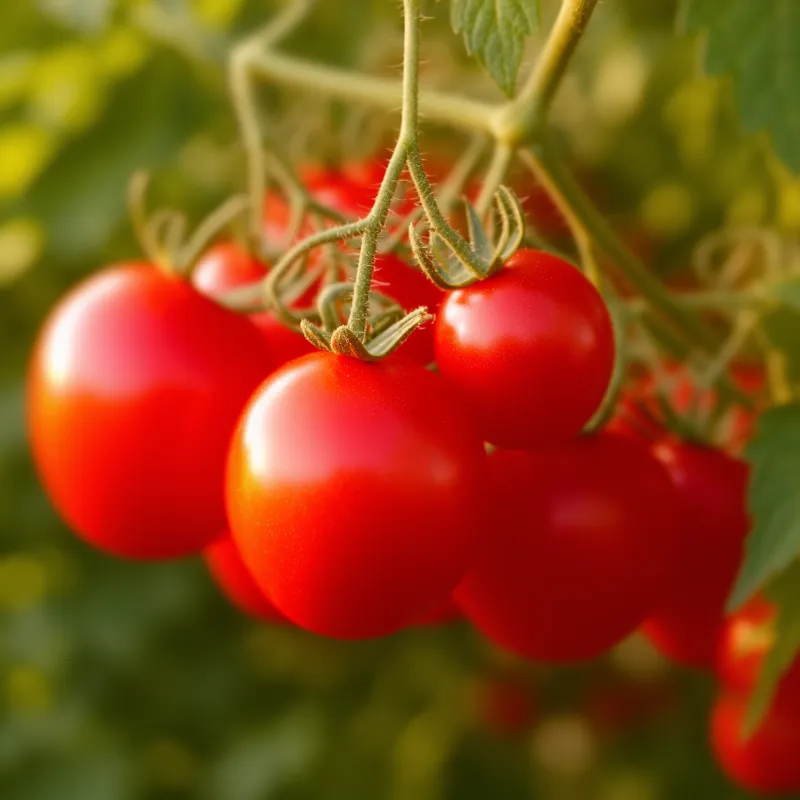
 27 kcal
 P 0.83g C 5.51g F 0.63g
The uncured predecessor to bacon relies on alternating layers of fat and muscle that physically melt during low-heat cooking.
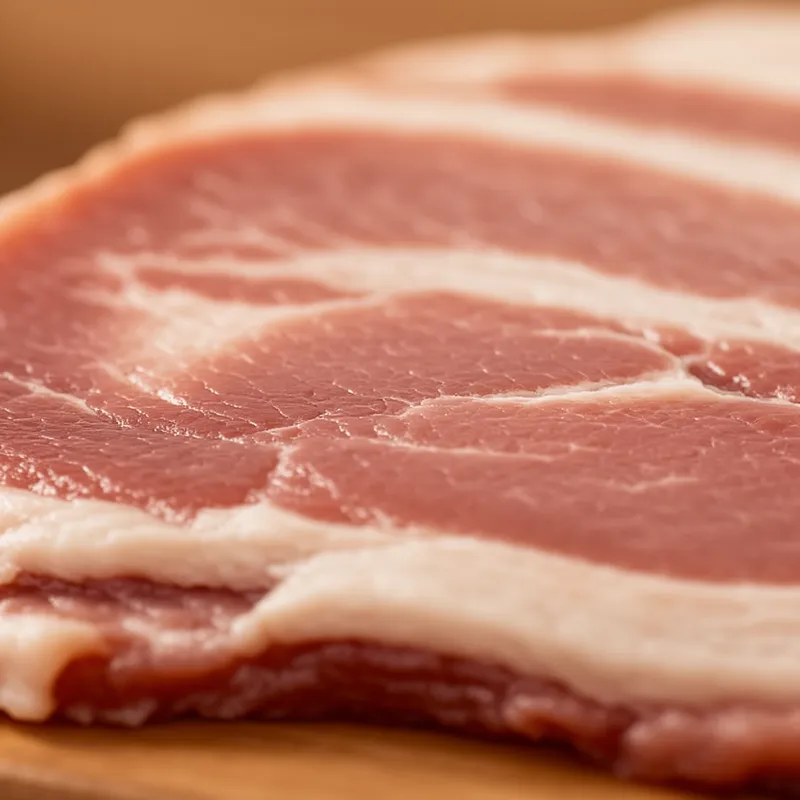
Pork belly consists of alternating layers of muscle and adipose tissue, creating a distinct striped appearance. When subjected to low, slow heat, the abundant collagen in the connective tissue between these layers hydrolyzes into gelatin, while the lipid cells rupture and render out. This specific biological layering is what gives the cut its signature tender interior and crisp exterior. Historically, preserving this fatty cut through curing and smoking gave rise to bacon, a method essential for survival before refrigeration. However, in many East Asian culinary traditions, pork belly has been braised for centuries, utilizing soy sauce and aromatics to break down the tough muscle fibers. If the skin is left intact, cooking at high temperatures triggers the Maillard reaction on the epidermis. The rapid dehydration of the skin's proteins causes it to puff and harden into a crackling. This transformation relies entirely on the precise water content of the skin and the rapid expansion of steam trapped beneath the surface layer.
To achieve the ideal texture, cook pork belly low and slow—braising in a liquid for two to three hours allows the fat to render and the collagen to break down. If you want crispy skin, score the surface, salt it heavily, and roast at a high temperature at the very end to dehydrate the epidermis. Pair it with acidic ingredients like tomatoes or vinegar-based pickles; the acid helps cut through the dense fat, making the heavy lipid profile easier to digest and balancing the richness on the palate.
Per 100g — daily values based on a 2,000 calorie diet
CalRay's AI recognizes pork belly and hundreds of thousands of other foods from a photo. No manual lookup needed.
Pork belly contains 380 calories per 100g. A standard serving of 1 RACC (26g) provides 99 calories. It is relatively calorie-dense, so portion control is important.
Pork belly provides 15.2g of protein per 100g, which is 30% of the 50g daily recommended value. It is a good source of protein.
Pork belly contains 0g of carbohydrates per 100g .
Pork belly has 380 kcal per 100g, so portions need to be monitored on a weight-loss diet. Use CalRay to track your intake accurately. Its high protein content (15.2g/100g) helps with satiety.
The easiest way to track pork belly is with CalRay. Simply snap a photo of your meal and the AI will automatically identify the food and calculate calories and macros based on the estimated portion size — no manual lookup required. You can also search by name and adjust gram weight manually.
27 kcal 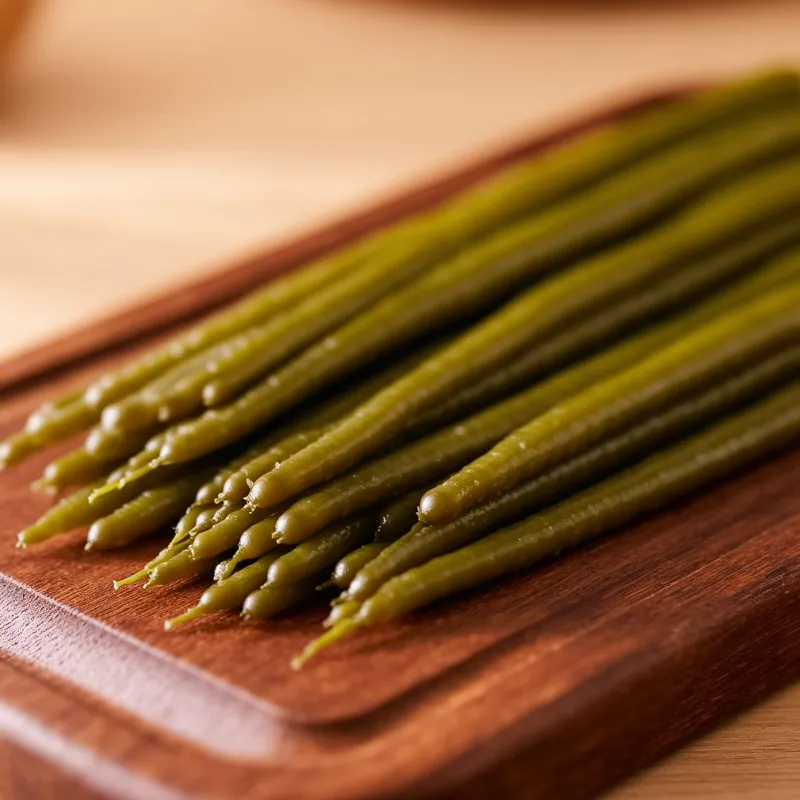 12 kcal
 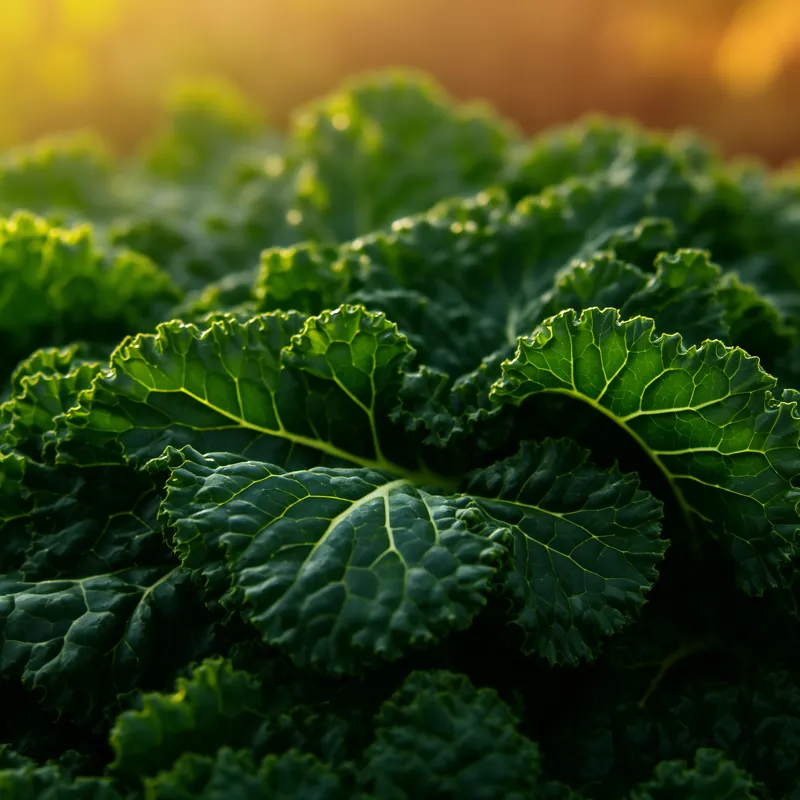 35 kcal