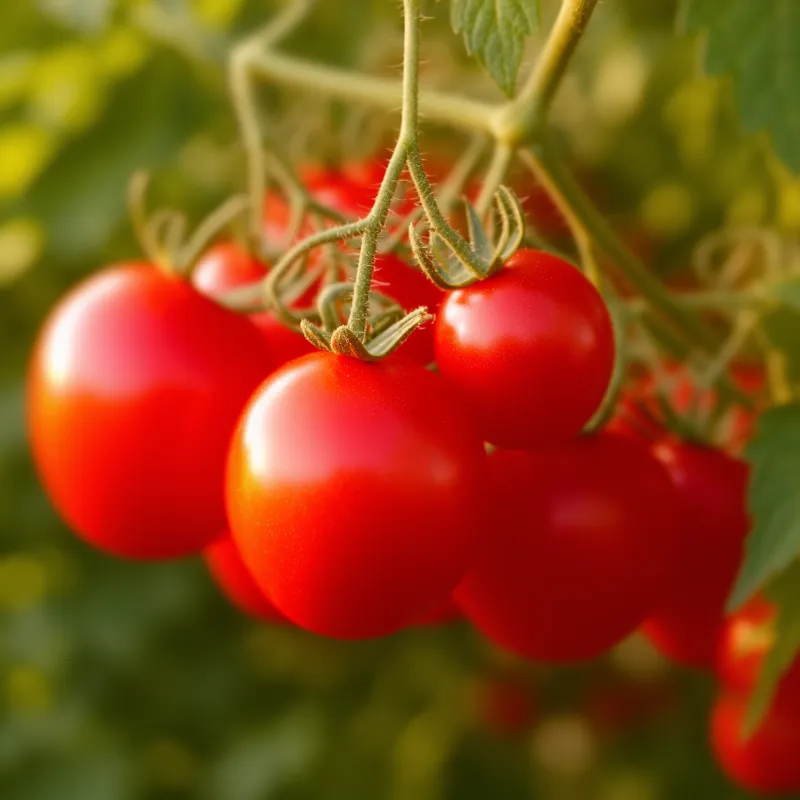
 27 kcal
 P 0.83g C 5.51g F 0.63g
A jalapeño's smaller, hotter cousin that stores its fire in white pith rather than seeds.
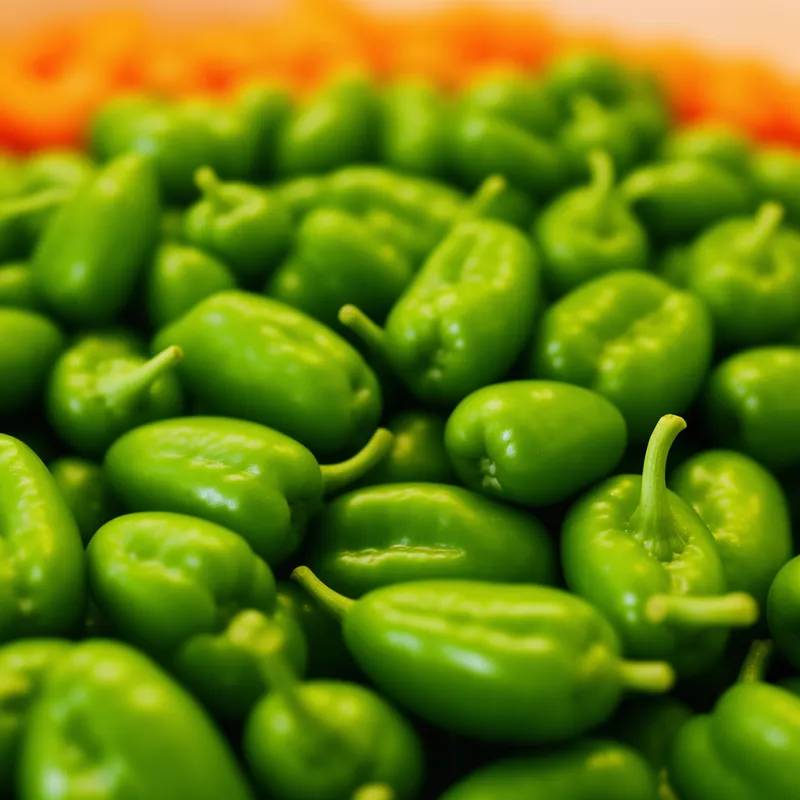
The serrano pepper's name comes from the Spanish 'sierra,' meaning mountain, reflecting its origins in the mountainous regions of Puebla and Hidalgo, Mexico. Despite being smaller than the more familiar jalapeño—typically just 5 to 8 centimeters long—serranos measure 10,000 to 25,000 on the Scoville Heat Unit scale, compared to a jalapeño's 2,500 to 8,000. The common practice of seeding hot peppers to reduce heat works not because the seeds themselves are spicy, but because the real source of capsaicin is the placenta—the pale, spongy tissue lining the pepper's interior that holds the seeds in place. Capsaicin is synthesized in gland cells on the placenta's surface and accumulates in blisters there. When you scrape out the seeds, you inevitably remove much of this placental tissue, lowering the pepper's effective heat. The seeds, which contain no capsaicin-producing glands, taste hot only because they brush against the capsaicin-laden placenta during growth. Serranos belong to Capsicum annuum, the same species as bell peppers and jalapeños, and like all capsicum peppers, they originated in the Americas.
To control heat, slice lengthwise and scrape the placental ribs with a spoon before mincing. Use raw in pico de gallo or salsa verde for bright, grassy heat. Serranos pair naturally with tomatoes, onions, and garlic—the Mexican aromatic base. Because capsaicin is fat-soluble, briefly cooking serranos in oil tempers their burn and distributes flavor evenly. Store unwashed peppers in a paper bag in the refrigerator crisper for up to two weeks. Wear gloves when handling to avoid transferring capsaicin to skin and eyes.
Per 100g — daily values based on a 2,000 calorie diet
CalRay's AI recognizes peppers and hundreds of thousands of other foods from a photo. No manual lookup needed.
Peppers, serrano, seeded contains 29 calories per 100g. It is considered a very low-calorie food (under 50 kcal/100g), making it excellent for weight management.
Peppers, serrano, seeded provides 0.86g of protein per 100g, which is 2% of the 50g daily recommended value. It is not a primary protein source.
Peppers, serrano, seeded contains 6.14g of carbohydrates per 100g . It also provides 2.52g of dietary fiber.
Yes! Peppers, serrano, seeded is very low in calories (29 kcal/100g) and can be eaten in generous portions even on a calorie-restricted diet.
The easiest way to track peppers is with CalRay. Simply snap a photo of your meal and the AI will automatically identify the food and calculate calories and macros based on the estimated portion size — no manual lookup required. You can also search by name and adjust gram weight manually.
27 kcal 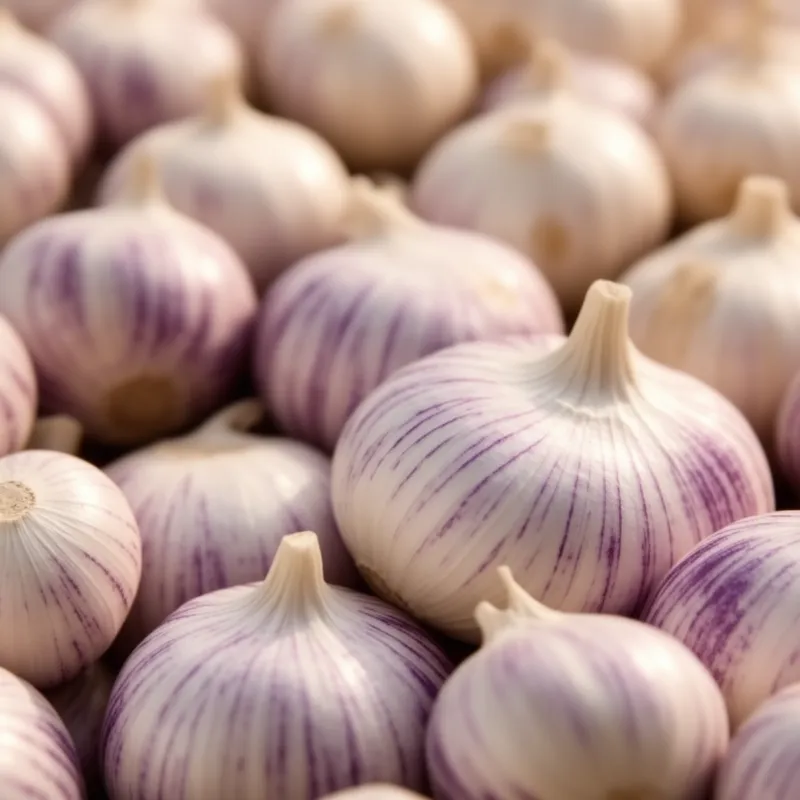 143 kcal
  35 kcal