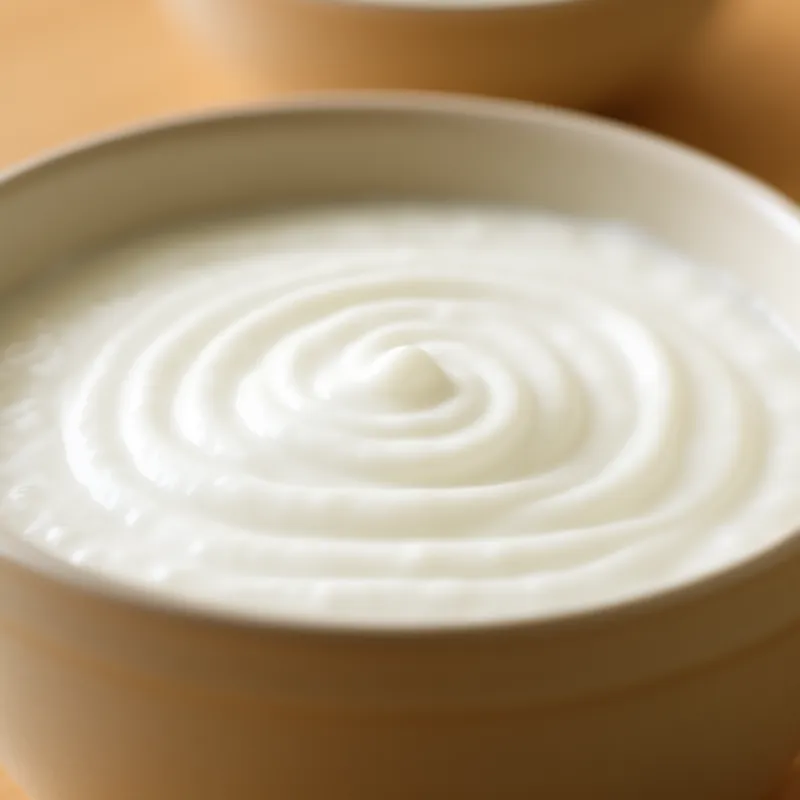
 61 kcal
 P 10.3g C 3.64g F 0.37g
Stripping out the pulp removes nearly all the fiber, turning this natural fruit into a rapidly absorbed sugar source.
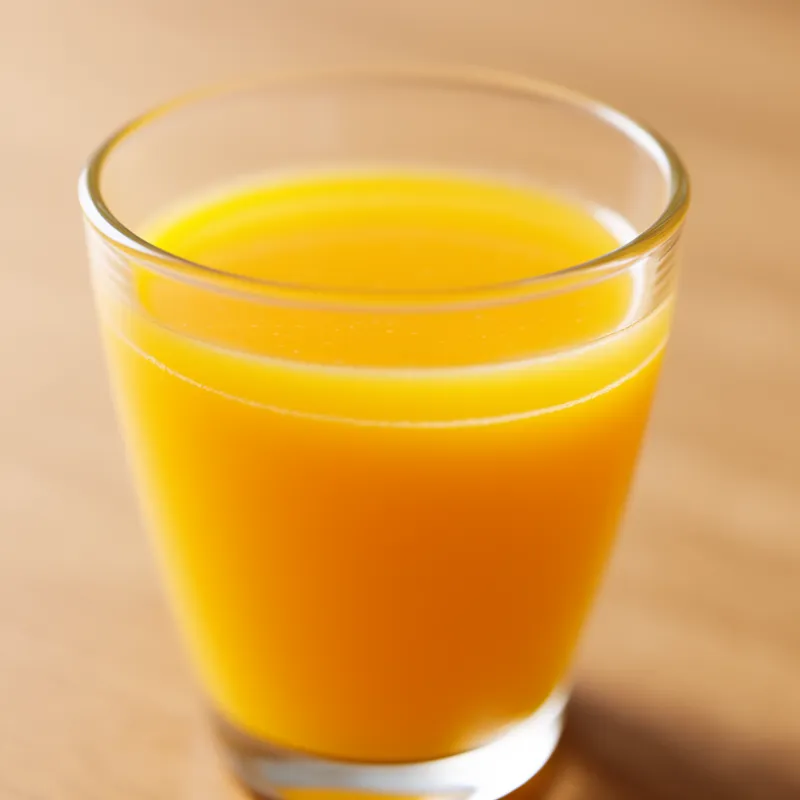
When oranges are squeezed for "not from concentrate" juice, the resulting liquid undergoes a rapid pasteurization process to kill pathogens and deactivate enzymes that cause spoilage. However, removing the pulp strips away more than just texture. The majority of an orange's beneficial flavonoids, particularly hesperidin, are concentrated in the albedo—the spongy white pith—and the juice sacs. By filtering these out, no-pulp juice retains the water-soluble vitamin C but loses much of the lipid-lowering antioxidant capacity found in whole fruit. Additionally, to preserve the remaining vitamin C during storage, manufacturers often use a vacuum process called deaeration. Squeezing introduces oxygen into the liquid, and trapped oxygen rapidly degrades ascorbic acid and alters flavor compounds. By pulling a vacuum, dissolved gases are removed, extending shelf life without the need for additional preservatives. This means the bright, acidic flavor of commercial no-pulp juice is as much a product of industrial engineering as it is of agriculture.
Because no-pulp orange juice is low in fiber and protein, its natural sugars can cause a rapid blood sugar spike. To blunt this effect, pair a small glass with a protein-rich breakfast like Greek yogurt or eggs. The vitamin C in the juice also enhances the absorption of non-heme iron, making it an excellent accompaniment to iron-rich plant foods like spinach or lentils. Store unopened containers in a cool, dark place, and refrigerate immediately after opening to preserve the remaining vitamin C.
Per 100g — daily values based on a 2,000 calorie diet
CalRay's AI recognizes orange juice and hundreds of thousands of other foods from a photo. No manual lookup needed.
Orange juice, no pulp, not fortified, not from concentrate contains 46 calories per 100g. It is considered a very low-calorie food (under 50 kcal/100g), making it excellent for weight management.
Orange juice, no pulp, not fortified, not from concentrate provides 0.81g of protein per 100g, which is 2% of the 50g daily recommended value. It is not a primary protein source.
Orange juice, no pulp, not fortified, not from concentrate contains 10g of carbohydrates per 100g .
Yes! Orange juice, no pulp, not fortified, not from concentrate is very low in calories (46 kcal/100g) and can be eaten in generous portions even on a calorie-restricted diet.
The easiest way to track orange juice is with CalRay. Simply snap a photo of your meal and the AI will automatically identify the food and calculate calories and macros based on the estimated portion size — no manual lookup required. You can also search by name and adjust gram weight manually.
61 kcal 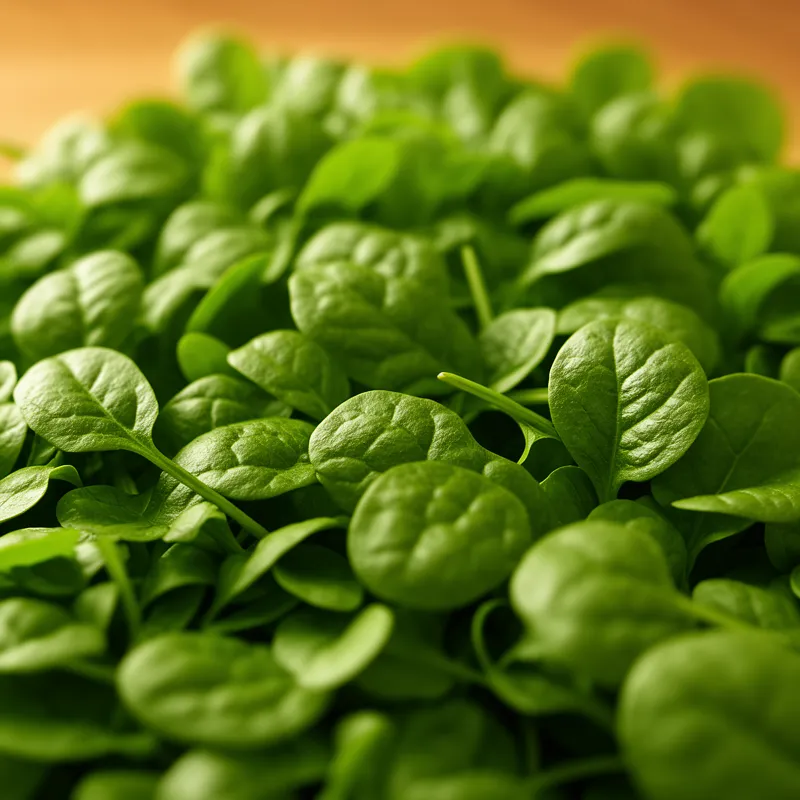 27 kcal
 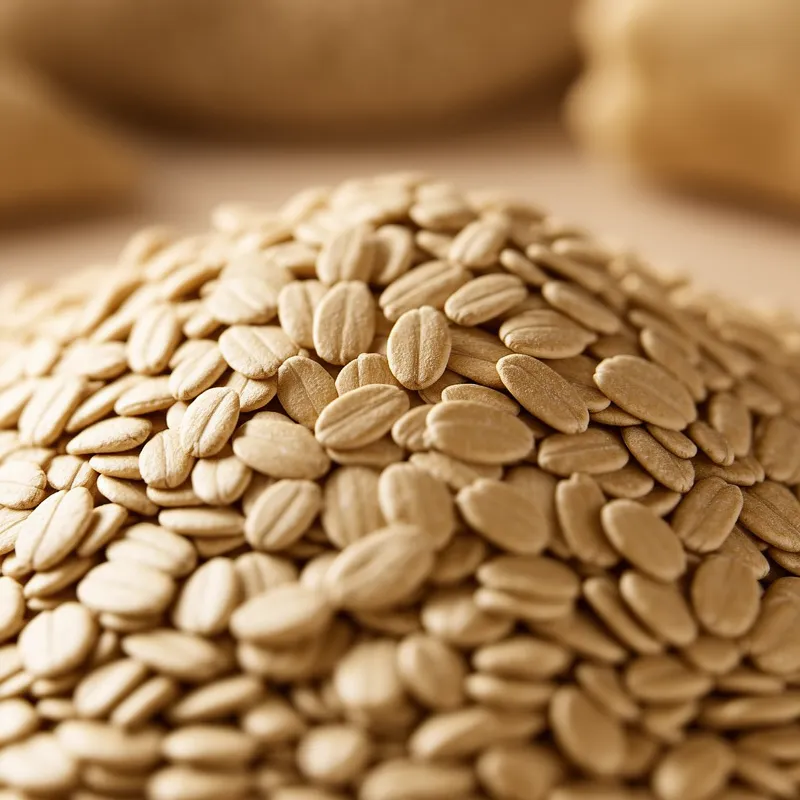 382 kcal