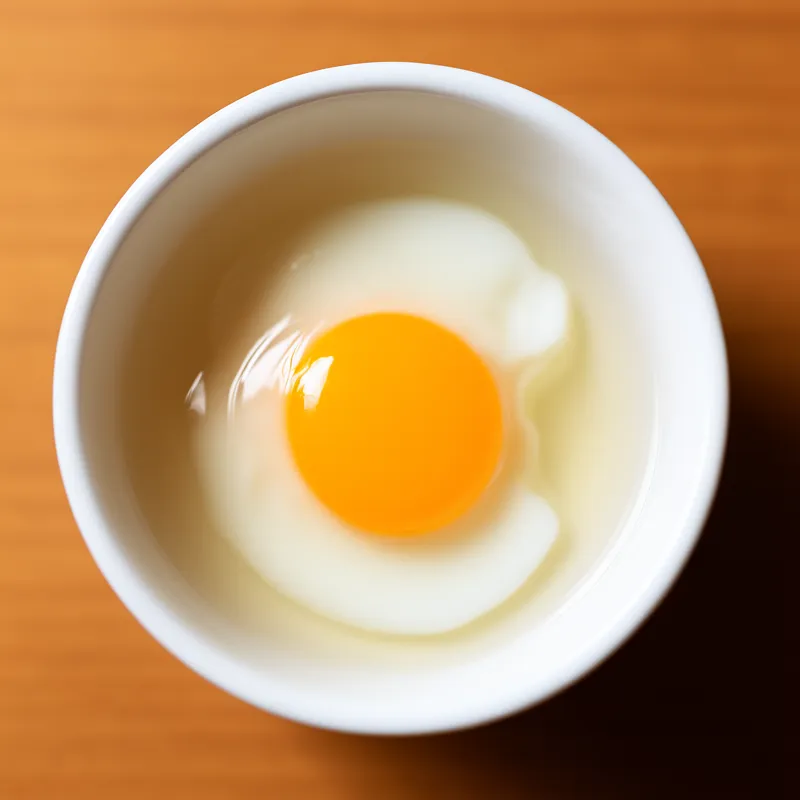
 148 kcal
 P 12.4g C 0.96g F 9.96g
True scallions belong to a species that never forms a bulb, no matter how long you let them grow.
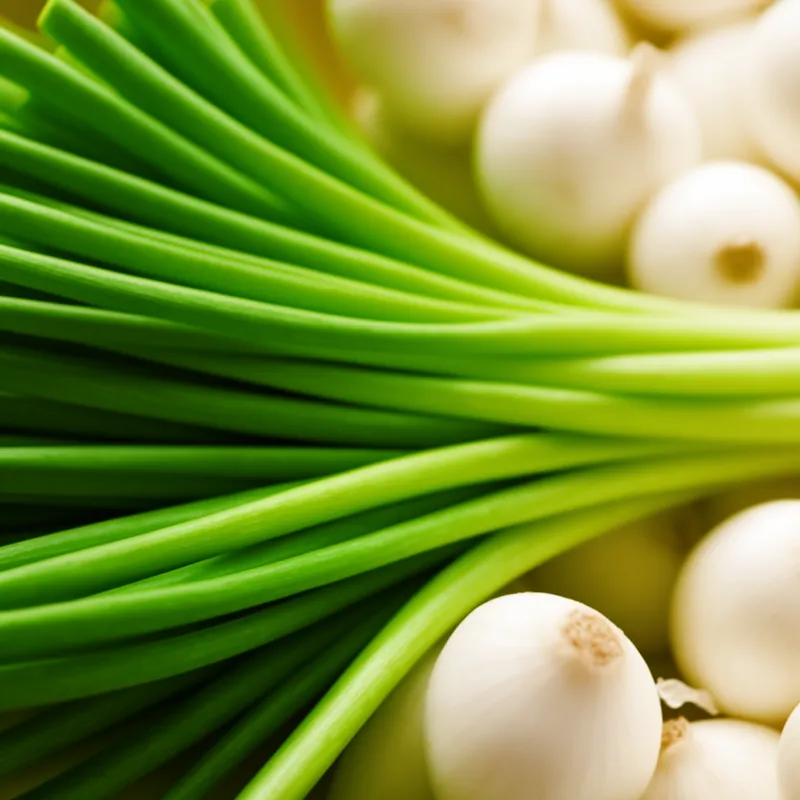
Most green onions sold in American supermarkets are simply bulb onions (Allium cepa) pulled from the ground before their bulbs swell. But true scallions — the variety that culinary traditions in East Asia have cultivated for centuries — belong to a separate species called Allium fistulosum, commonly known as the Japanese bunching onion. Unlike A. cepa, A. fistulosum genetically lacks the mechanism to form a swollen storage bulb; it will always produce straight, uniform stalks no matter how long it grows. This is why scallions in Chinese and Japanese markets tend to look more uniform and slightly sturdier than the supermarket green onions that often show a small bulge at the base. Nutritionally, the two halves of a scallion are surprisingly different. The green tops, exposed to sunlight, produce chlorophyll and accumulate fat-soluble vitamins — particularly vitamin K, which is nearly absent in the white stalk. The white base, by contrast, concentrates the organosulfur compounds responsible for the characteristic allium pungency. These sulfur compounds, including diallyl sulfides, are the same class of molecules that give garlic and onions their studied cardioprotective and antimicrobial properties, just in milder concentrations.
Slice scallions thinly on a sharp bias to maximize surface area for flavor release in stir-fries and garnishes. Add the whites early in cooking to mellow their pungency, then toss in the greens at the end to preserve their delicate, slightly grassy notes and heat-sensitive vitamins. Store them upright in a glass with an inch of water in the refrigerator, loosely covered, to keep them crisp for over a week. Pair them with eggs and mushrooms — the sulfur compounds in scallions complement the umami in both.
Per 100g — daily values based on a 2,000 calorie diet
CalRay's AI recognizes green onion and hundreds of thousands of other foods from a photo. No manual lookup needed.
Green onion, (scallion), bulb and greens, root removed contains 32 calories per 100g. A standard serving of 1 RACC (85g) provides 27 calories. It is considered a very low-calorie food (under 50 kcal/100g), making it excellent for weight management.
Green onion, (scallion), bulb and greens, root removed provides 0.67g of protein per 100g, which is 1% of the 50g daily recommended value. It is not a primary protein source.
Green onion, (scallion), bulb and greens, root removed contains 7.34g of carbohydrates per 100g . It also provides 2.3g of dietary fiber.
Yes! Green onion, (scallion), bulb and greens, root removed is very low in calories (32 kcal/100g) and can be eaten in generous portions even on a calorie-restricted diet.
The easiest way to track green onion is with CalRay. Simply snap a photo of your meal and the AI will automatically identify the food and calculate calories and macros based on the estimated portion size — no manual lookup required. You can also search by name and adjust gram weight manually.
148 kcal 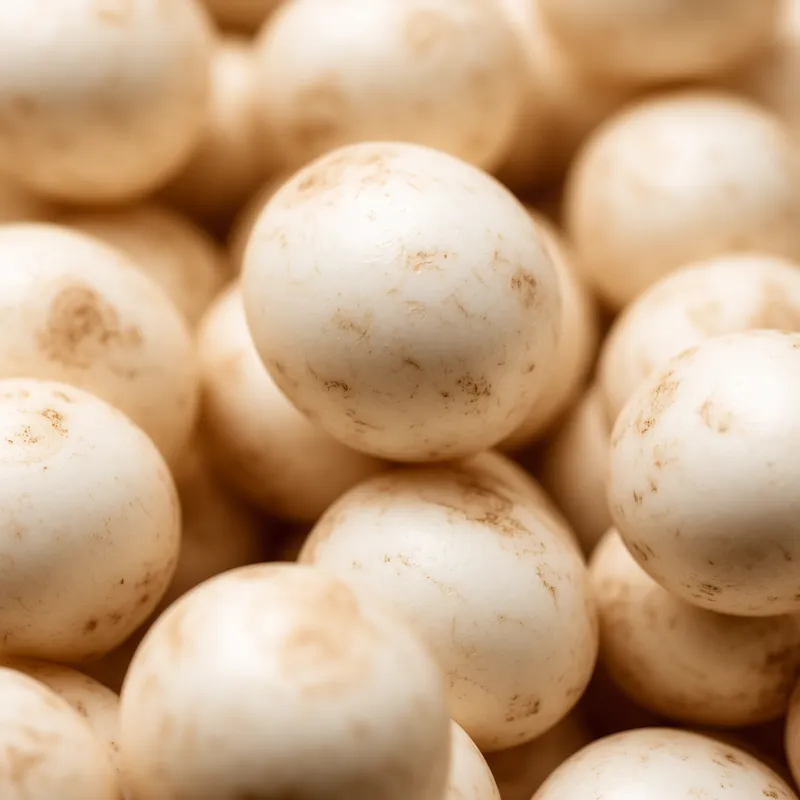 31 kcal
 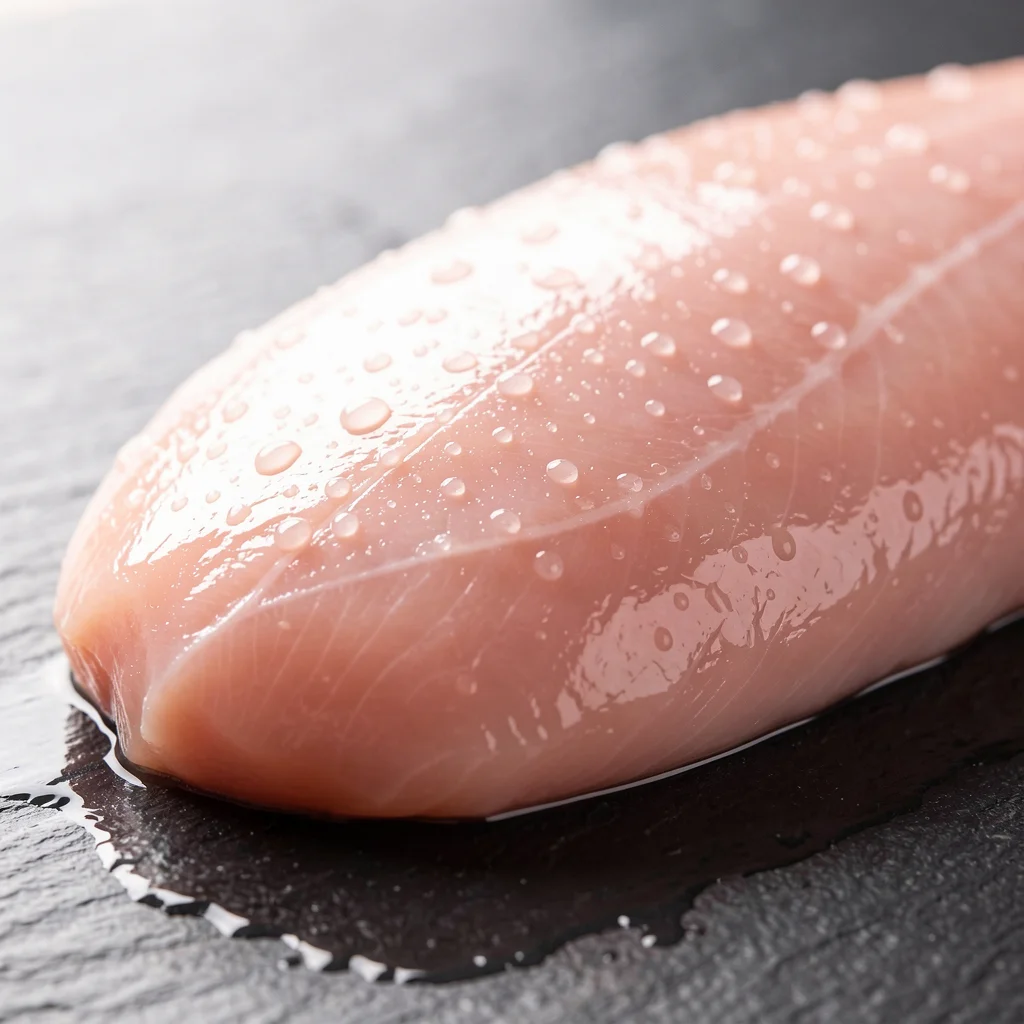 107 kcal