 28 kcal
 P 2.91g C 2.64g F 0.6g
Nature's most bioavailable protein comes packaged in a clear, viscous liquid that is over 90% water.
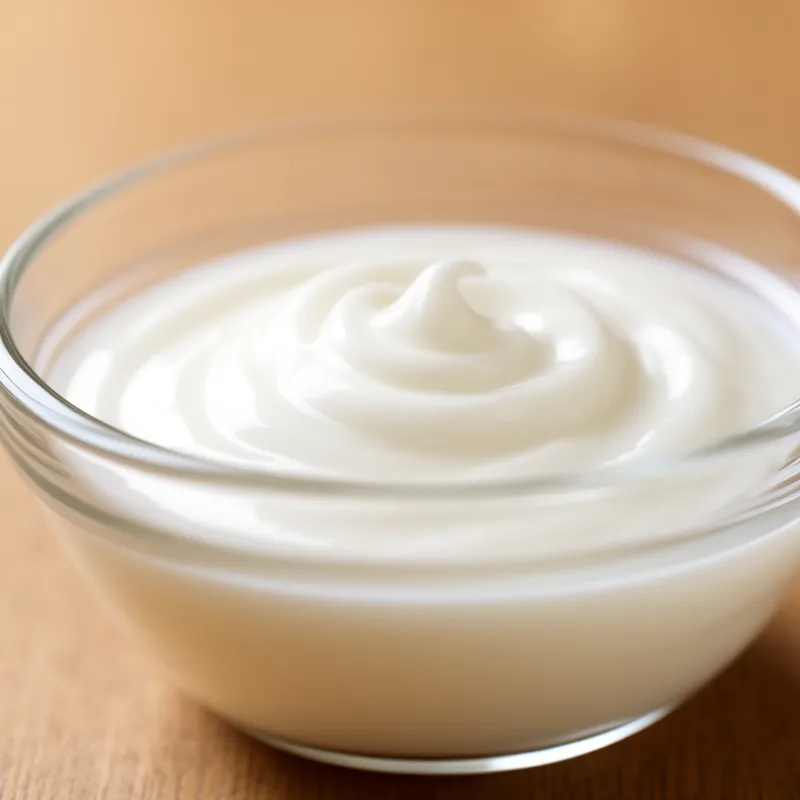
Egg whites are a marvel of natural biochemistry, consisting of roughly 90% water and 10% protein. The primary protein, ovalbumin, accounts for more than half of this protein content, but it is the presence of lysozyme that makes the egg white biologically fascinating. Lysozyme is a naturally occurring antibacterial enzyme that actively breaks down the cell walls of certain Gram-positive bacteria, serving as a chemical defense system to protect the developing yolk and embryo from infection. When you whip egg whites, you are exploiting another unique property of these proteins: denaturation. The mechanical force of whipping causes the tightly folded protein chains to unfold, exposing hydrophobic and hydrophilic regions. These unfolded proteins then rearrange themselves around tiny air bubbles, coagulating into a stable, structural foam. This is why raw egg whites can be whipped into towering meringues. Adding a mild acid, such as cream of tartar, lowers the pH of the mixture, which prevents the proteins from bonding too tightly and squeezing out water, resulting in a much more stable and glossy foam.
When separating eggs, ensure no yolk contaminates the whites, as even a trace of fat will inhibit foaming. For maximum volume in meringues or soufflés, use room-temperature egg whites, as warmth relaxes the proteins and allows them to unfold more easily. Add a pinch of cream of tartar during whipping to stabilize the foam. Because they lack fat and flavor-carrying compounds, egg whites pair well with robust ingredients like spinach or cheese in omelets, allowing you to increase protein volume without adding dietary cholesterol.
Per 100g — daily values based on a 2,000 calorie diet
CalRay's AI recognizes egg and hundreds of thousands of other foods from a photo. No manual lookup needed.
Egg, white contains 48 calories per 100g. A standard serving of 1 oz (28.4g) provides 14 calories. It is considered a very low-calorie food (under 50 kcal/100g), making it excellent for weight management.
Egg, white provides 10.1g of protein per 100g, which is 20% of the 50g daily recommended value. It is a good source of protein.
Egg, white contains 0.74g of carbohydrates per 100g .
Yes! Egg, white is very low in calories (48 kcal/100g) and can be eaten in generous portions even on a calorie-restricted diet.
The easiest way to track egg is with CalRay. Simply snap a photo of your meal and the AI will automatically identify the food and calculate calories and macros based on the estimated portion size — no manual lookup required. You can also search by name and adjust gram weight manually.
28 kcal  273 kcal
  27 kcal