 84 kcal
 P 2.27g C 17.8g F 0.36g
Sour cream's signature tang comes from lactic acid bacteria fermenting dairy sugars into a naturally thickened, protein-crosslinked gel.
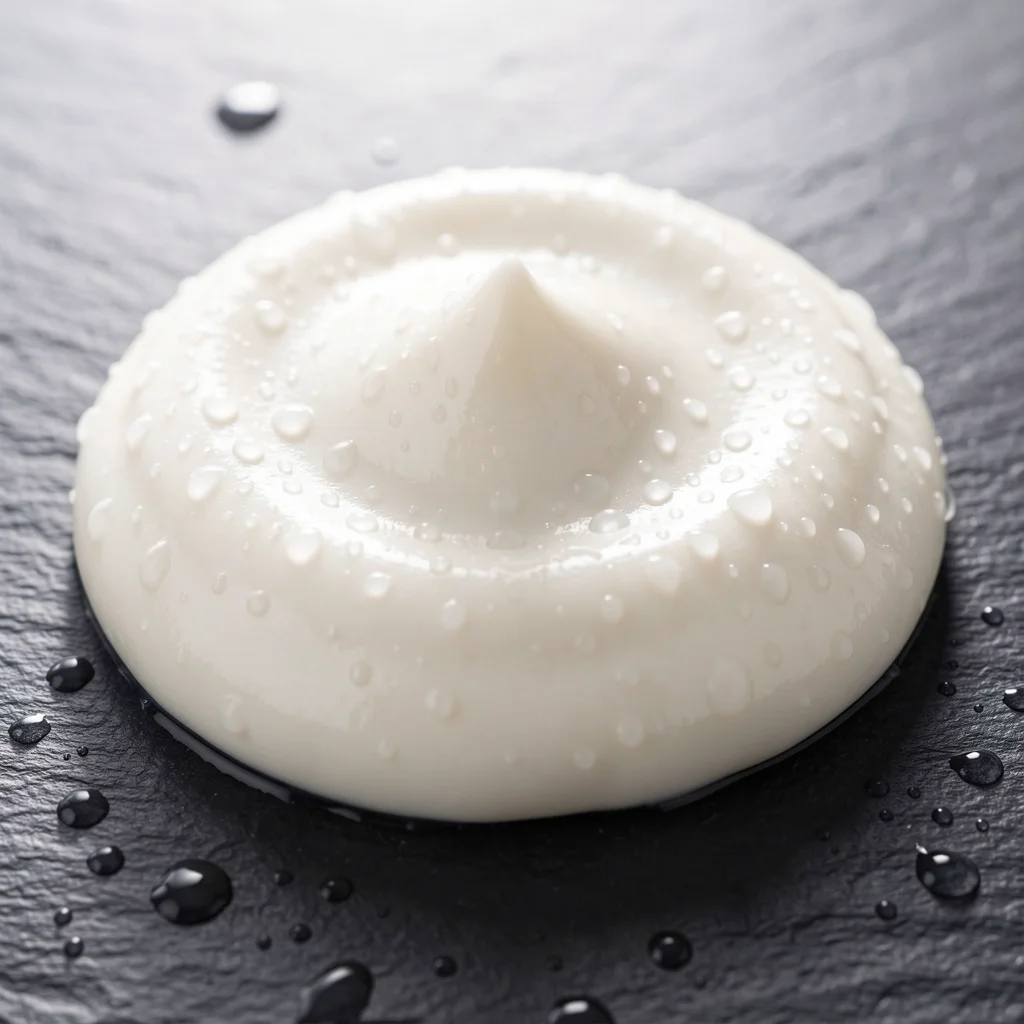
Sour cream is the result of a fascinating microbial process called lactic acid fermentation. When specific lactic acid bacteria, such as Lactococcus lactis, are introduced to pasteurized cream, they consume lactose and excrete lactic acid. This drop in pH does more than just create the characteristic tart flavor; it fundamentally alters the physical structure of the cream. As the environment becomes more acidic, the casein proteins in the milk lose their negative charge and unfold, forming a delicate three-dimensional network that traps water and fat globules. This natural crosslinking is what gives sour cream its thick, spoonable texture without the need for artificial thickeners, though commercial varieties often add stabilizers like guar gum to extend shelf life. Historically, this fermentation was a practical method for preserving milk's nutritional value before refrigeration, as the acidic environment naturally inhibits the growth of spoilage organisms. Full-fat sour cream retains a high percentage of milkfat, which coats the tongue and mellows the sharpness of the lactic acid, resulting in a rich, balanced flavor profile that low-fat versions often struggle to replicate.
When cooking with full-fat sour cream, stir it into dishes off the heat to prevent the acid-coagulated proteins from curdling. If adding to a hot sauce or soup, temper it first by gradually whisking in small amounts of the hot liquid. Its high fat content makes it an excellent base for rich dips or baked goods, where it tenderizes gluten strands in cakes and muffins. Store it upside down in the refrigerator to create a vacuum seal that keeps surface mold at bay.
Per 100g — daily values based on a 2,000 calorie diet
CalRay's AI recognizes cream and hundreds of thousands of other foods from a photo. No manual lookup needed.
Cream, sour, full fat contains 197 calories per 100g. A standard serving of 1 RACC (30g) provides 59 calories. It is relatively calorie-dense, so portion control is important.
Cream, sour, full fat provides 3.07g of protein per 100g, which is 6% of the 50g daily recommended value. It is not a primary protein source.
Cream, sour, full fat contains 5.56g of carbohydrates per 100g .
Cream, sour, full fat has 197 kcal per 100g, so portions need to be monitored on a weight-loss diet. Use CalRay to track your intake accurately.
The easiest way to track cream is with CalRay. Simply snap a photo of your meal and the AI will automatically identify the food and calculate calories and macros based on the estimated portion size — no manual lookup required. You can also search by name and adjust gram weight manually.
84 kcal  245 kcal
  27 kcal