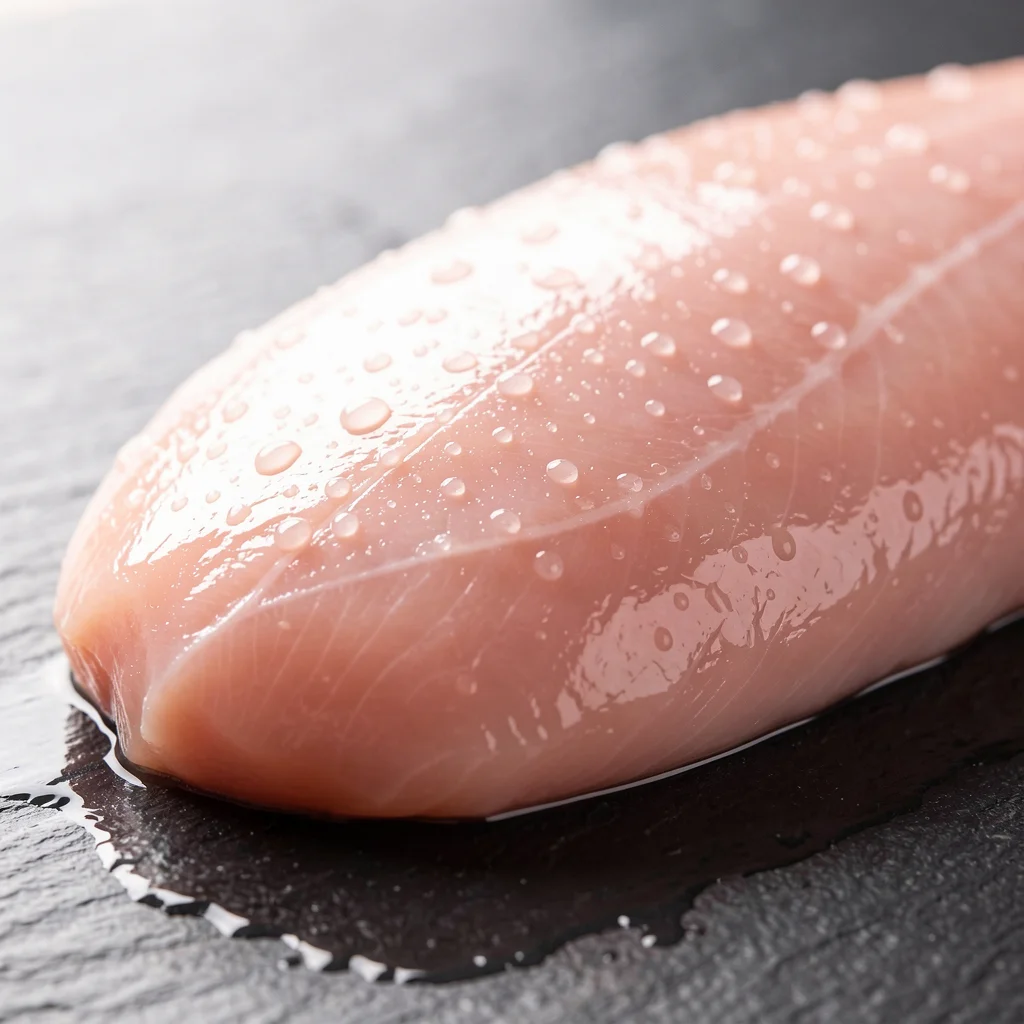
 107 kcal
 P 22.5g C 0g F 1.93g
A legume that buries its own pods underground after flowering above ground.
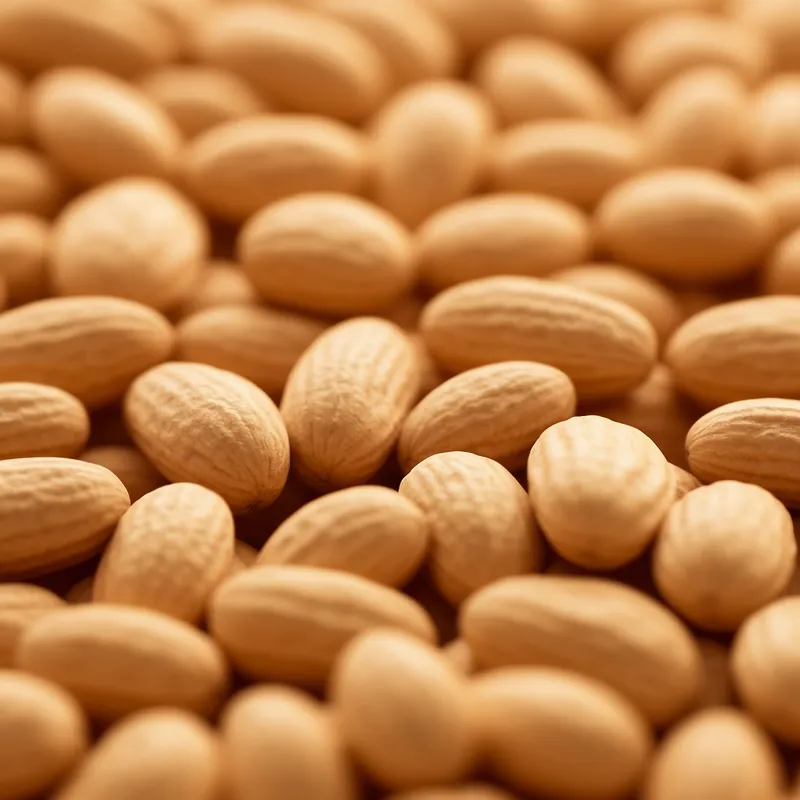
Peanuts are not nuts at all—they are legumes, botanically closer to lentils and chickpeas than to walnuts or pecans. What makes them genuinely unusual is a reproductive process called geocarpy. After the peanut plant's yellow flowers are self-pollinated above ground, the fertilized ovary elongates into a structure called a peg, which bends downward and pushes several centimeters into the soil. Only underground, in darkness, does the peg develop into the familiar pod containing the seeds we eat. This subterranean fruiting is rare among major crop plants. Peanuts also accumulate resveratrol—the same antioxidant associated with red wine—in their skins, at levels comparable to or exceeding those in grapes. The plant (Arachis hypogaea) originated in South America, likely in the foothills of the Andes in what is now Bolivia or northern Argentina, and was spread worldwide by European colonists and African agricultural traditions, becoming a staple across West Africa, India, China, and the American South.
Store raw peanuts in an airtight container in a cool, dark place for up to a few months, or refrigerate to prevent their high fat content from going rancid. Roasting at 350°F for 15–20 minutes deepens flavor and reduces aflatoxin risk on the surface. Crush peanuts into sauces for chicken satay, or blend with garlic and chili for a dressing over sturdy greens like kale—the fat helps absorb fat-soluble vitamins A and K from the leaves.
Per 100g — daily values based on a 2,000 calorie diet
CalRay's AI recognizes peanuts and hundreds of thousands of other foods from a photo. No manual lookup needed.
Peanuts contains 589 calories per 100g. A standard serving of 1 RACC (30g) provides 177 calories. It is relatively calorie-dense, so portion control is important.
Peanuts provides 23.2g of protein per 100g, which is 46% of the 50g daily recommended value. It is an excellent source of protein.
Peanuts contains 26.5g of carbohydrates per 100g . It also provides 8.01g of dietary fiber.
Peanuts has 589 kcal per 100g, so portions need to be monitored on a weight-loss diet. Use CalRay to track your intake accurately. Its high protein content (23.2g/100g) helps with satiety. Its fiber content (8.01g/100g) also promotes fullness.
The easiest way to track peanuts is with CalRay. Simply snap a photo of your meal and the AI will automatically identify the food and calculate calories and macros based on the estimated portion size — no manual lookup required. You can also search by name and adjust gram weight manually.
107 kcal 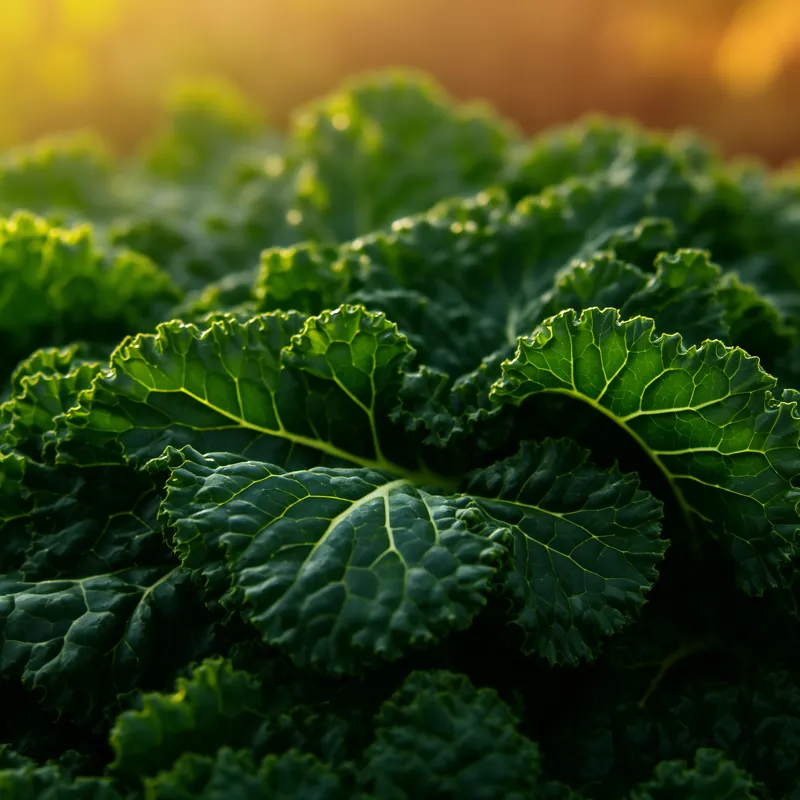 35 kcal
 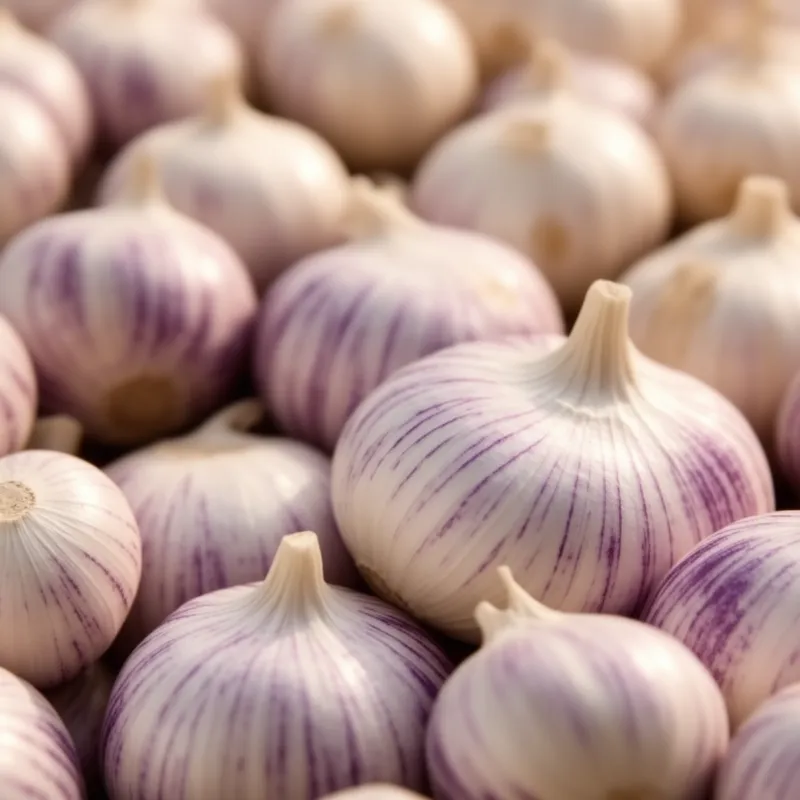 143 kcal