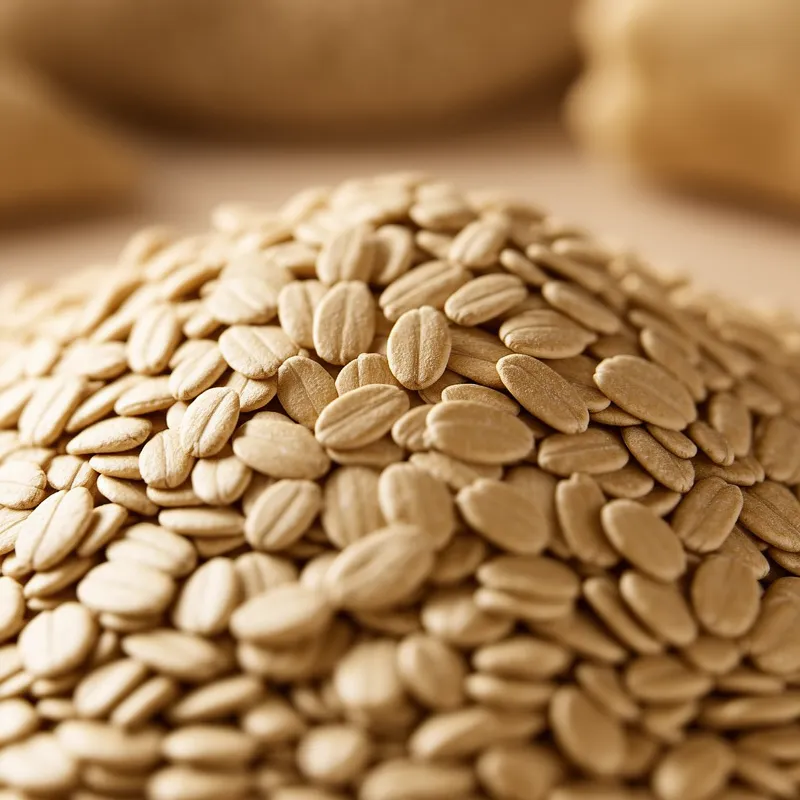
 382 kcal
 P 13.5g C 68.7g F 5.89g
The drink that rewired an entire continent's genetics
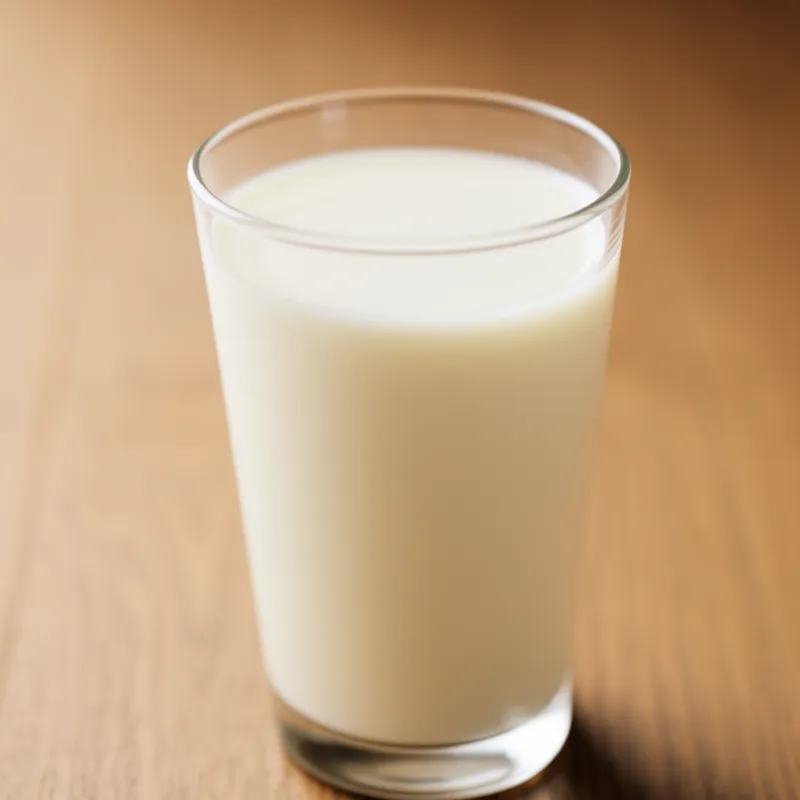
Most mammals, including most humans historically, lose the ability to digest lactose after infancy, but a genetic mutation that arose among early dairy-farming populations in Europe roughly 5,000-10,000 years ago let some adults keep producing lactase into adulthood. That mutation spread so successfully, likely because milk offered a reliable, weather-resistant calorie and nutrient source, that the majority of people of European descent today can digest milk fine as adults, while most of the global population cannot, making lactase persistence one of the most striking examples of recent human evolution driven directly by diet.
Mild discomfort after milk doesn't necessarily mean a true allergy — lactose intolerance varies by degree, and many people tolerate yogurt or cheese (lower in lactose) better than milk itself. Whole milk's fat helps the body absorb its own vitamin D and A, both of which are fat-soluble.
Per 100g — daily values based on a 2,000 calorie diet
CalRay's AI recognizes milk and hundreds of thousands of other foods from a photo. No manual lookup needed.
Milk, whole, 3.25% milkfat contains 60 calories per 100g. A standard serving of 1 cup (249g) provides 149 calories. It is a moderate-calorie food that can fit into most healthy diets.
Milk, whole, 3.25% milkfat provides 3.27g of protein per 100g, which is 7% of the 50g daily recommended value. It is not a primary protein source.
Milk, whole, 3.25% milkfat contains 4.63g of carbohydrates per 100g .
Milk, whole, 3.25% milkfat has 60 kcal per 100g, which is relatively moderate. It can fit into a weight-loss diet as long as portion sizes are managed.
The easiest way to track milk is with CalRay. Simply snap a photo of your meal and the AI will automatically identify the food and calculate calories and macros based on the estimated portion size — no manual lookup required. You can also search by name and adjust gram weight manually.
382 kcal  430 kcal
  97 kcal