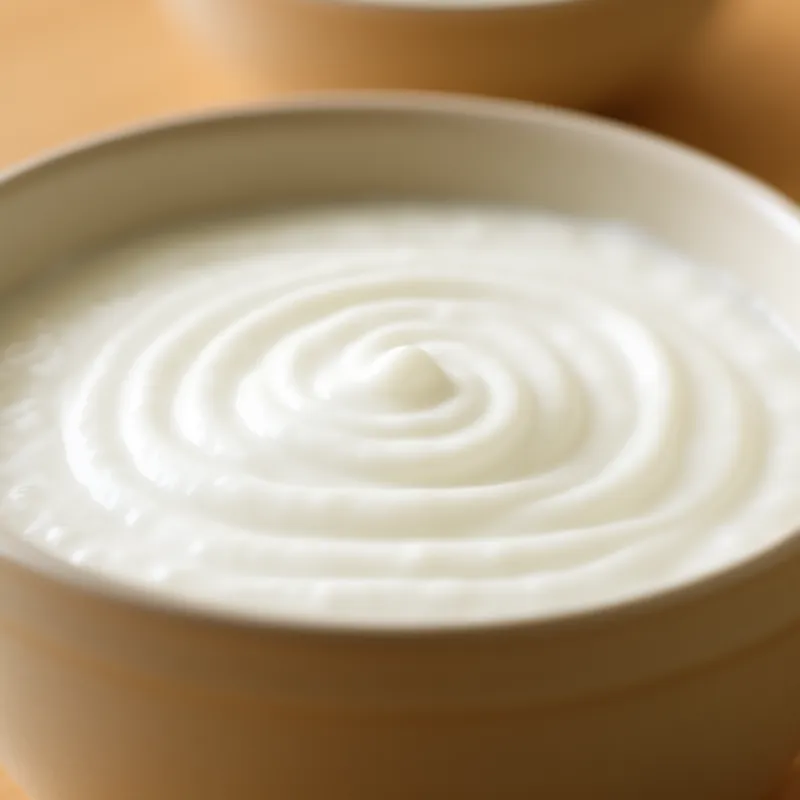
 61 kcal
 P 10.3g C 3.64g F 0.37g
Red seedless grapes owe their vibrant skin color to anthocyanins, pigments that act as a built-in sunscreen for the fruit.
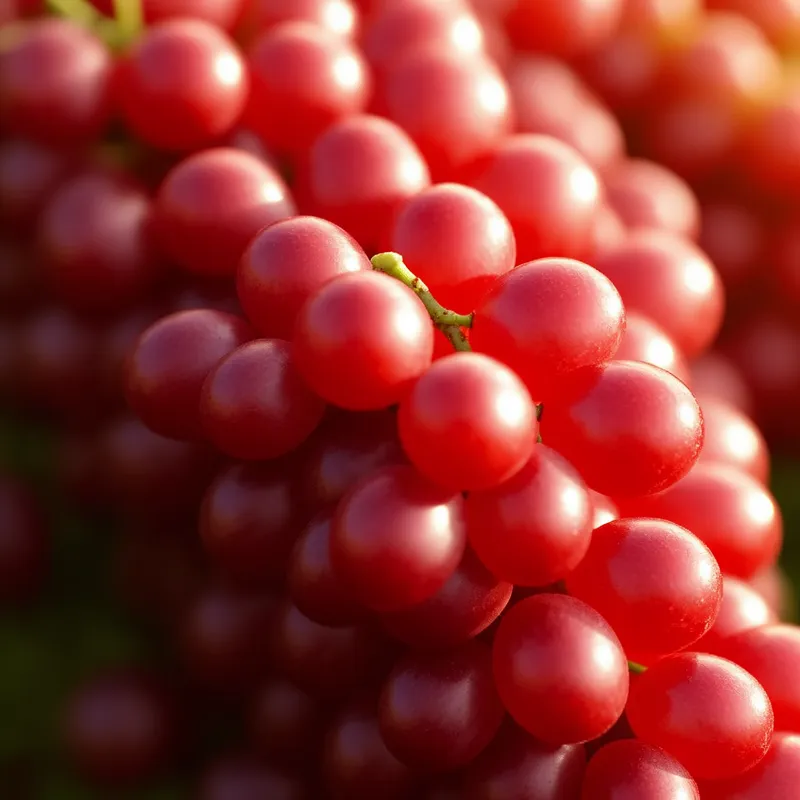
Red seedless grapes, such as the popular Flame Seedless variety, are the product of a natural genetic mutation called stenospermocarpy. In this biological process, pollination and fertilization occur normally, but seed development aborts shortly after, leaving behind only tiny, soft, unnoticeable vestigial traces instead of hard seeds. The vibrant red skin is not just for visual appeal; it is packed with anthocyanins, a class of water-soluble flavonoids that develops as the fruit ripens and is exposed to sunlight. These pigments act as a built-in sunscreen, protecting the grape's cellular DNA from UV radiation damage while simultaneously signaling ripeness to animals for seed dispersal. Because the seeds never fully mature, farmers cannot grow new vines from the grapes themselves. Instead, they must propagate these plants entirely through vegetative cloning, grafting cuttings onto pest-resistant rootstocks to ensure the exact genetic clone survives and produces identical fruit across different growing regions and generations.
Store red seedless grapes unwashed in the refrigerator to prevent mold growth, as moisture accelerates spoilage. Wash them right before eating to maintain their natural protective bloom. For a savory nutritional pairing, toss halved grapes with roasted vegetables or add them to a chicken salad; their natural sugars caramelize when heated, while their high water content helps keep the dish moist. Pairing them with a protein source like Greek yogurt or cottage cheese slows the absorption of their simple carbohydrates, providing a more sustained energy release.
Per 100g — daily values based on a 2,000 calorie diet
CalRay's AI recognizes grapes and hundreds of thousands of other foods from a photo. No manual lookup needed.
Grapes, red, seedless contains 86 calories per 100g. A standard serving of 1 RACC (140g) provides 120 calories. It is a moderate-calorie food that can fit into most healthy diets.
Grapes, red, seedless provides 0.91g of protein per 100g, which is 2% of the 50g daily recommended value. It is not a primary protein source.
Grapes, red, seedless contains 20.2g of carbohydrates per 100g .
Grapes, red, seedless has 86 kcal per 100g, which is relatively moderate. It can fit into a weight-loss diet as long as portion sizes are managed.
The easiest way to track grapes is with CalRay. Simply snap a photo of your meal and the AI will automatically identify the food and calculate calories and macros based on the estimated portion size — no manual lookup required. You can also search by name and adjust gram weight manually.
61 kcal 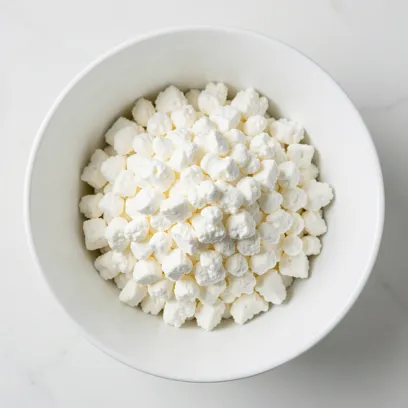 84 kcal
 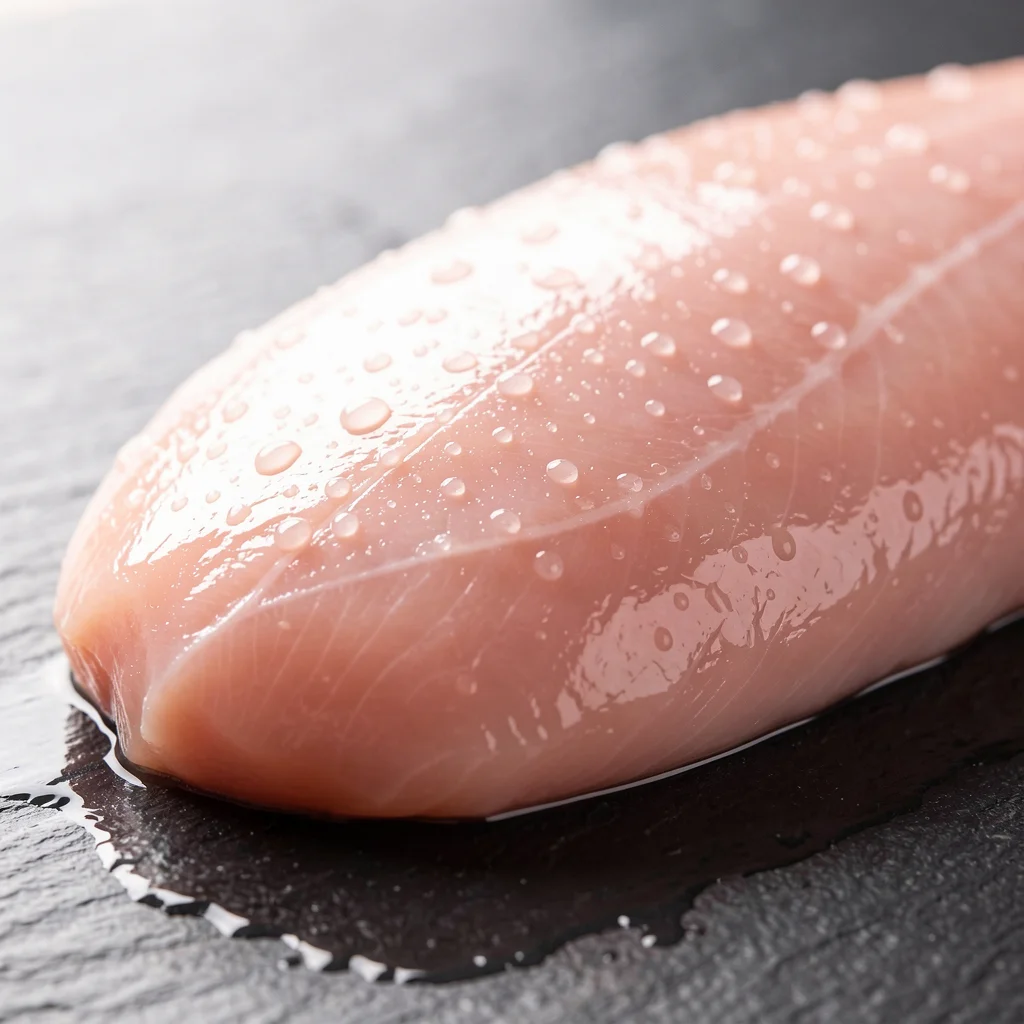 107 kcal