 28 kcal
 P 1.44g C 5.1g F 0.22g
The ribeye's signature richness comes from an anatomical intersection where three distinct muscles meet.
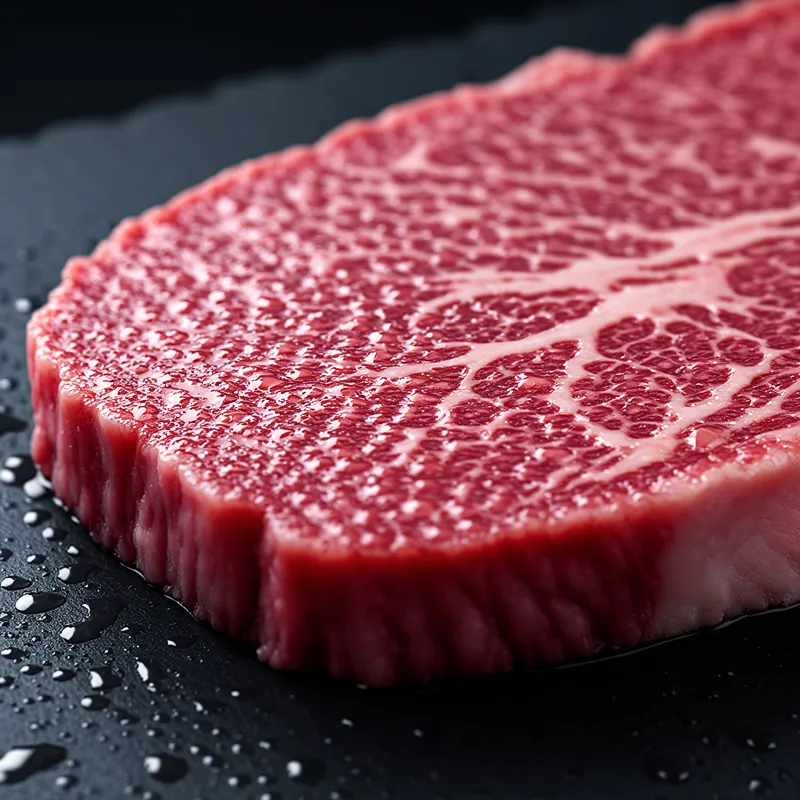
The ribeye steak is carved from the rib primal, specifically spanning ribs six through twelve. What makes this cut exceptionally tender and flavorful is its complex anatomy. A whole ribeye consists of three main muscles: the longissimus dorsi (the eye), the spinalis dorsi (the ribeye cap), and the complexus. The spinalis dorsi, sitting right along the edge, is widely considered the most flavorful piece of meat on the entire animal. This is because it contains a high degree of intramuscular fat, known as marbling. As the steak cooks, this fat renders into the muscle fibers, basting the meat from the inside out. Unlike filet mignon, which is exceptionally lean and relies on its tenderness, the ribeye's appeal lies in this abundant fat matrix. The high fat content also means it carries fat-soluble flavor compounds exceptionally well, which is why a simply seasoned ribeye tastes so complex. When butchered, the presence of the spinalis and the intricate webbing of fat make the ribeye one of the most forgiving cuts to cook, as the rendered fat keeps the meat juicy even if slightly overcooked.
Because ribeye is naturally high in fat, it benefits from a simple seasoning of coarse salt and pepper to let the beef flavor shine. Cook it over high, direct heat—like a screaming hot cast-iron skillet or grill—to develop a Maillard reaction crust while the internal fat renders. Resting the steak for five to ten minutes after cooking is crucial; it allows the muscle fibers to relax and reabsorb the rendered juices. Pair it with fibrous, low-carb vegetables like asparagus or broccoli to balance the meal's overall fat profile.
Per 100g — daily values based on a 2,000 calorie diet
CalRay's AI recognizes beef ribeye and hundreds of thousands of other foods from a photo. No manual lookup needed.
Beef ribeye, steak contains 255 calories per 100g. A standard serving of 1 RACC (114g) provides 291 calories. It is relatively calorie-dense, so portion control is important.
Beef ribeye, steak provides 18.7g of protein per 100g, which is 37% of the 50g daily recommended value. It is a good source of protein.
Beef ribeye, steak contains 0g of carbohydrates per 100g .
Beef ribeye, steak has 255 kcal per 100g, so portions need to be monitored on a weight-loss diet. Use CalRay to track your intake accurately. Its high protein content (18.7g/100g) helps with satiety.
The easiest way to track beef ribeye is with CalRay. Simply snap a photo of your meal and the AI will automatically identify the food and calculate calories and macros based on the estimated portion size — no manual lookup required. You can also search by name and adjust gram weight manually.
28 kcal 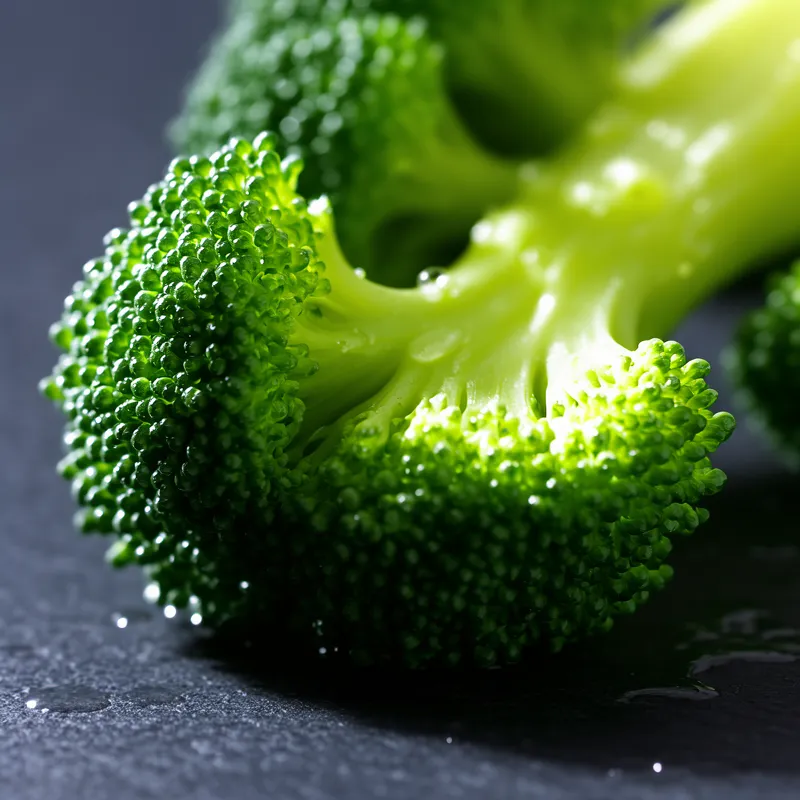 31 kcal
  31 kcal