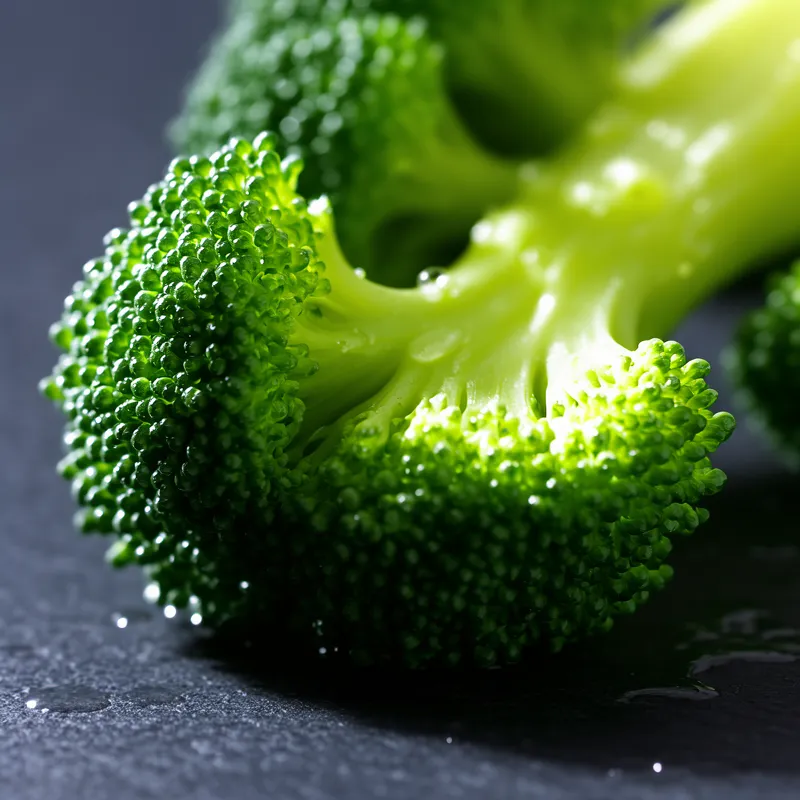
 31 kcal
 P 2.57g C 6.27g F 0.34g
Leaving the skin on a chicken breast adds only about two grams of fat per serving while acting as a natural moisture barrier during cooking.
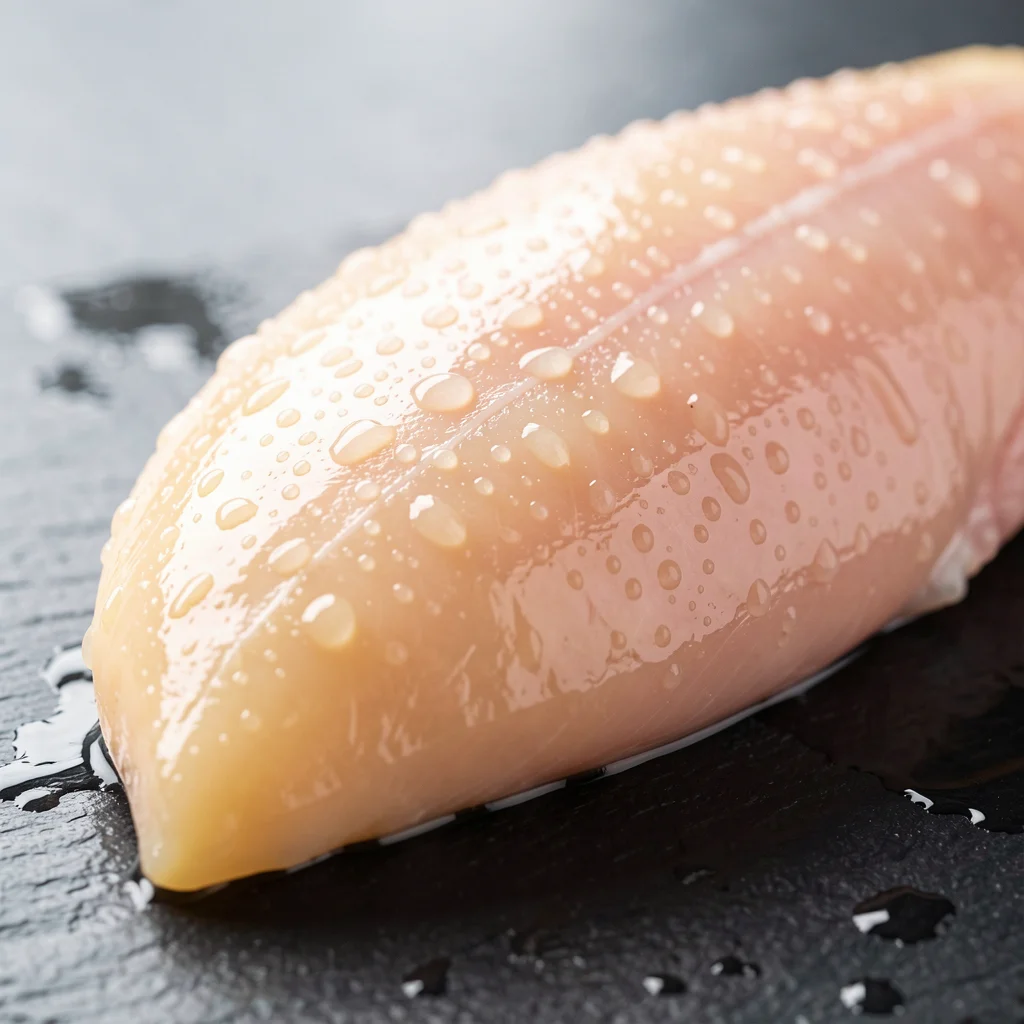
The pale color of a chicken breast comes from its biology as a fast-twitch muscle. Unlike the dark meat of the legs, which chickens use continuously for walking and rely on oxygen-rich myoglobin, the pectoralis major is used only for brief bursts of flight. Because it lacks sustained endurance, it stores energy as glycogen rather than burning fat aerobically, resulting in very low myoglobin and a distinctly white appearance. When left intact, the skin provides a functional culinary barrier. It consists primarily of water, collagen, and a thin layer of subcutaneous fat. As the breast cooks, this collagen denatures and melts into gelatin, while the fat renders. This process effectively bastes the lean breast meat from the outside, preventing the delicate muscle fibers from contracting and squeezing out their internal moisture. Because the breast itself is so low in fat, this external rendering is historically what kept roasted birds palatable before modern brining techniques were widely adopted. The skin essentially sacrifices its own structure to protect the lean meat beneath it from drying out.
To maximize the benefits of the skin, pat it completely dry before cooking and roast or pan-sear it skin-side down to initiate fat rendering. Pair it with high-fiber vegetables like broccoli or kale to balance the meal's macronutrients. Because the skin acts as a moisture barrier, avoid piercing the meat with a fork while cooking, as this allows internal juices to escape. Store raw breast in the coldest part of the refrigerator and use within two days to preserve its delicate protein structure.
Per 100g — daily values based on a 2,000 calorie diet
CalRay's AI recognizes chicken breast and hundreds of thousands of other foods from a photo. No manual lookup needed.
Chicken breast, meat and skin contains 127 calories per 100g. A standard serving of 1 RACC (114g) provides 145 calories. It is a moderate-calorie food that can fit into most healthy diets.
Chicken breast, meat and skin provides 21.4g of protein per 100g, which is 43% of the 50g daily recommended value. It is an excellent source of protein.
Chicken breast, meat and skin contains 0g of carbohydrates per 100g .
Chicken breast, meat and skin has 127 kcal per 100g, which is relatively moderate. It can fit into a weight-loss diet as long as portion sizes are managed. Its high protein content (21.4g/100g) helps with satiety.
The easiest way to track chicken breast is with CalRay. Simply snap a photo of your meal and the AI will automatically identify the food and calculate calories and macros based on the estimated portion size — no manual lookup required. You can also search by name and adjust gram weight manually.
31 kcal 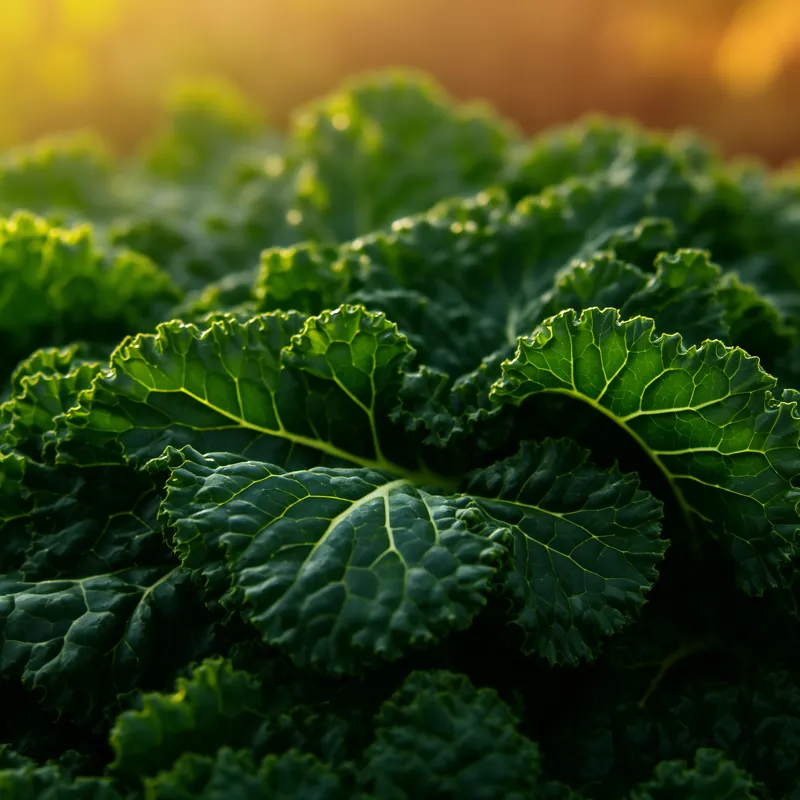 35 kcal
 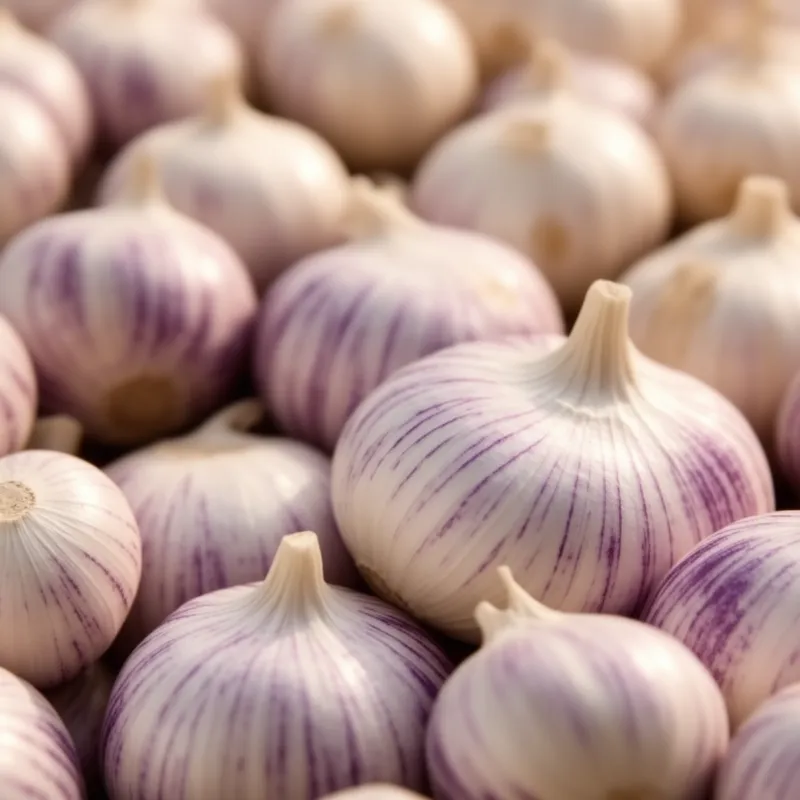 143 kcal