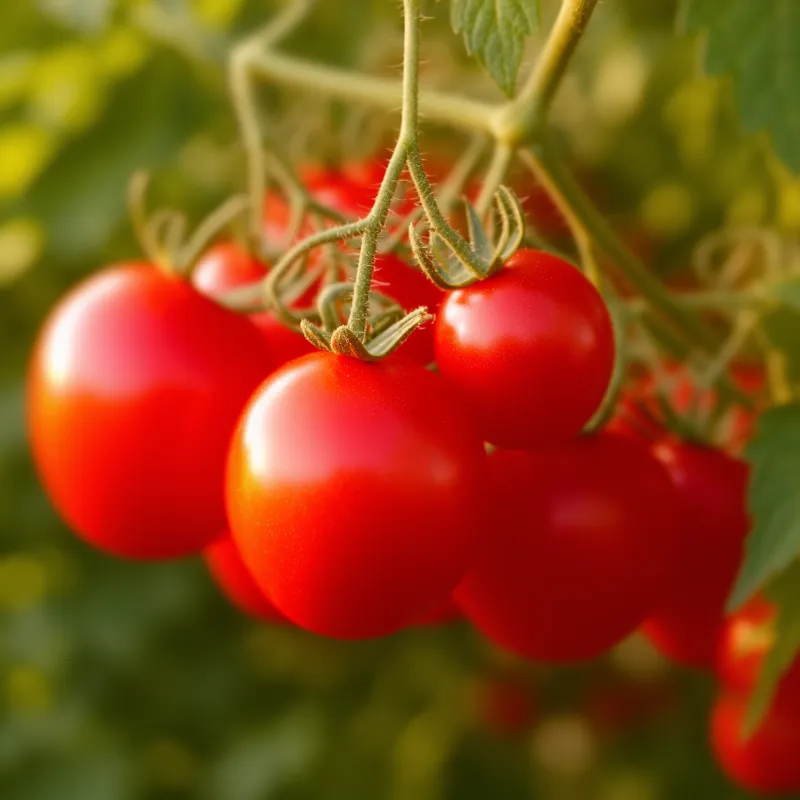
 27 kcal
 P 0.83g C 5.51g F 0.63g
A nutrient-dense block of cheese is essentially controlled microbial spoilage, created by enzymatically collapsing milk's protein structure.

The transformation of liquid milk into solid cheese relies on a fascinating biological hijacking. When rennet—an enzyme complex traditionally extracted from the stomach lining of calves—is added to milk, it targets casein, the primary milk protein. Casein exists in milk as spherical micelles, held together by calcium phosphate and a surface layer of kappa-casein. Rennet's active enzyme, chymosin, acts like molecular scissors, snipping off the kappa-casein hairs. Without this protective layer, the micelles lose their negative charge and repulsion, causing them to rapidly clump together into a solid curd. This curd traps milk fat and expels the watery liquid known as whey, which contains most of the lactose and water-soluble proteins. The curds are then pressed, salted, and left to age. During aging, surviving bacteria and enzymes continue breaking down proteins and fats into flavor compounds like amino acids and fatty acids. This slow autolysis is why an aged cheddar tastes sharp and complex, while a young mozzarella remains mild and elastic. The entire process turns a highly perishable liquid into a shelf-stable food.
Because cheese is calorie-dense and high in sodium, portion control is key; weigh out servings rather than eating directly from the block. Pair it with high-fiber, potassium-rich foods like tomatoes or broccoli to help offset the sodium load and slow fat absorption. Store hard cheeses wrapped in parchment paper inside a loose plastic bag in the refrigerator; this prevents suffocation and mold while allowing the cheese to breathe. Avoid freezing high-moisture cheeses, as ice crystals will destroy their texture.
Per 100g — daily values based on a 2,000 calorie diet
CalRay's AI recognizes cheese and hundreds of thousands of other foods from a photo. No manual lookup needed.
Cheese contains 366 calories per 100g. It is relatively calorie-dense, so portion control is important.
Cheese provides 18g of protein per 100g, which is 36% of the 50g daily recommended value. It is a good source of protein.
Cheese contains 5.27g of carbohydrates per 100g .
Cheese has 366 kcal per 100g, so portions need to be monitored on a weight-loss diet. Use CalRay to track your intake accurately. Its high protein content (18g/100g) helps with satiety.
The easiest way to track cheese is with CalRay. Simply snap a photo of your meal and the AI will automatically identify the food and calculate calories and macros based on the estimated portion size — no manual lookup required. You can also search by name and adjust gram weight manually.
27 kcal 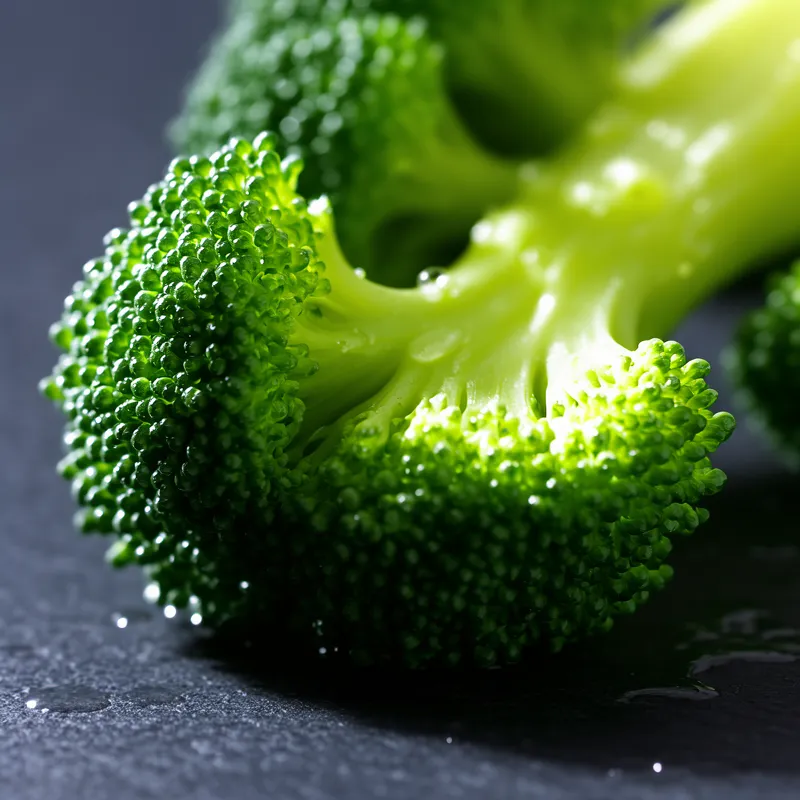 31 kcal
 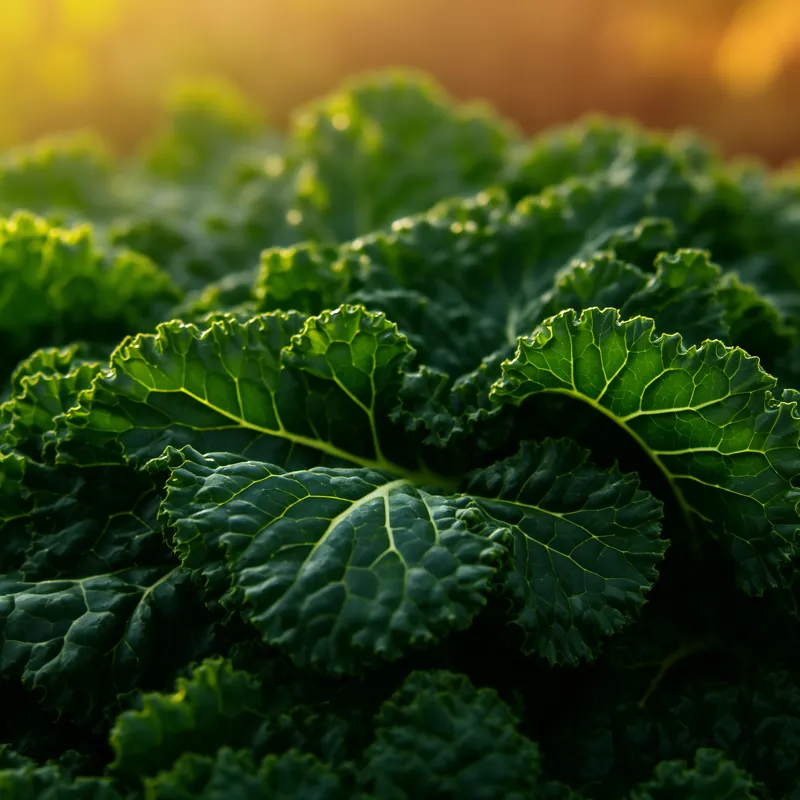 35 kcal